The relationship between grandparents and grandchildren is one of life’s most profound connections. Grandparents offer love and guidance. They also serve as bridges to family history and traditions. Grandchildren bring joy, energy and a renewed sense of purpose.
In many families, things work out such that grandchildren and grandparents are naturally close, emotionally and geographically.
But for other families who are scattered across the country or world, with grandparents living far away from grandchildren, it is harder for this special relationship to take root and thrive.
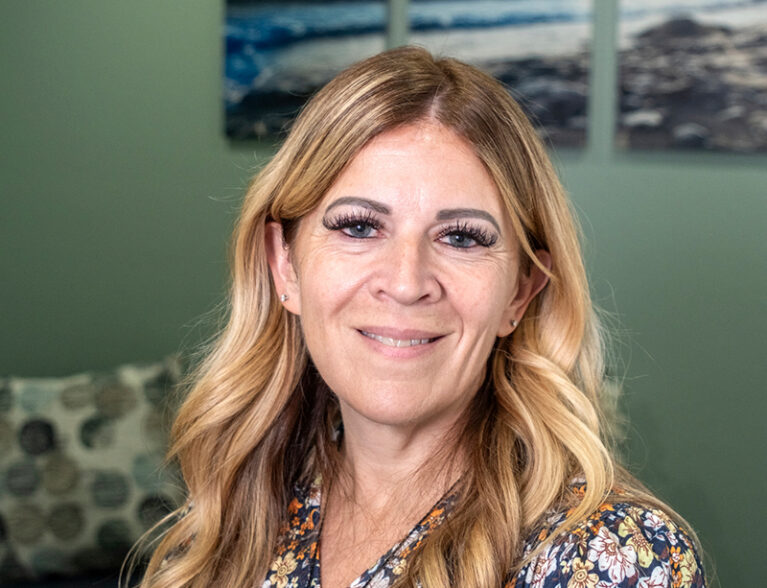
Shawndre M. Leydon, LMHC, LPC, says one of the keys is making sure interaction is age appropriate.
“Conversations on FaceTime are great for young kids. Phone calls can be confusing for them – where is that voice coming from?
“When it comes to older children, keep your expectations realistic. If they’re teenagers, even if you’re both in the same house you’re not going to share in a full conversation,” in many instances.
Experts say you should learn to let go of your hopes for a long conversation with the grands, even if you both enjoy the subject you’re discussing.
“We often assume that a lengthy heart-to-heart is more meaningful than a text, but that’s not always true,” said Francesca Falzarano, assistant professor of gerontology at the University of Southern California.
“Research shows that relationships are built through many small moments of connection,” she said. “The style of communication doesn’t cheapen the interaction.”
The Grandkid Connection, a website that offers information and tips about this important generational relationship, says that for long-distance grandparents, technology offers new ways to stay connected.
Things like video calls, shared online games, and virtual storytelling sessions can bridge the gap, allowing relationships to flourish across the miles.
There are several apps that provide a ready-made framework for conversations and projects that can help break the ice. Examples include apps for reading, scrapbooking and family albums, among others.
“What a great opportunity to turn selfies into a plus,” says Leydon. “Every kid has dozens of them on their phone and grandparents are delighted when they receive one, happy that they were thought of spontaneously.”
Leydon explains that one of the negatives of phone calls is repetitive and boring questions and conversations. “It’s hard to get older kids to engage. Finding something where there’s common interest will help.
“Be specific in your questions and conversations. If you both enjoy sports, ask what he or she thought what was good about last night’s game,” Leydon continues.
“If grandparents don’t live near to – or are unable to spend much time with – their grands, ask their parents for help in identifying areas where shared spaces of common interest can be created. Use technology to help you get creative.
“A usually unmentioned advantage of texts and emails is their benefit to seniors who may have physical limitations,” she says.
“A grandparent who has hearing or memory issues will be able to reread a written message, whereas a phone call is over when both parties hang up. There’s no going back.”
Leydon shares that when she was young her own grandmother gave her a binder with family recipes. “I treasured that,” she says. “We shared recipes, but more importantly, it helped me to learn so much about her through anecdotes and stories that I didn’t know.”
“Parents can gently suggest ways that their children can interact with their grandparents,” says Leydon. “Kids don’t realize what a difficult transition it is for grandparents when these children who used to love spending time with them lose the desire to do so.”
Parents Magazine lists six factors that foster closeness between grandparents and grandchildren:
Physical proximity to grandchildren. If living close to grandchildren isn’t possible, frequent visits are a way to develop physical closeness.
Frequency of contact with grandchildren. Whether in person, over video chat, email, text or good old-fashioned letters, how often grandparents reach out and connect with their grandkids factors into their closeness.
Grandparents’ role in the family. Research shows that regular presence of grandparents results in closeness, rather than specific functions that the grandparent performs. What really matters is showing up for your grandchild.
Family expectations. Families that expect strong relationships between generations are more likely to have them. That’s because children are taught from an early age that family members have obligations to each other. Families with this type of culture are more likely to demonstrate strong grandparent-grandchild bonds than families where individuality and independence top the list of values.
Emotional bonding. Although grandparents and grandchildren often report mutual closeness, grandparents may report a greater degree of closeness than the younger generation.
Grandparents who establish emotional bonds early in their grandchildren’s lives will find that those bonds last. When grandparents and their adult children are close, closeness with grandchildren tends to come more naturally and easily.
Reaching a consensus on values. As children mature, they are more likely to develop their own set of values. A generation gap sometimes develops when younger generations find older generations lacking in social tolerance or seemingly prone to hypocrisy. Grandparents certainly do not need to abandon their values and standards, but a tolerant attitude and willingness to listen to the younger generation can go a long way.
Shawndre M. Leydon, LMHC, LPC, has an MS in clinical psychology from Bridgewater State University and is a board-certified licensed mental health counselor (LMHC) and a licensed professional counselor (LPC). Her practice, A Better Tomorrow Counseling, LLC, has moved from its longtime Vero Beach location to 8505 S. U.S. 1, Port St. Lucie. Call 772-353-2485 to make an appointment or visit abettertomorrowcounseling.net.