We all know how important a healthy diet is. But how do you know if you’re lacking in key nutrients, despite attempts to eat well? What symptoms should you grab your attention and alert you to add different foods or supplements to your diet?
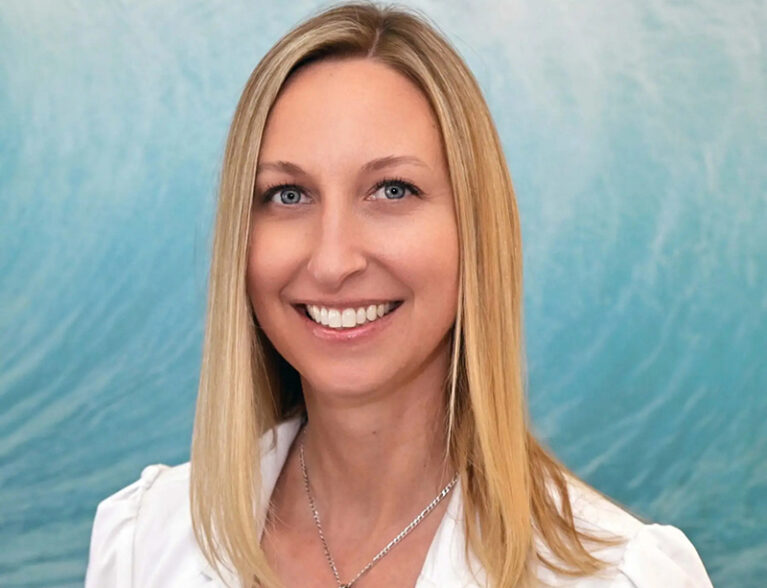
Diane Kingsley, a licensed and registered dietitian in Vero Beach, says, “Most people believe nutrient deficiencies only happen under unusual circumstances, such as extreme diets or rare illnesses.
“In reality, even people who say they ‘eat pretty well’ can experience significant deficiencies in vitamins and minerals that affect physical, mental and emotional well-being.”
Cleveland Clinic explains there are many reasons for nutrient and vitamin deficiencies, including genetic diseases, autoimmune disorders, vegetarian or vegan diets, lack of exposure to the sun, medications and weight-loss surgery, among others.
“Calcium, vitamin D, potassium, iron, vitamin B12, folate and magnesium are among the most common nutrient deficiencies,” says Kingsley. “Because each plays a unique role in the body, symptoms can look very different from person to person.”
“Calcium deficiency can reveal itself through muscle cramps, tingling in fingers, brittle nails, irregular heartbeat, anxiety, depression or restlessness,” Kingsley says. “Over time, it can weaken bones and increase risk of fractures.
“Calcium-rich foods include dairy products, fortified plant milks, tofu and leafy greens.
Recommended daily intake is 1,000 mg for men and 1,200 mg for women.”
Mayo Clinic says children may not reach their full potential adult height and adults may have low bone mass – a risk factor for osteoporosis – without enough calcium in their diets.
Vitamin D deficiency is more common than many people think, Kingsley says. “Low levels can trigger fatigue, bone pain, depressed mood and weakened immunity. If ignored, it can lead to long-term bone loss and increased inflammation and may worsen symptoms of depression.
Vitamin D plays a bigger role in weight and metabolic health than most people realize.”
“Fatty fish, fortified milk and egg yolks contain vitamin D, but sunlight is the primary natural source,” says Kingsley.
“Most needs can be met with 10 to 30 minutes of midday sun a few times weekly. But you may need a supplement even if you get some sun, since factors like sunscreen, age, season and higher body fat make vitamin D harder to produce.
“Most adults need 600 to 800 IU daily, though some need 1,000 to 5,000 IU to correct a deficiency.”
Johns Hopkins University reports that sufficient Vitamin D is essential for overall health and wellbeing.
“Potassium deficiency tends to show up as constipation, muscle cramps, weakness or heart palpitations,” explains Kingsley.
“Because potassium regulates electrical activity in the heart, prolonged deficiency can elevate blood pressure and increase risk of arrhythmias. Adults generally need 2,600 to 3,400 mg daily, found in food like bananas, potatoes, beans, avocados and spinach.
“Since potassium supplements have a powerful effect on the heart, those with kidney disease, on certain diuretics, ACE inhibitors, and some heart medications should avoid potassium supplementation unless prescribed by their doctor,” Kingsley says. “Food sources are the safest and most effective way to correct mild to moderate potassium deficiency.”
Healthline, the digital health platform, says most U.S. adults don’t meet daily potassium needs due to our industrialized diet, which favors processed foods over whole plant foods that are high in potassium.
“Iron deficiency remains one of the most common nutrient problems worldwide,” says Kingsley. “Symptoms include exhaustion, dizziness, pale skin, hair thinning, poor appetite and restless legs.
“Over time, low iron reduces oxygen delivery throughout the body and may significantly impair immune function and cognition. Reliable sources of iron include red meat, poultry, pork, lamb, organ meat, fish, beans, lentils and dark green, leafy vegetables. Combining these foods with vitamin C can increase absorption.
“The best supplement for maximum absorption is iron bisglycinate. Recommended dose is 25 to 65 mg of elemental iron daily.”
Mayo Clinic says that without iron, the body can’t make enough hemoglobin, the part of red blood cells that carry oxygen.
“Vitamin B12 deficiency can cause numbness or tingling in hands or feet, low energy, mood changes or memory difficulties,” says Kingsley. “Longtime deficiency can lead to irreversible nerve damage.
“Because B12 is found primarily in animal products such as meat, fish, dairy and eggs, vegetarians, vegans and seniors with reduced stomach acid are at higher risk of developing deficiencies.
“The daily requirement is 2.4 mcg a day. A deficient person may benefit from 500 to 1,000 mcg daily or even weekly injections.”
WebMD cautions that as you get older, your body may not absorb B12 as easily as it once did. If untreated, low levels of B12 could lead to anemia, nerve damage, moodiness and other problems. Ask your doctor for a blood test if you experience symptoms.
“Folate, also known as vitamin B9, supports cell repair, mood and red blood cell formation,” Kingsley says. “Symptoms of deficiency include fatigue, mouth sores, poor concentration and irritability.
“Untreated folate deficiency can cause megaloblastic anemia and elevate homocysteine, which impacts heart and brain health. Leafy greens, beans, lentils, citrus fruits, avocados and fortified grains are excellent sources.
“Adults need about 400 mcg daily, with pregnant women requiring 600 mcg,” she concludes.
Cleveland Clinic explains that folate deficiency occurs when your blood lacks the amount of vitamin B9 needed to function properly.
Your body can’t store large amounts of natural folate, but it easily absorbs folic acid. As a result, it’s added to foods like rice, bread, pasta and some cereals and is also available as a dietary supplement.
Magnesium is called the relaxation mineral. “Low magnesium can cause muscle cramps, headaches, constipation, anxiety, difficulty sleeping and heart palpitations. Over time, magnesium deficiency contributes to inflammation, poor stress tolerance and nervous system dysregulation.
“Nuts, seeds, beans, whole grains, leafy greens and dark chocolate supply magnesium. The recommended amount is 310 to 420 mg daily,” Kingsley says. “Magnesium glycinate is an excellent supplement for sleep and anxiety. Magnesium citrate helps support healthy digestion and can alleviate constipation.”
Harvard Medical School’s newsletter says the human body needs magnesium to function properly. It’s important for a healthy cardiovascular system, nerves, muscles and bones. It also helps regulate the body’s calcium and blood sugar levels. And that’s just the short list – more than 300 chemical reactions in the body rely, at least partly, on magnesium.
Kingsley says, “Food is ideal to meet nutrient needs, but supplements are often essential to correct deficiencies. They deliver therapeutic doses that food alone can’t reliably provide. Once levels are restored, the right foods become the most effective long-term maintenance plan.
“If you’re experiencing fatigue, mood changes, muscle cramps, brain fog, hair loss or other unexplained physical symptoms, perhaps your body is signaling that something is missing.
“With the right combination of food, lifestyle changes and evidence-based supplementation, most nutrient deficiencies can be corrected effectively,” says Kingsley. “And when they are, the improvement in energy, mood, sleep and overall vitality is often life changing.”
Diane Kingsley, RD LDN LMT, is a licensed and registered dietitian and licensed massage therapist. She practices evidence-based medical nutrition therapy, focusing on whole body healing. She graduated from the Institute for Integrative Nutrition in New York, receiving a certification as a holistic health counselor. She also has a Bachelor of Nutrition in Dietetics. Her business, Simple Health Options/Diane Kingsley RD LDN LMT and Associates, is located at 787 37th St., Suite 120, Vero Beach. Call 772-538-2960 for an appointment.