Starbucks Caffe Latte Protein Drink with Coffee. Skippy Peanut Butter with added protein. Clear Protein Water.
We’re in a protein craze that’s hard to ignore. Every aisle in the supermarket is overflowing with protein-enhanced products. But how much is too much. Do we really need it all?
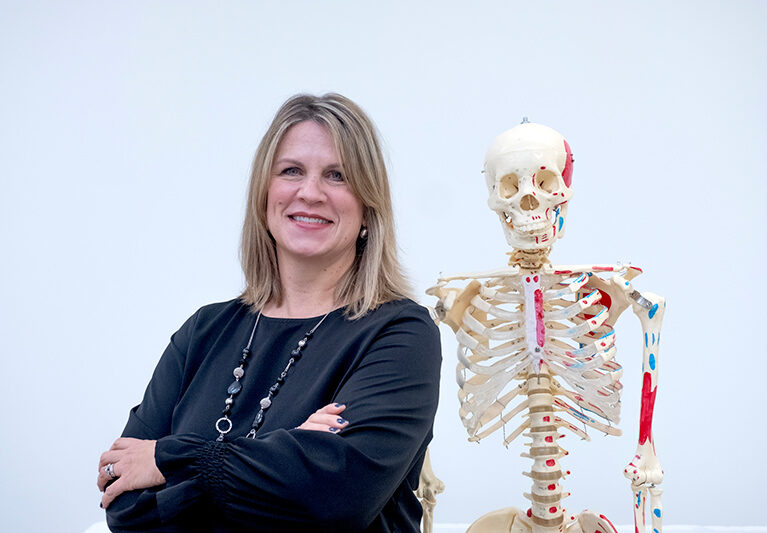
Professor Stacy Ferrari, who teaches at Keiser University Dietetics and Nutrition Department at the St. Lucie campus, says that protein fervor has exploded out of control.
“In the past, consuming large amounts of protein was a gym-related mindset, something the young Arnold Schwrzenegger used in body building,” she says.
“But now social media and celebrity influencers have morphed it into a ‘the-more-the-better’ phenomenon, and clever marketing is helping fan the flame.”
Mayo Clinic says that protein should account for 10 percent to 35 percent of your calories. If your daily needs are 2,000 calories, that’s 200 to 700 calories from protein or 50 to 175 grams of protein.
The recommended dietary allowance to prevent deficiency for an average sedentary adult who weighs 165 pounds is 60 grams of protein per day.
That changes for older folks. If you’re between the ages of 40 and 50, sarcopenia – losing muscle mass as you age – begins to set in. To prevent this and to maintain independence and quality of life, a 165-pound person needs 75 to 90 grams of protein per day.
The craze for more protein is driven in part by industry trends. In February, Harvard University’s T.H. Chan School of Public Health noted that, over the past decade, food companies have quadrupled the amount of high-protein products they sell worldwide – not because people need more protein, but because it’s a moneymaker.
According to recent data from the Centers for Disease Control and Prevention, U.S. adults are eating an average of 2.9 ounces of protein per day – roughly 20 percent more than is recommended.
Ferrari says that the daily recommendations are aimed at helping people maintain muscle and avoid chronic disease, and that recommendations vary from one demographic to another.
“Some people benefit from higher protein intake – including pregnant, nursing or menopausal women – as well as aging seniors, as we discussed above,” she says.
Verywell Health, an online health information website, shares six signs that you’re overloading on protein:
- You have bad breath: Stinky breath can be a sign that you’re in ketosis – when your body burns fat instead of glucose as its main energy source. Ketosis is associated with a high-protein diet, including the Keto diet.
- You’re dehydrated: If you start eating more protein, you’ll probably start urinating more often because your kidneys are working harder to metabolize the excess nutrient. All that urinating can lead to dehydration.
- You’re gaining excess weight: Eating more protein than your body can handle can lead to weight gain. More protein usually means more calories, and the protein source you choose may be converted by your body into sugar that gets stored as fat.
- You notice more GI discomfort: Gastrointestinal symptoms are pretty common if you’re eating excess protein. A diet high in protein (especially animal protein) and low in fiber can lead to constipation, nausea, diarrhea and stomach pain.
- Stress on your heart: Protein can have positive and negative effects on your cardiovascular system depending on the types of protein you eat. Fish, seafood and plant-based protein can benefit your heart health, while meat can increase your risk of heart disease.
- Abnormal kidney and liver function: If you have kidney or liver disease, the process of breaking down excess protein can be too much work. Eating too much protein if you have kidney disease can even contribute to renal failure.
Ferrari says many of the most popular recent diets push a high-protein array of food. “Paleo, keto, low-carb diets all helped get the high protein craze started.”
The irony is that people can add more protein to their diets without any of the potential negatives if they do one thing, says Ferrari. “When people think protein, they think meat and poultry. Most don’t think about plant sources like legumes, lentils, nuts and edamame.
“None of this would be an issue if people realized that the more plant-based protein, the better,” Ferrari says.
Professor Stacy Ferrari has a Master of Public Health in Nutrition degree from the University of North Carolina, Chapel Hill. She is a registered dietitian and nutritionist with the Academy of Nutrition and Dietetics, and a licensed dietitian and nutritionist in the State of Florida. She is on staff at Keiser University’s Port St. Lucie campus, where she teaches Advanced Nutrition, Medical Nutrition Therapy, and Counseling and Communication.