The glutes are the largest muscle in our bodies, and a well-toned posterior is about much more than looking good in jeans.
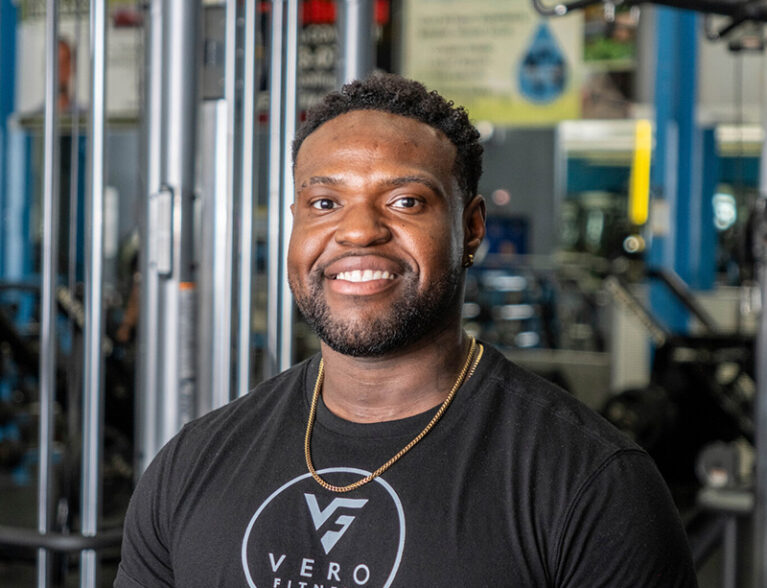
Ashton Hoilett, an ISSA-certified personal trainer who works at Vero Fitness, says the glutes create a base of support for many body movements.
“Whether it’s being able to get in and out of the car or on and off the toilet, you’re going to lose a lot of mobility as you age if you don’t strengthen your glutes.”
Hoilett explains, “The glutes are actually made up of three muscles. The biggest one is the gluteus maximus, which plays a significant role in facilitating core stability and hip extension and in stabilizing the pelvis.
“The gluteus medius (the medium-sized one) and the gluteus minimus (the smallest one) are on the sides of your glutes and help move and rotate your thighs.”
Hoilett says, “Strong glutes are important for your overall health. Because they help with your posture and connect to your lower back muscles, strong glutes may help prevent back and neck pain. They help you stay balanced and stable, so they reduce the risk of falls.
“When your glutes are strong, all of your muscles work together as they should. If your glutes are weak, the forces on your body aren’t balanced when you walk, stand or run. Other parts of your body might have to compensate, and you might develop hip, knee or foot pain.”
Cleveland Clinic says that the glute muscles work together to help you move safely. When you’re moving, they:
- Support your body weight.
- Stabilize your pelvis and keep it from tilting too much when you shift weight from one leg to the other.
- Stabilize your hip joints and hold their bones together when your thighs move.
Long periods of sitting are bad for your whole body, but they can weaken your glutes in particular, leading to what’s called dead butt syndrome, explains Hoilett.
“After age 30, you lose 3-to-8 percent of muscle in your buttocks every year. I can’t stress enough how important it is to keep moving. Get out of that chair. Climb stairs if you’re able.
“Walking out of doors is a great way to strengthen your glutes, even though Florida’s flat terrain doesn’t give you the workout that hillier parts of the country do. By far, the most important single thing you can do, however, is strength training.
“Effective exercises include squats and pushing through your heels,” says Hoilett. “There are machines in any gym that will really help. Reclining leg presses are great – in fact, exercises in which you keep your heels higher than your body are preferable.
“Hip abduction and adduction machines are easy to use and very helpful.”
Healthline.com lists 13 exercises that help you strengthen the glutes. Among them are:
- Jumping squats
- Walking lunge with weights
- Single-leg deadlift
- Clamshell
- Hip thrusts
Dr. Larry Balle, an orthopedic sports medicine specialist at Houston Methodist Hospital, outlines what happens to your body if your glutes are weak.
He says that when muscles are weak, they tell us. People often experience tightness, limited range of motion and pain in the areas where they’re weak. Since the glutes support the back, hip and pelvis, symptoms can often appear in these areas.
He says that functional pain is when you’re not having pain from a structural issue, you’re having pain because you can’t use the right muscles with movement, and that makes other things hurt.
Often, with glute weakness, Dr. Balle says that the tell-tale sign is hip pain.
Everyday Health, an online publisher of evidence-based health information, says you’ll begin to see some results from your glute training relatively quickly. If you’re consistent with your workouts, you can start to see results when it comes to more toned glutes and thighs in about a month.
However, modest muscle growth requires six to eight weeks of consistent work. In six months to a year, you can build and maintain increased muscle and strength in your butt and thighs.
Ashton Hoilett is a personal trainer at Vero Fitness certified through ISSA (International Sports Sciences Association). He is a former Fort Pierce police officer. Vero Fitness is located at 1060 6th Ave., Vero Beach. You can contact Hoilett at [email protected].