Do you know how to practice self-care? Selfcare is any activity that helps you increase your mental and physical wellbeing, including by reducing your anxiety.
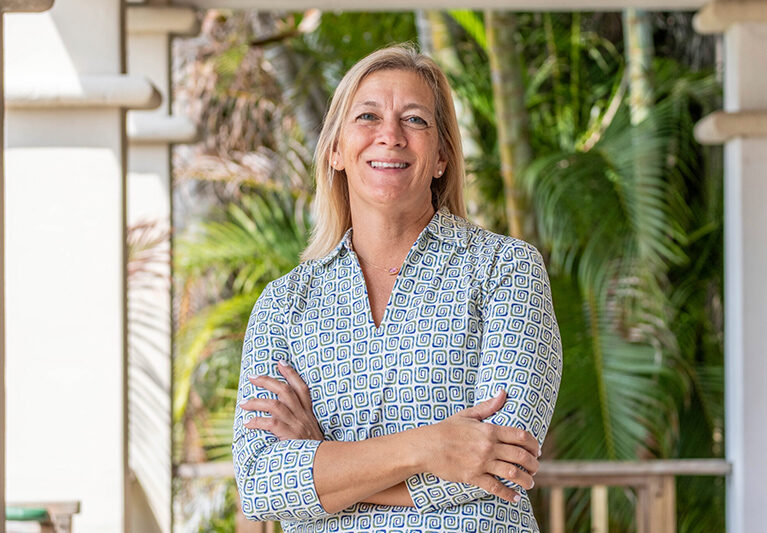
Gwen Zorc, M.Ed., LMHC, a therapist with an office in Vero Beach, says that anxiety disorders are the single most commonly reported mental health issue worldwide.
Anxiety can range from persistent uneasiness and worry to a serious clinical condition,
Mayo Clinic says people with serious anxiety disorders frequently have intense, excessive, persistent and typically unrealistic worry and fear about everyday situations. Often, anxiety disorders involve repeated episodes of sudden feelings of intense anxiety and fear or terror that reach a peak within minutes – panic attacks.
Such feelings often interfere with daily activities, feel uncontrollable, are out of proportion to the actual danger and can last a long time. You may avoid places or situations where you have felt anxious to hide from these feelings. Symptoms may start during childhood or the teen years and continue into adulthood.
Fortunately, anxiety is fairly easy to relieve in most cases.
“The good news is that everyone can benefit from learning how to practice self-care,” Zorc says. “It’s highly personalized and can be tailored to fit your personality, lifestyle and temperament.
And you can learn to do it yourself, [often without] the help of a mental health professional.”
For general selfcare Zorc recommends that people follow a 10-step wellness program that focuses on making healthy life choices easy. “This program will help you learn to take care of your own mental, emotional and physical health.
“It will help you develop your own therapeutic plan to reduce anxiety, stress and depression, as well as increasing positive feelings of wellbeing.”
1. Eat and drink healthy. Eat a balanced diet regularly. Don’t eat or drink alcohol to help cope.
2. Get outside in nature. Research shows that being in a natural setting reduces stress and anxiety.
3. Embrace gratitude. It’s impossible to be thankful and angry at the same time. Verbalize what you’re thankful for.
4. Be creative. Use your hands, minds and creativity to look at things in new ways and generate solutions.
5. Stay connected. Our basic needs include love and emotional connection. Stay in touch with friends and family.
6. Relax. Breathe in and out with deep breaths. Meditate. Rest. Engage in a favorite hobby.
7. Balance sleep. Make sure you’re getting enough hours every day.
8. Help others. Get involved in a community project. Help a friend or family member.
9. Love yourself. Encourage rather than criticize yourself. Keep a positive attitude on bad days. Increase your spirituality.
10. Develop acceptance. There are some situations we can’t change. Learn what they are and accept them.
“Some anxiety is good for you,” explains Zorc. “It’s a natural response to perceived change and can keep us safe.”
It is part of a built-in system designed to save you in dangerous situations. And we need that to stay alive. A little anxiety can keep you alert and hypervigilant. But chronic anxiety harms your body and destroys your piece of mind.
Cleveland Clinic says that when your stress response is working as nature intended, anxiety helps protect you from danger. But when your stress hormones and mental habits take over, they get your body ready to fight, run away or hide, even when there is no real danger.
Zorc cautions that it’s important to learn to observe and calm your thoughts. “In today’s world, we’ve gotten somewhat imprecise about how we use our words. For instance, we say ‘always’ even if it’s a one-time event.”
The statement, “This always happens to me, usually is not true.” Use reality-checking thoughts to counter the bad habit of absolutist or awfulized thinking.
Stop and remind yourself that the unpleasant event, in fact, does not always happen.
Johns Hopkins University says there are simple techniques you can use when you are feeling anxious or fearful that will help you “ground yourself” and feel safer. Examples include:
- Use your senses. Look around the space you’re in, and find five things you can see, four things you can hear, three things you can touch, and two things you can smell. This takes your attention away from the fearful feeling.
- Count. Focus on counting how many objects in a room are a certain color, repeat this with another color until you feel calmer.
- Keep a sensory fidget. Keep any small object that you can bring out and touch when you are feeling overwhelmed. Focus on its texture while you breathe.
- Breathe. Intentionally focus on your breath and allow your exhalations to be longer than your inhalations. This will relax you. Because of the way your nervous system is wired, controlled breathing has a direct, immediate, powerful effect on your emotions. There are numerous specific patterns of breathing, such as 4-7-8 breathing, which are proven to relieve anxiety to some extent in the moment and to have a powerful cumulative antianxiety effect if practiced several times daily.
- Belly Breathing. Place one hand on your belly and one hand on your chest and take a long exhale, emptying out all the air. As you inhale, allow your belly and ribs to expand, while lengthening your spine. If you are frightened, anxious or otherwise upset, taking just 10 deep, slow breaths will make you feel much better. It can be hard to concentrate and keep your breathing slow, regular and deep when you are upset, but with some determination and practice you will gain that ability and have a free, always available, almost magical tool to make yourself feel better.
- Practice self-compassion and use affirmations. Be understanding and gentle with yourself when things are not going right or don’t meet your expectations. Remind yourself of your good qualities and everything you have achieved.
- Compartmentalize stressors. List the things you are stressed about into either “things I can control” or “things I can’t control.”
- Seek support. If you need a little extra help to find and build up coping strategies that work, seek guidance from a mental health professional.
Although everyone can learn self-care, sometimes it isn’t enough. How do you know if you need professional help?
Zorc says there are some red flags. “Has your anxiety level increased for a period of two weeks, and you’ve been unable to control it? Is your anxiety interfering with your work and daily habits?
“Are your responses disproportionate to an event? Are you thinking about suicide or hurting yourself? If so, it’s definitely time to seek help.”
“It’s important to learn to love yourself, not to criticize yourself,” says Zorc. “Take ownership of the issues that bother you and learn what positive steps you can take to prevent or alleviate them.”
Gwen Zorc, M.Ed., LMHC, is a Vero Beach native. She received her master’s degree in Counselor Education from Florida Atlantic University. Her practice, Splash Counseling, is located at 2770 Indian River Blvd., Suite 400-U, Vero Beach. She is accepting new patients. Call 772 879-5585 or visit splashcounseling.com.