After a somewhat checkered introduction in the early 1970s, total ankle replacement (TAR) surgery has emerged as an effective solution for individuals suffering from debilitating arthritis as well as other ankle problems.
More than 70 million people globally have ankle osteoarthritis.
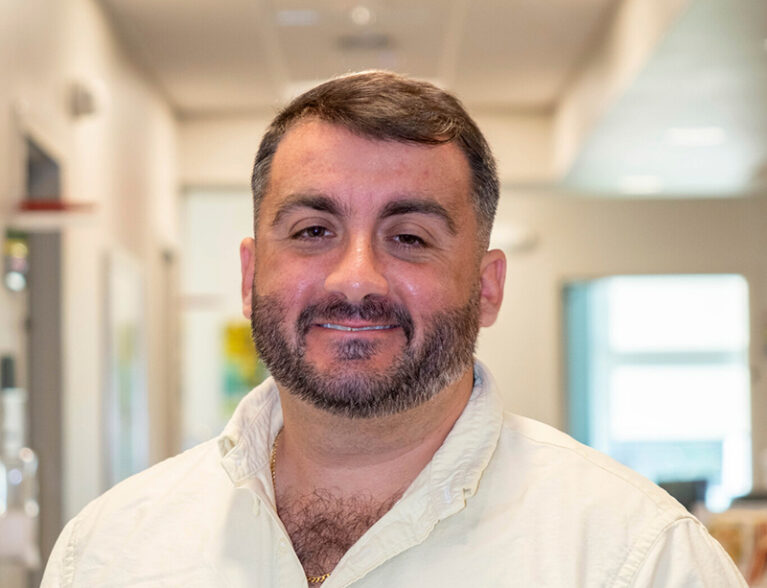
Dr. Jared Scott, D.O., an orthopedic surgeon with Orlando Health in Melbourne specializing in minimally invasive foot and ankle surgery, says that while there were initial complications with the procedure, the materials used in the replacements and the surgical techniques have gotten much better.
The National Institutes of Health reports that the number of procedures performed annually in the U.S. has grown steadily, showing an increase of 130 percent between 2009 and 2019.
“This surgery is very popular and well-tolerated,” Dr. Scott says. “The longevity of implants is very good.”
Adds Dr. Norman Turner III of Mayo Clinic in Rochester, Minnesota, “Total ankle replacement continues to evolve with new porous metals on the implants and designs to increase bone growth.” Bone growth is the formation of bone tissue within the surface of an implant, which is essential for the anchoring and success of the artificial joint.
What actually happens during a TAR? The Hospital for Special Surgery explains there are three separate bones that form the ankle joint:
- tibia (the larger bone in your leg)
- fibula (the smaller bone on the outside of your leg)
- talus (the bone that connects your leg to your foot)
Cartilage covers the ends of these bones to allow them to glide together smoothly. If the cartilage becomes damaged or wears down due to injury or disease, the bone surfaces will rub each other during movement, causing pain in the ankle. Over time, this can wear away the bone surfaces, causing bone spurs and stiffness in the joint.
Dr. Scott explains, “Many people who develop arthritis in the ankle have a long history of sprains, and possibly even a fracture. A lot of them were athletic in their younger days and got injured playing sports.”
The actual surgery takes about two hours to perform, according to Mayo Clinic. The ends of the damaged bones are removed and replaced with parts made of titanium and plastic.
The post-operative period is very important, says Dr. Scott. “Because of how the ankle is structured, it’s important to follow your medical team’s instructions.
“Patients don’t start to walk right away, like those who have had hip or knee replacements. Most are in a splint or cast from two to six weeks to allow skin and tissue to heal.”
Very Well Health, an online health information resource, discussed the importance of physical therapy (PT) in the recovery process. PT can last for five months or more. Common focuses include:
- Controlling pain and swelling
- Restoring range of motion
- Work on gait training and balance
- Building strength
“We’re trying to get the patient back to having as much motion and movement as he or she had before surgery,” Dr. Scott says.
Are you a good candidate for TAR? “If you’re in your late 50s, have an active lifestyle and prefer low impact activities, you fit the profile,” he says.
Mayo Clinic adds that you should:
- Not smoke
- Have a healthy weight
- Have no nerve damage in your feet, such as that caused by diabetes
- Have healthy ligaments and bones around the ankle
Dr. Scott explains that for some patients, a total ankle replacement is only a part of the problem. “There are things that can be wrong with your foot that need to be addressed and resolved before we tackle your ankle.
“Foot deformities, flat feet and extremely high arches are just a few of the things that can affect the success of your TAR. You need a thorough and professional medical team looking at your whole health profile before deciding on the most appropriate course of action for you.”
Jared Scott, D.O., is an orthopedic surgeon at Orlando Health Jewett Orthopedic Institute in Melbourne. Dr. Scott graduated cum laude with a BS in biology from UCF and received his osteopathic medicine degree from Oklahoma State University. He completed an orthopedic surgery residency at Oklahoma State University Medical Center in Tulsa and an orthopedic foot and ankle care fellowship at Brigham and Women’s Hospital in Boston. His office is located at 5565 North Wickham Road, Melbourne. You can call 407-643-1234 for an appointment.