It is difficult to imagine that McKee Botanical Garden, now one of Indian River County’s most spectacular destinations, was once nearly lost to development. In 1976, the former 80-acre McKee Jungle Gardens, developed by Arthur G. McKee and Waldo E. Sexton, closed its gates. By 1994, a condominium development had consumed all but 18 acres of the historic property.
Fortunately, a resolute group of residents rallied to save that irreplaceable piece of Florida history, launching a grassroots campaign to purchase the remaining land.
With numerous subsequent investments and the perseverance of skilled architects, gardeners, staff and volunteers, the property was reopened in November 2001. Dedicated as McKee Botanical Garden, it marked the beginning of a new chapter for the cherished local landmark.
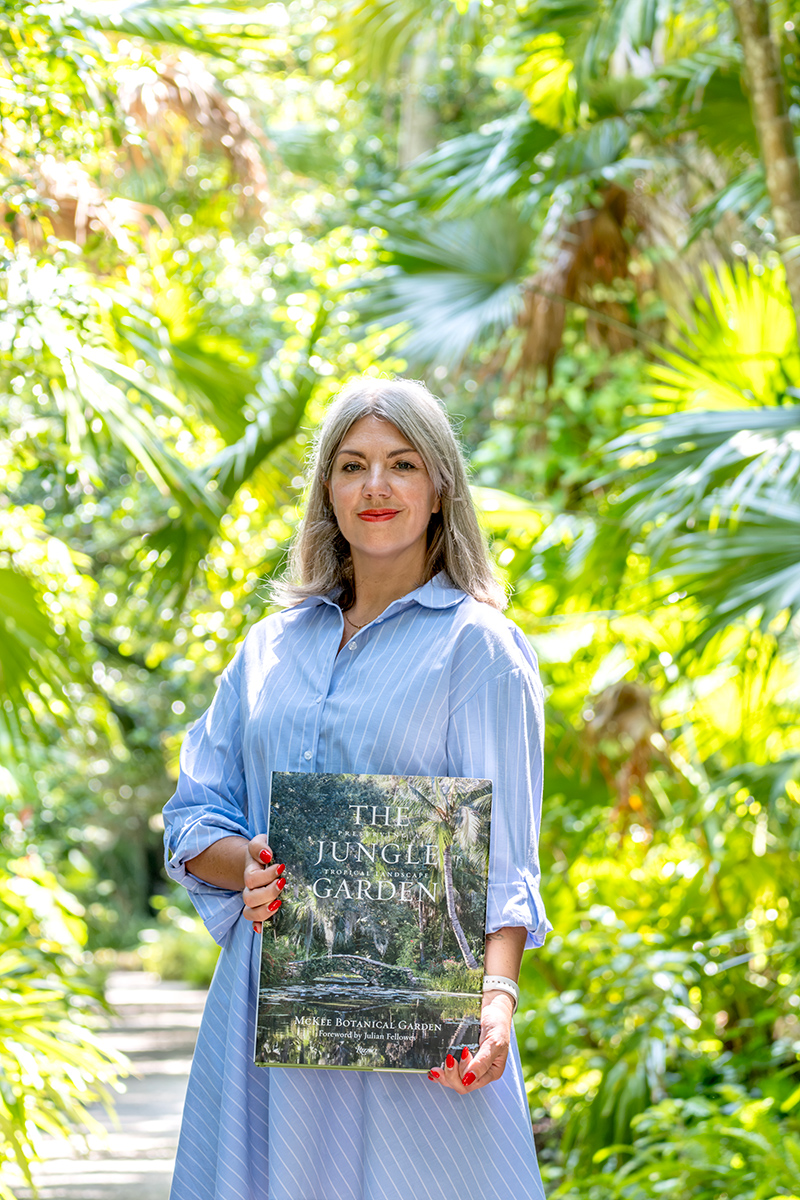
The remarkable story of McKee, from its early days as a unique Florida attraction, to its present-day stature as a renowned botanical garden, is told in “The Jungle Garden: Preserving a Tropical Landscape,” a commemorative book celebrating the 25th anniversary of the garden’s reopening.
The gorgeous coffee-table tome, which reflects the garden’s exquisite beauty, has a foreword by Julian Fellowes, text by Heather O’Shea, archival photographs tracing McKee’s remarkable legacy, and lavish current-day photos by celebrated nature photographer Ngoc Minh Ngo.
Christel Morat, McKee’s marketing manager, said a committee led by board member Marion de Vogel, great-granddaughter of Arthur McKee, worked on the book for several years, before its recent publication by Rizzoli New York.
“The beautiful color photography just pops. It almost feels like you’re walking through the garden. The photographs were taken over the course of a year, I believe. She came at three different visits, mainly in the early mornings and then at dusk to get that beautiful lighting,” said Morat.
“We had a lot of donations to make this book possible. It’s just a really remarkable story and we’re so happy that it came together for the 25th reopening anniversary,” said Morat. It’s also the anniversary of the Gatekeepers of the Garden, top-level donors whose contributions are vital to its operation.
The book’s opening chapter, ‘A Florida Wilderness Awaits,’ traces the garden’s earliest days, when Arthur G. McKee, a Cleveland industrialist, and Waldo E. Sexton, one of Vero’s most famous multifaceted entrepreneurs, conceived of transforming the lush Florida hammock into a place of natural beauty and discovery.
The second chapter, ‘The Plant Explorers,’ describes how they sourced and collected a wealth of tropical and exotic plants and orchids, some of which are now part of McKee’s Living Collections.
In ‘The Jungle Becomes a Garden’ we learn about famed landscape architect William Lyman Phillips, whose envisioned design would be “a bit breathtaking.” No jungle is complete without animals, so various creatures, including parrots, peacocks, deer, monkeys, an alligator, a bear and a pair of chimpanzees were introduced.
‘A Florida Roadside Attraction’ evokes the era when station wagons packed with families made McKee, then labeled “one of Florida’s oldest and most extensive botanical gardens,” a must-see stop on their Florida itineraries. It also highlights Sexton’s eye for collecting unique objects, including the massive mahogany table now housed in the Hall of Giants adjacent to the Spanish Kitchen.
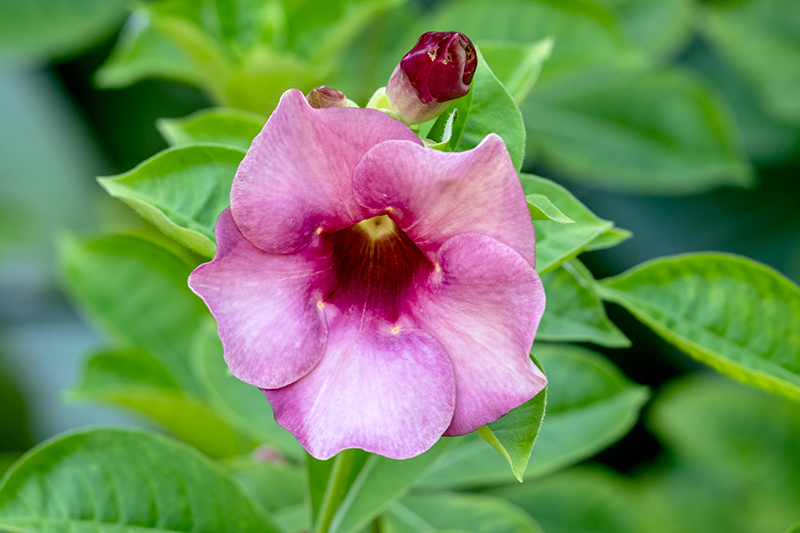
The next two chapters, ‘The Waterlilies’ and ‘The Orchids,’ lovingly explore the care and dedication behind McKee’s award-winning collections. They describe the lengths taken to collect, cultivate and propagate the plants whose brilliant blooms punctuate the lush greenery and have long inspired photographers and artists.
‘Back to Nature’ takes a more somber turn, recounting the garden’s decline and closure, as traffic shifted to I-95 and new destinations such as Disney World drew visitors away. The chapter also revisits the herculean efforts to save the last little bit of remaining acreage from development.
The final two chapters, ‘Reclaiming a Cultural Landscape’ and ‘A Wild Place of Tropical Beauty,’ offer the account of the garden’s rebirth. It includes the contributions of landscape architect David Sacks who was challenged to preserve Phillip’s original vision within an area one-quarter of its original size. The chapters also spotlight newer additions that continue to broaden McKee’s appeal, from the Children’s Garden and art exhibitions to year-round activities that now draw thousands of visitors.
Morat said the book will have a soft launch in the gift shop during McKee’s Rare & Exotic Orchid Exhibition & Sale on Sept. 5 and Sept. 6. Held in partnership with the Vero Beach Orchid Society, the event features acclaimed orchid growers, artisans, lectures, hands-on workshops and special presentations.
The book will also be available on the McKee and Rizzoli websites, and a launch event is scheduled for Nov. 12 at the Vero Beach Book Center.
In addition to the book, McKee has a wealth of community events scheduled.
An October installation, “Wild About Babies” by contemporary artists Gillie and Marc, featuring lifelike bronze sculptures of critically endangered newborn animals will remain on display until Dec. 2027. An extended Holiday Lights event, Nov. 29 to Jan. 2, will feature the animals in Jungle Lights, Return of the Wild.
Next, Jungle in Bloom, a graphic rewilding by London artists Lee Baker and Catherine Borowski, will be on display from Jan. 10 to Aug. 2027.
“They do these huge, graphic illustrated installations. They’ve done it at the New York Botanical Garden, and other places in New York. They print and wrap things, and will wrap our whole entrance, and our volunteer building,” said Morat.
An All-American Sports Car-themed Motor Car Exhibit is scheduled for Feb. 13 and, later in the year, the Pirate and Fairy Festival has been moved to May 1, a Mother’s Day celebration is planned for May 9, and the annual Water Lily Celebration is being expanded to two days, June 12-13.
For more information, visit McKeeGarden.org.
Photos by Joshua Kodis