For centuries, we measured aging with an obvious question: How old are you? But today, many physicians believe a far more important question is, “How well are your body and brain holding up?”
It’s the difference between lifespan and health span.
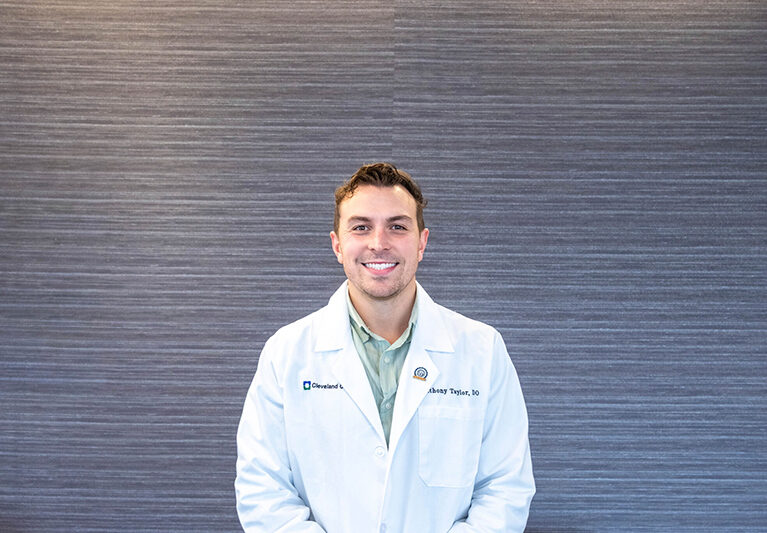
“It’s a very important differentiation to make,” said Dr. Anthony Taylor, a primary care physician with Cleveland Clinic Indian River Hospital.
Living to 95 may sound impressive, but if the later years are spent battling chronic disease, with limited mobility and declining independence, are they truly the years we hope for? Health span focuses on the quality of years instead of just the number.
Are you strong enough to climb stairs, travel and play with grandchildren. Are you able to think clearly and continue doing the activities that make life enjoyable. Is life meaningful and pleasurable?
“Lifespan is purely numerical. Health span is what’s important,” says Dr. Taylor. “How healthy do you feel? How healthy do you perceive that you are? What’s the point of living into your hundreds if you’re not going to feel well?”
While there is no magic formula for extending healthy years, physicians agree there are three fundamental pillars – good nutrition, restorative sleep and regular exercise. Of those three, Dr. Taylor believes physical activity, particularly strength training, is one of the most powerful tools for aging well.
He emphasizes the key role physical exercise plays in keeping people healthy, “especially as they age.”
Strength training does far more than build bigger muscles.
Researchers have consistently found that people who maintain greater muscle mass are less likely to develop chronic diseases and tend to live longer. A large review published in the British Journal of Sports Medicine reported that even modest amounts of resistance training each week were associated with a significantly lower risk of premature death and major illnesses, including heart disease, diabetes, dementia and certain types of cancer.
As muscles work against resistance, they pull on bones, stimulating the body to increase bone density. That helps reduce the risk of osteoporosis and fractures, two of the leading causes of disability in older adults.
“When you put the muscles under tension, they’re pulling on the bones,” Dr. Taylor explained. “The bones are getting stronger. There’s a direct correlation between the amount of lean mass somebody has, the stronger their body is, the healthier they are, and the longer they’re live.”
A focus on maintaining muscle mass is especially important for people taking GLP-1 medications such as Ozempic, Wegovy or Zepbound.
“These medications are very effective in helping people lose weight,” Dr. Taylor said. “But they also probably cause people to lose muscle mass along the way.”
That is why he encourages patients using these medications to consume adequate protein and incorporate resistance exercises into their weekly routine.
“Protein is the building block of muscles,” he said. “That’s what keeps your body healthy and supports lean tissue. We don’t want to lose the lean tissue.”
Strength training also helps preserve something many people fear losing even more than physical strength – their mental sharpness.
Exercise of all types increases blood flow to the brain, delivering oxygen and nutrients while stimulating the release of brain-derived neurotrophic factor (BDNF), often called “fertilizer for the brain,” because it promotes the growth and survival of nerve cells.
Studies have shown that resistance training can improve memory, executive function and processing speed in older adults. Even individuals already diagnosed with mild cognitive impairment or dementia have demonstrated measurable improvements in cognitive testing after participating in structured exercise programs.
“The brain is a very metabolically demanding organ,” Dr. Taylor said. “By having a more robust cardiovascular system, you increase cerebral blood flow and promote healing factors in the brain. Physical activity will help people stay as sharp as they can throughout their lives.”
Strength training is believed to help with emotional wellbeing as well as mental function.
“A wealth of clinical literature shows physical exercise can improve depression, anxiety and low mood,” Dr. Taylor said. And you don’t have to become a bodybuilder to reap the rewards.
Dr. Taylor recommends finding activities and routines you genuinely enjoy.
“Swimming, riding bikes, going to the gym – they’re all wonderful options to strengthen your body, strengthen your cardiovascular system, and improve your long-term health,” he said. “If you look forward to doing something, you’ll do it longer.”
Current federal guidelines recommend at least 150 minutes of moderate exercise each week, along with muscle-strengthening activities involving all major muscle groups at least twice weekly. Those strength sessions should alternate muscle groups, allowing each to recover before being worked again.
And it’s never too late to begin.
Whether you’re 35 or 75, your muscles, bones, heart and even your brain continue to benefit from regular physical activity. Every set of resistance exercises is an investment – not simply in adding years to your life, but in adding life to your years.
Anthony Taylor, DO, completed his medical training at Lake Erie College of Osteopathic Medicine and his residency at Billings Clinic Internal Medicine in Montana. He sees patients at Cleveland Clinic Indian River Hospital’s Pointe West Primary Care, 1960 Pointe West Dr., Vero Beach. You can call 772-564-7828 to make an appointment.