KENYA — Before the first classroom lights flickered to life, Kenyan students gathered around and marveled at solar suitcases built and asked questions including “how are they built?” and “can we do it ourselves?”
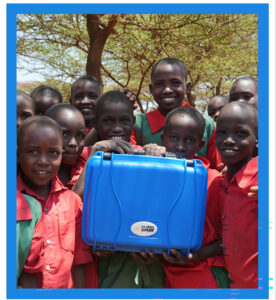
Kenyan students hold up a solar suitcase. PHOTO PROVIDED
The suitcases – or solar power systems – were built half a world away by students like them, in Gifford, and sent to Kenya to be installed at nine schools in Samburu County last year.
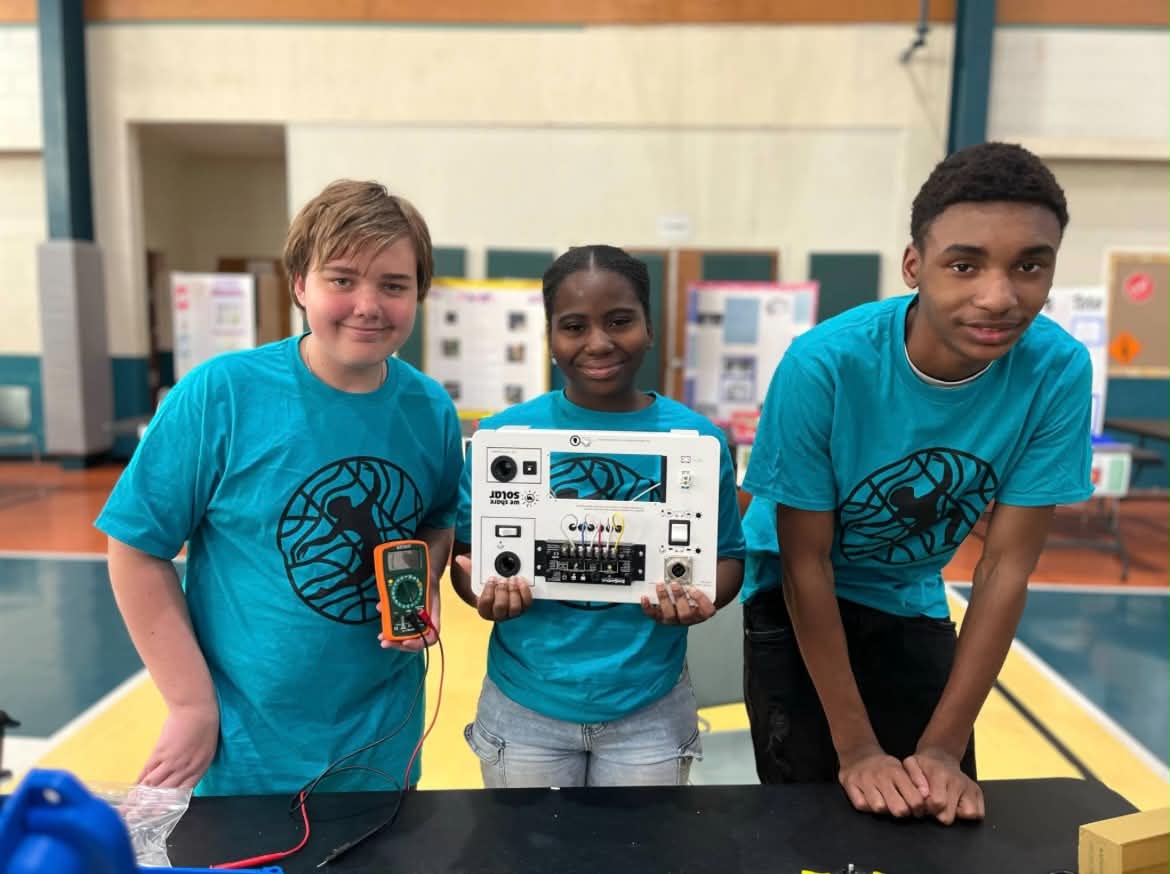
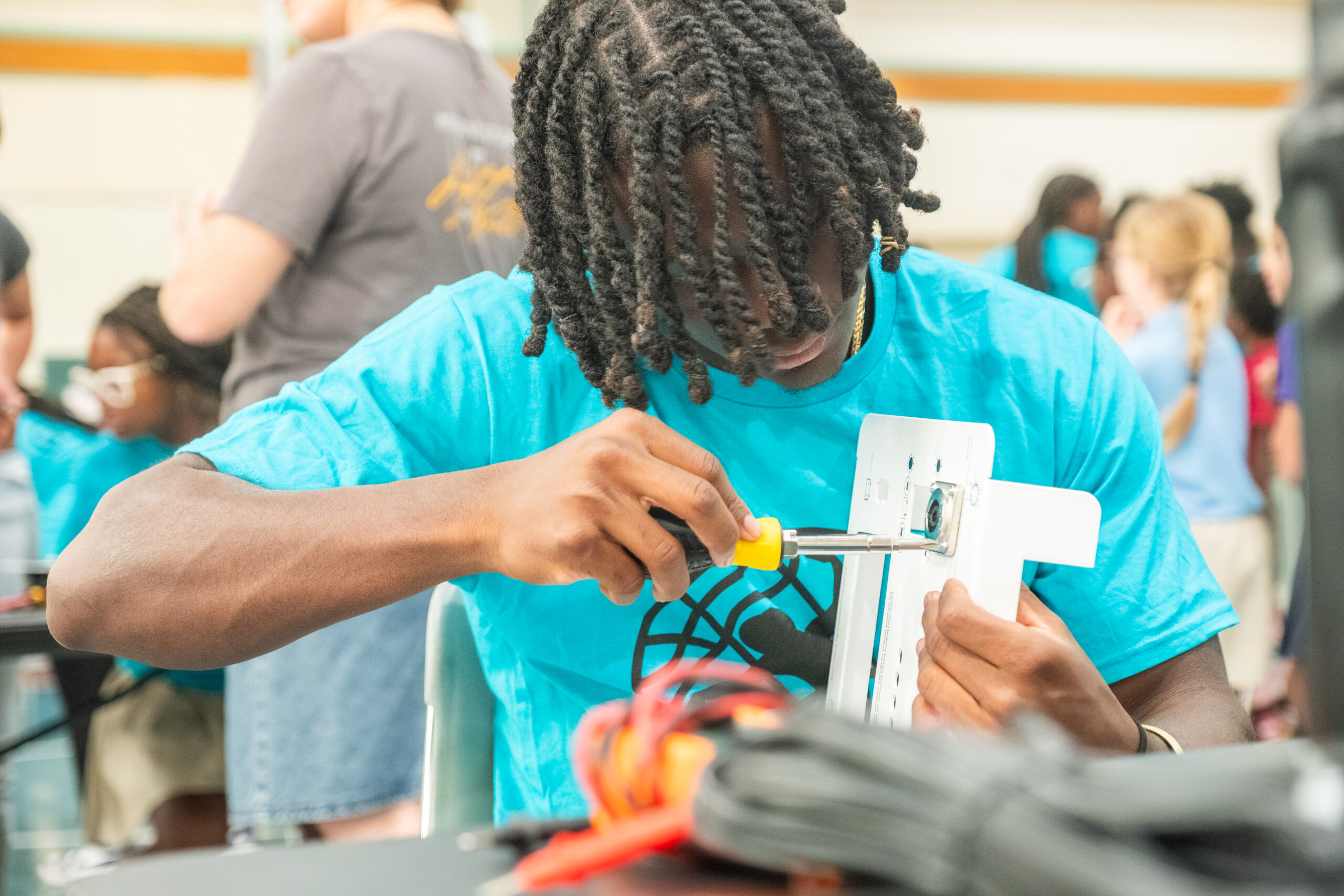
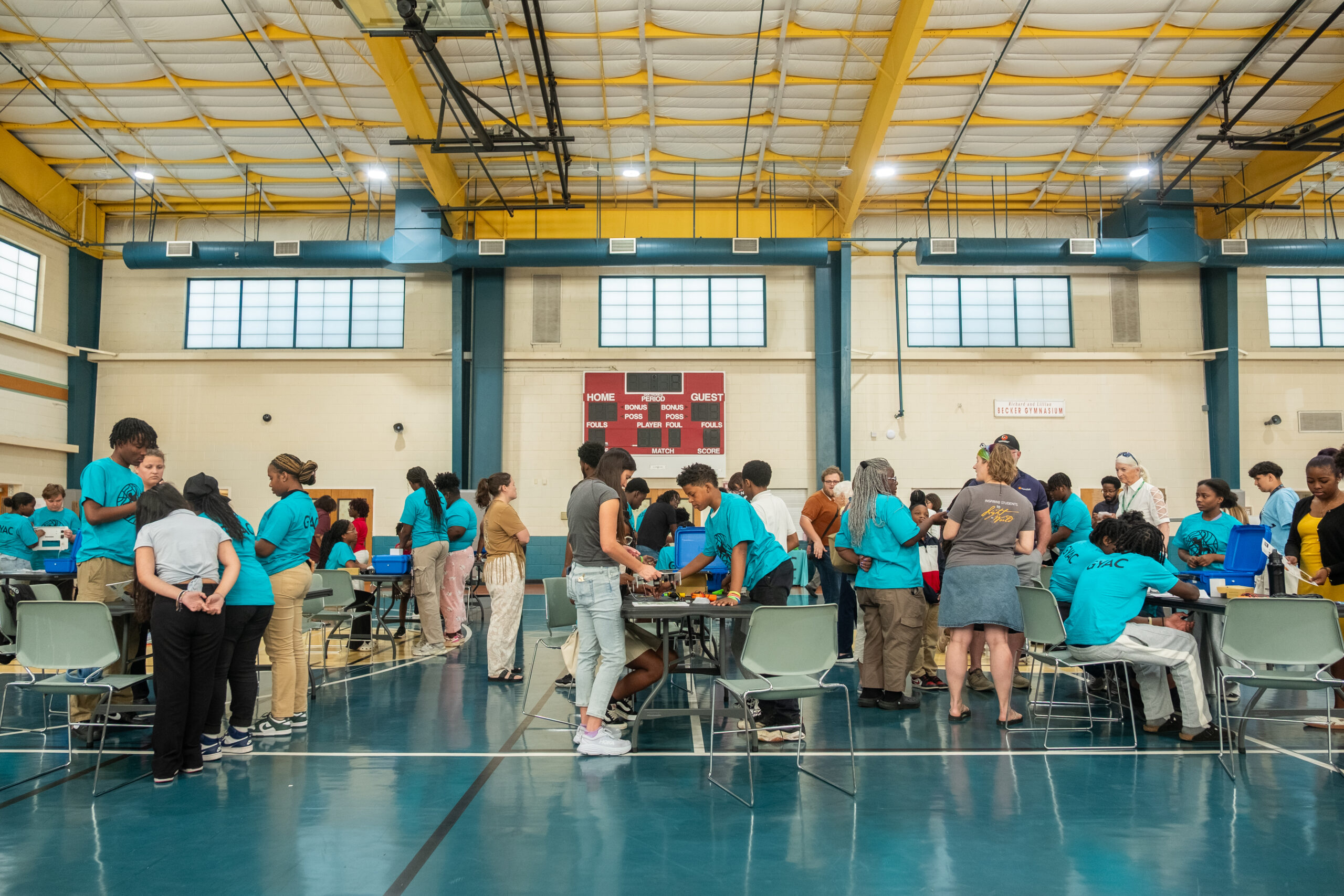
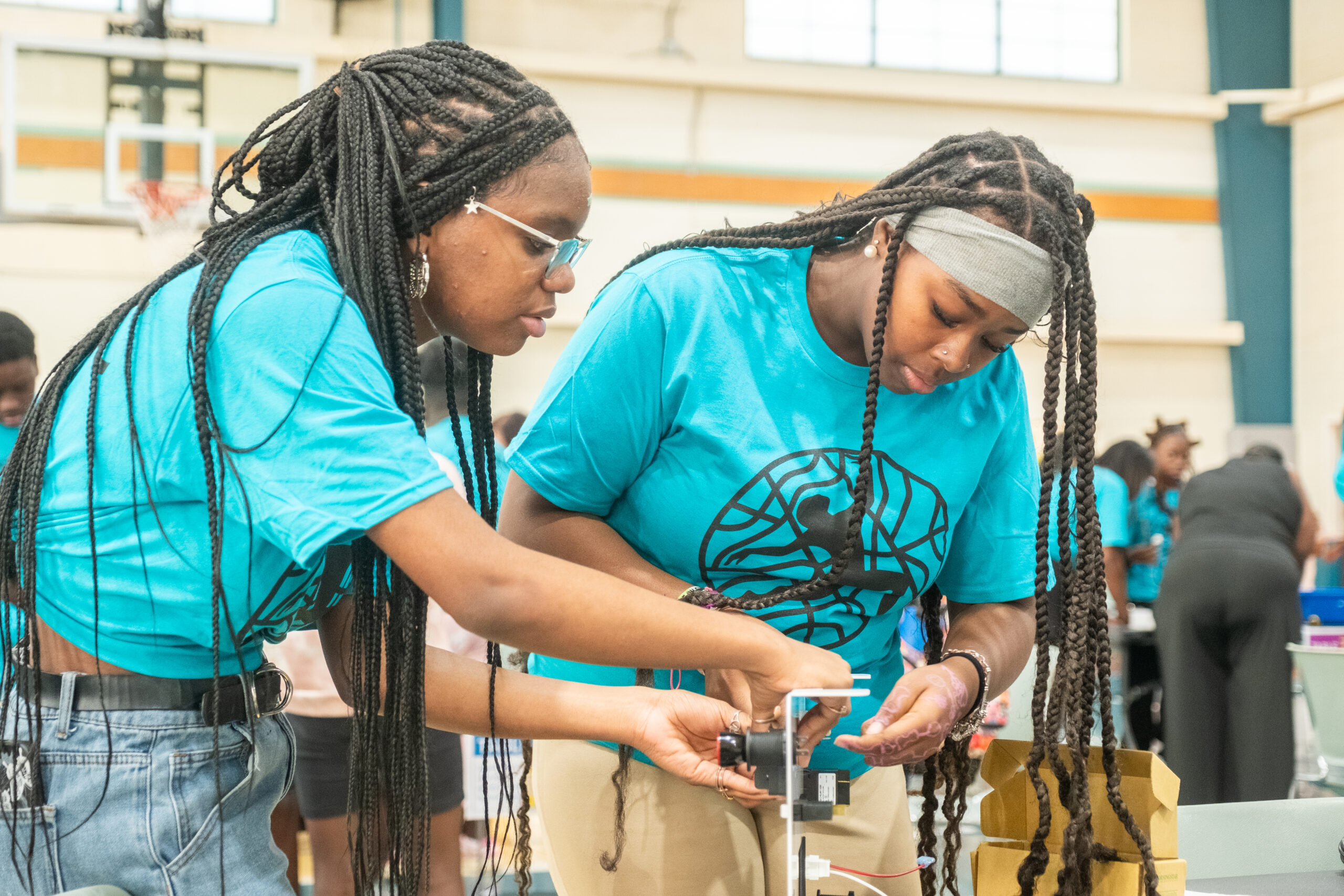
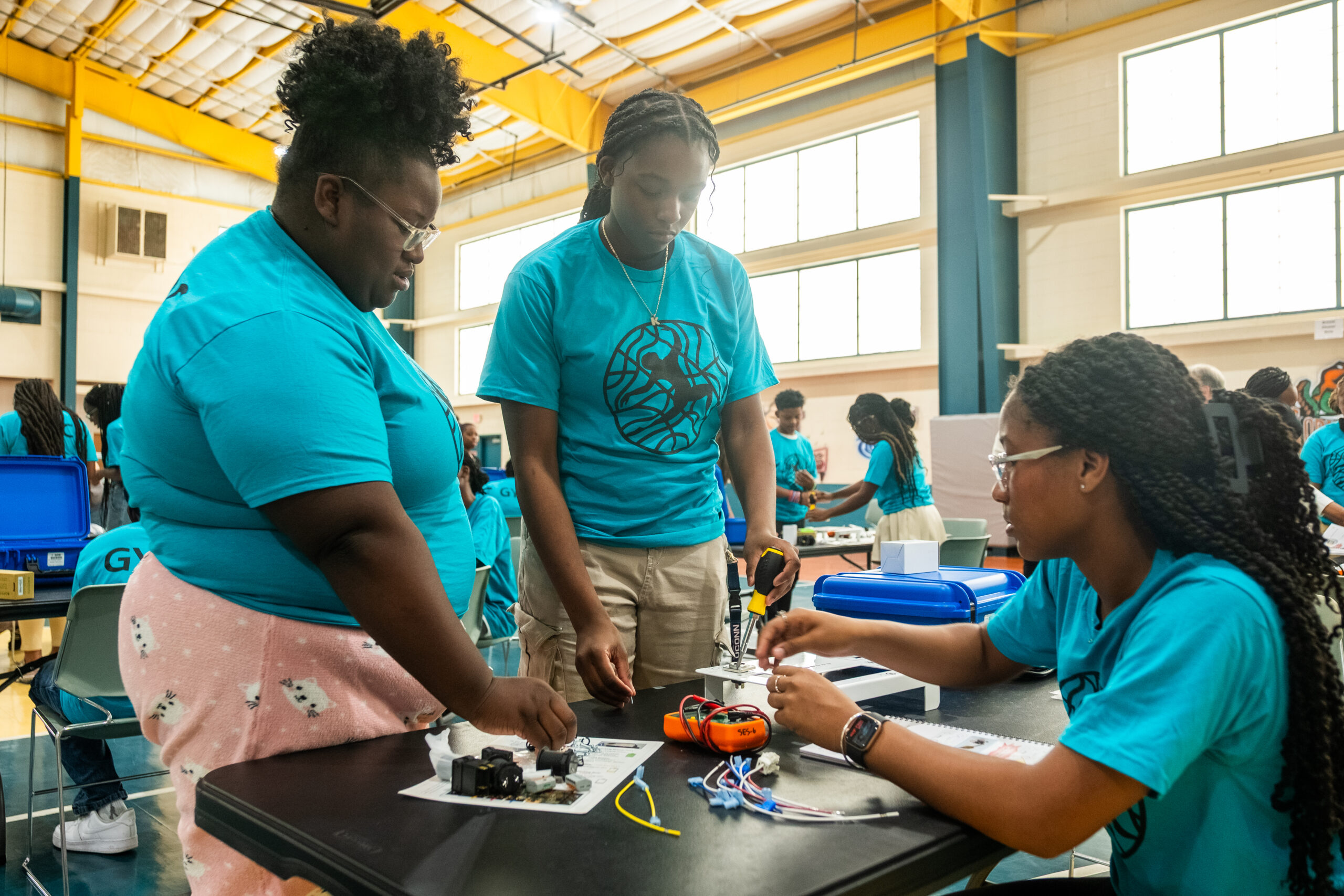
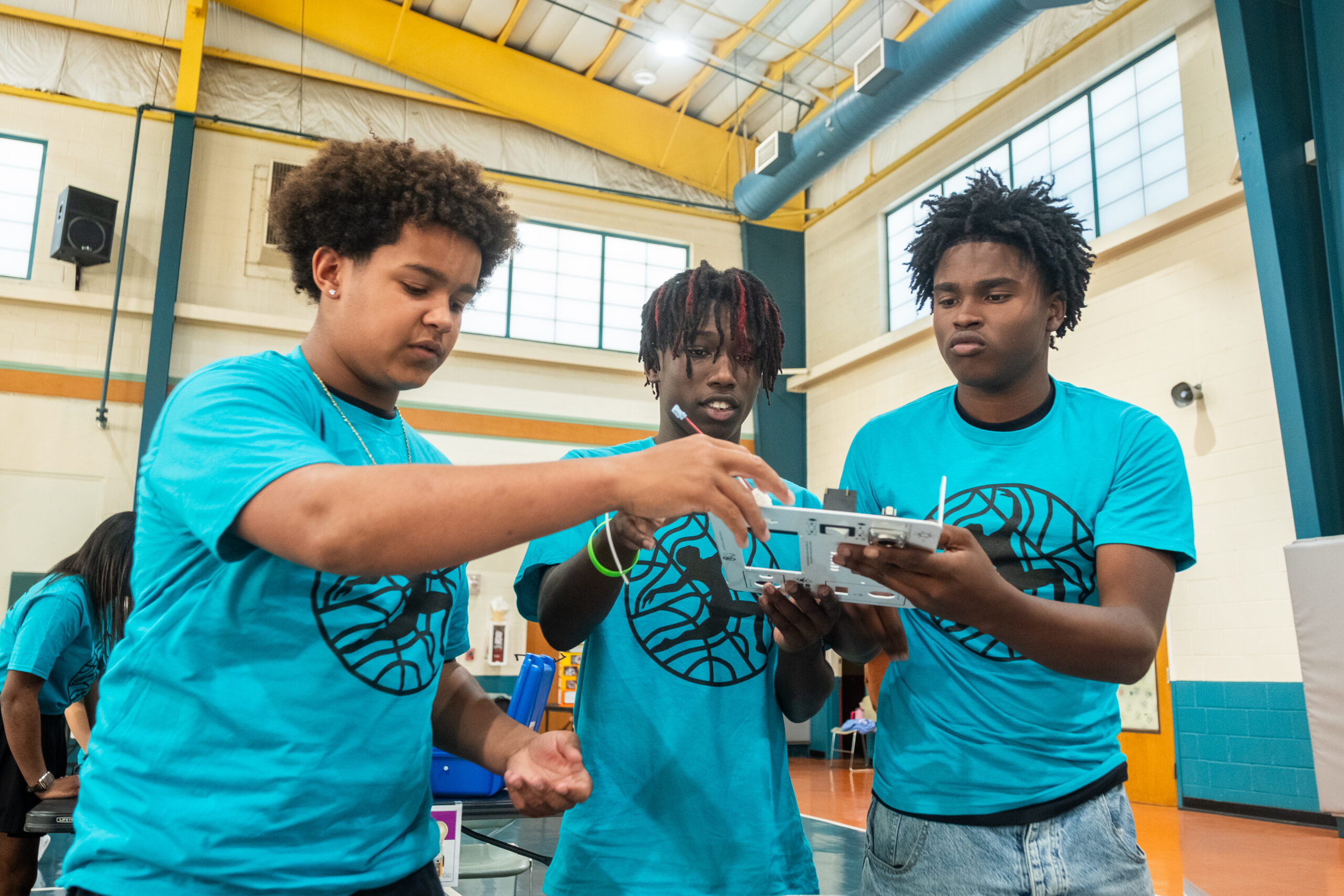
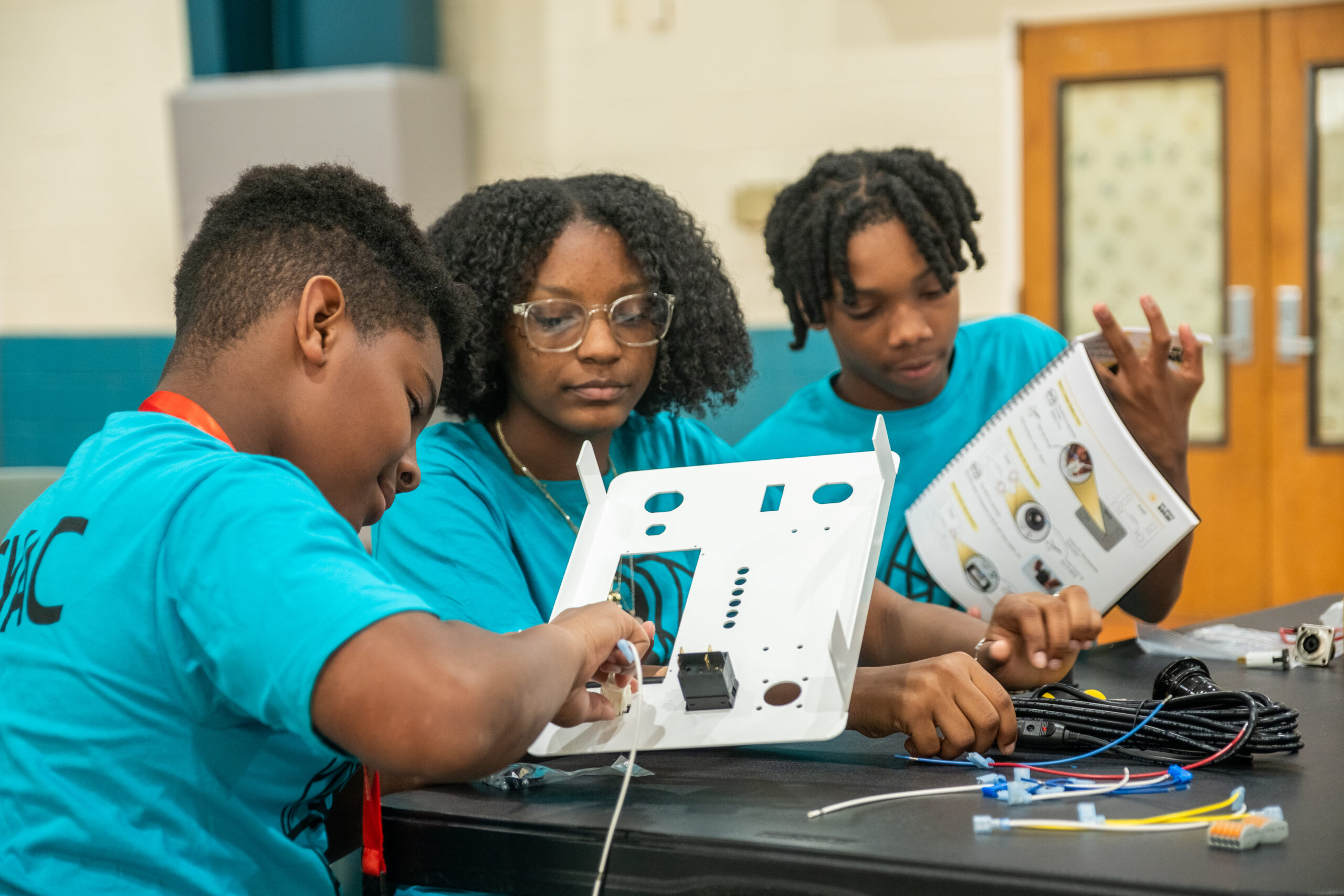
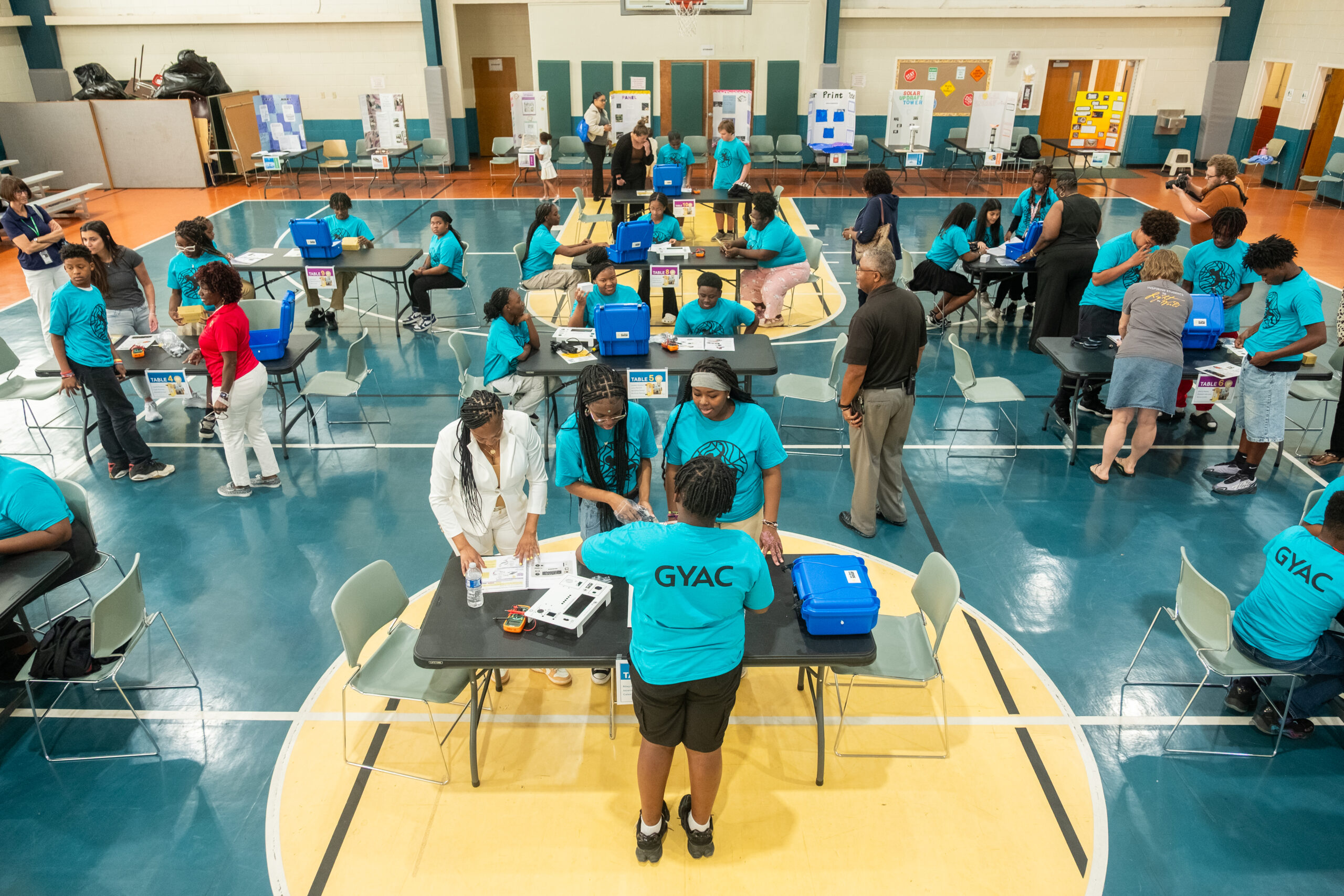
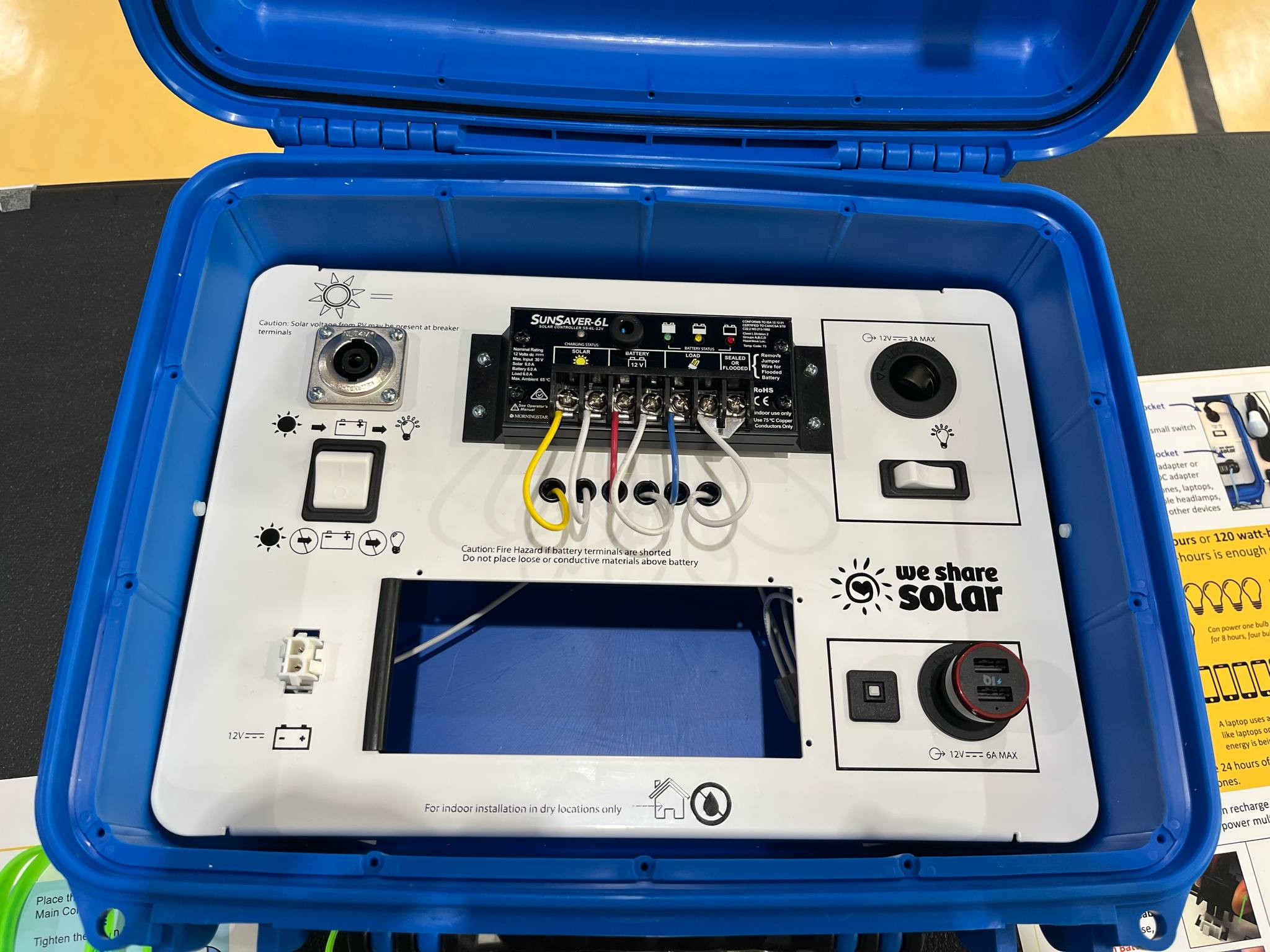
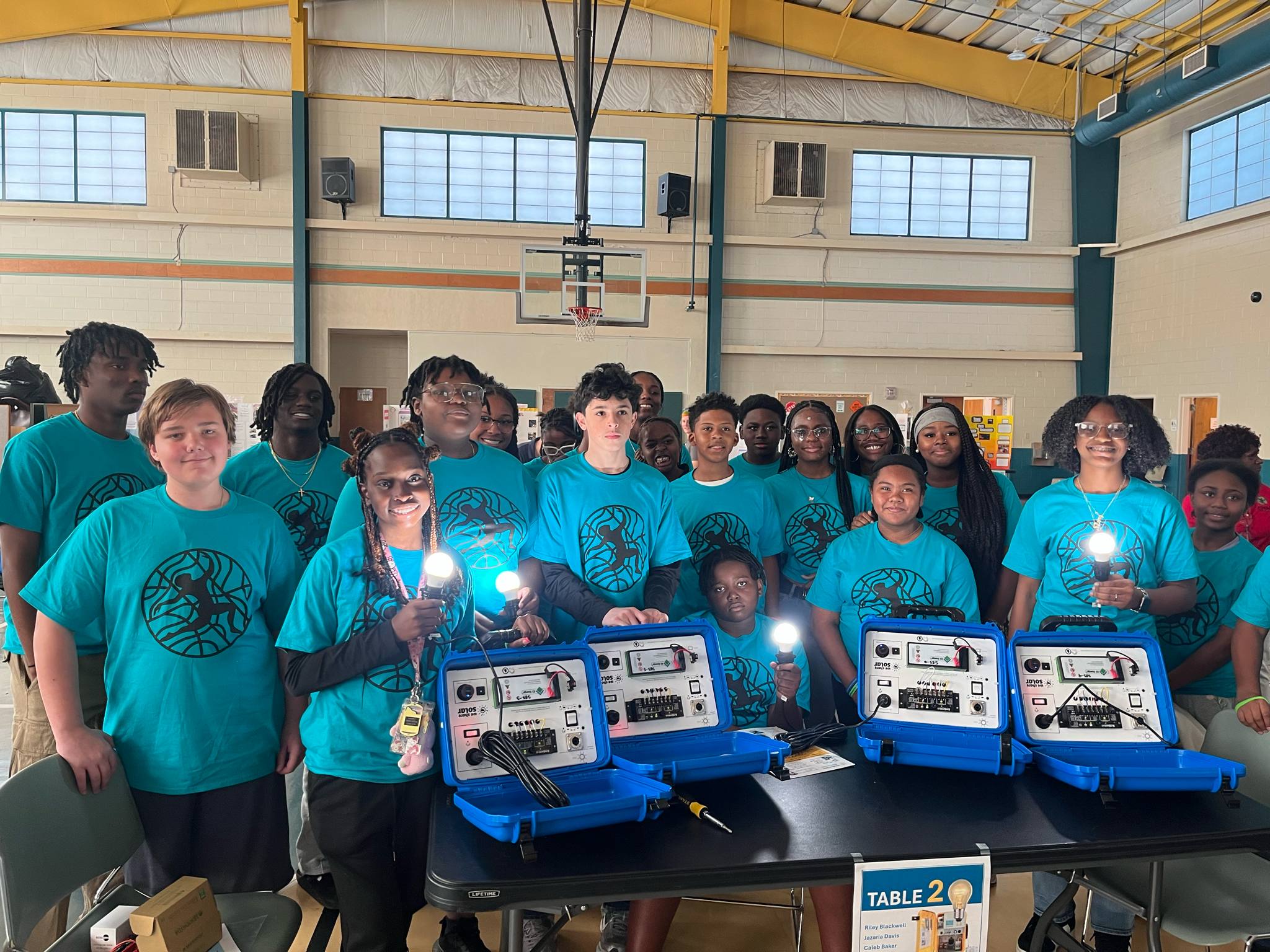
The mini-power systems were meticulously crafted in the gymnasium at the Gifford Youth Achievement Center. The devices now bring electricity to a number of classrooms in the impoverished, remote areas of the east African nation.
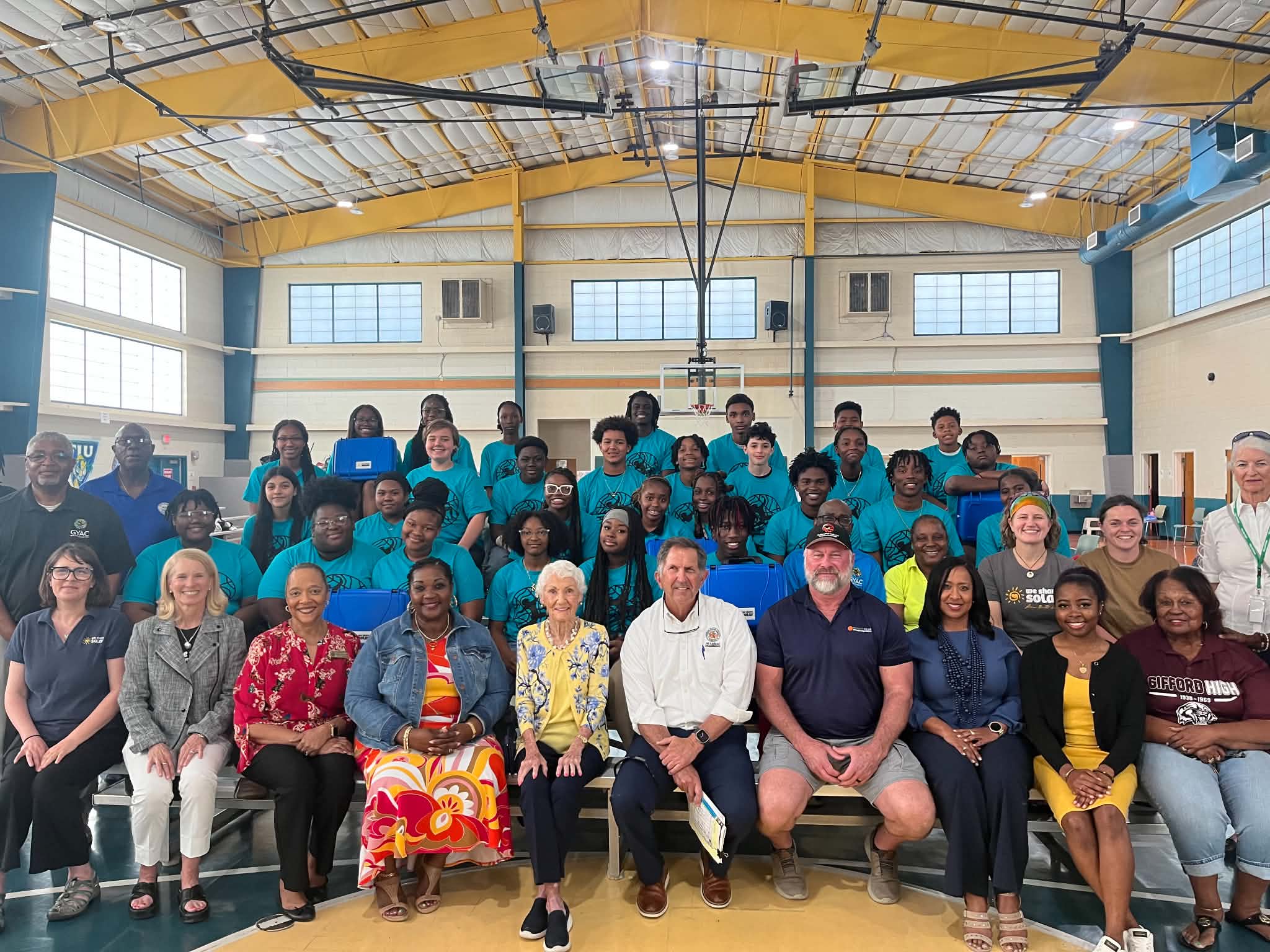
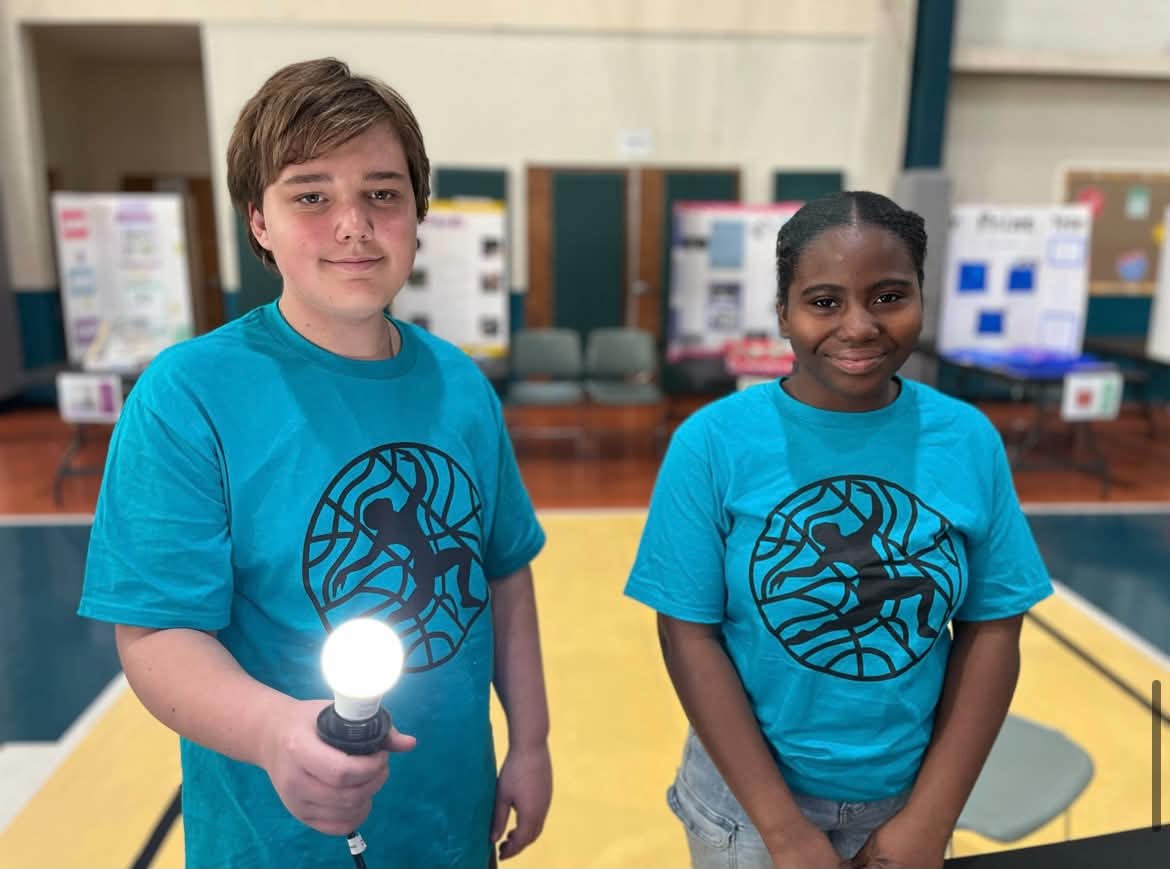
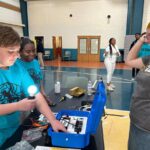
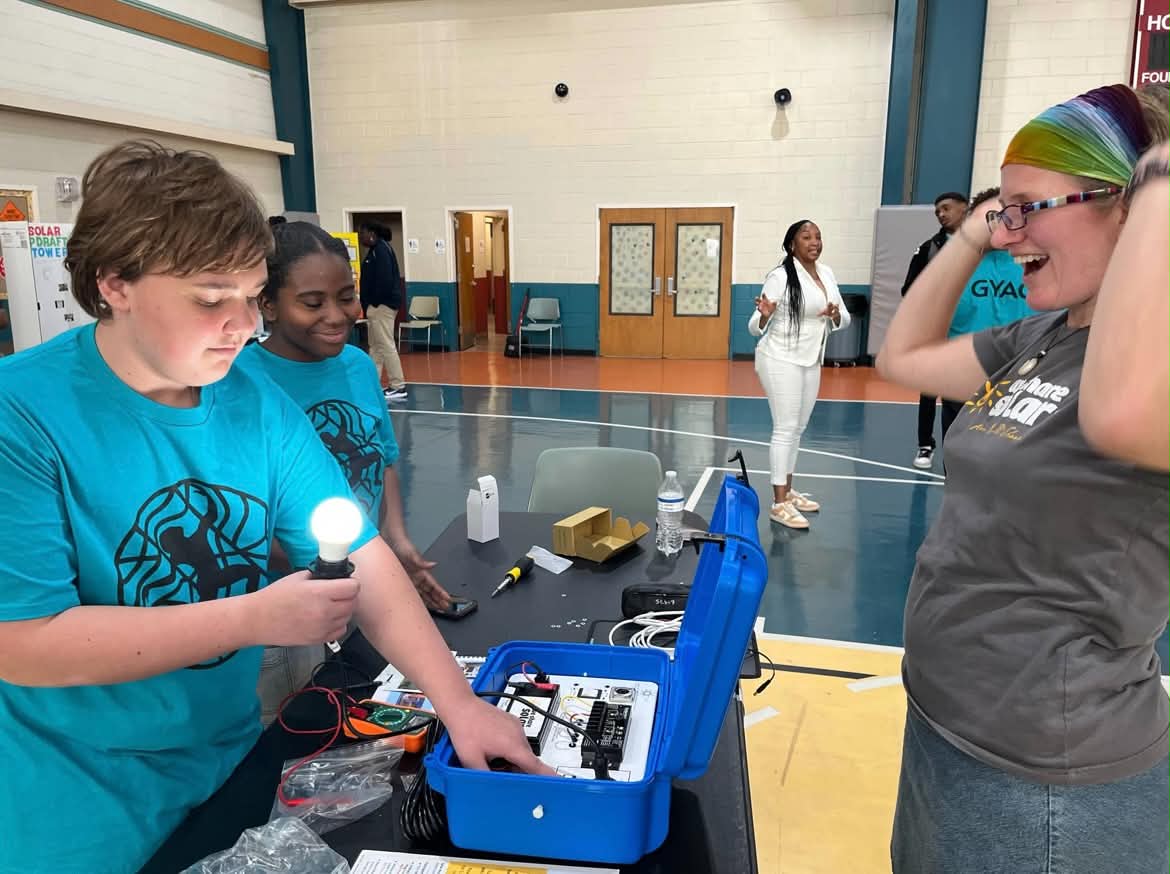
Nearly 30 young scholars at the Gifford Youth Achievement Center in Indian River County assembled the solar suitcases as part of GYAC’s Day of Service. Electricity in the off-grid school buildings means more time for studying, and also more safety.
“(GYAC)’s work has a really big impact,” said Ivy Wangusi, a solar consultant and engineer with Women In Sustainable Energy & Entrepreneurship based in Nairobi. “Keep doing what they’re doing,” she told VeroNews during a streamed video call.
Bringing light to Kenya
Samburu County – with its hot, dry and windy conditions – is out of reach of the power grid for the nation of 58 million people.
This means students had to complete their studies, including the basics like reading and math, before nightfall. In the evenings, students faced total darkness, along with the chance of stumbling upon wild, roaming predatory animals in the lush, expansive bush of the Samburu National Reserve.
“There’s elephants, snakes, hyenas and cheetahs at night,” Wangusi said. “The schools we go to are boarding schools, meaning the students sleep in the schools. The schools go dark at about 7 p.m.”
But, with the installation of the solar power systems, students can now finish school assignments in the classrooms at any time.
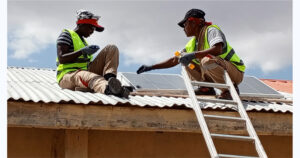
Engineers install solar panels on school buildings in Kenya. The solar panels are part of the solar power system that brings electricity to the campuses. PHOTO PROVIDED
“(Students) rely on these small systems we use,” Wangusi said. “The students can do evening studies. Teachers and parents can charge their phones.”
Multiple families usually live together in small, clustered groups in Samburu because of the wild animals that may wander from the reserve. The light from electricity helps keep the wildlife away. Already, the Kenyan government is making a push to solarize many of its schools – included in those outlying, rugged rural areas – by 2030, according to The Standard news organization based in Kenya.
“The animals don’t go in areas where there’s light, especially elephants,” Wangusi said. “At night, you can hear the elephants, the monkeys fighting and the crocodiles. When you walk around, make sure you look down because you might find a snake in the sand.”
It is a lesson of global outreach for GYAC students, an after school campus that has expanded its reach beyond Indian River County to the stars with a 2022 downlink to the International Space Station, and now providing electricity to Africa.
“Thanks to our partnerships with The Learning Alliance and We Care Solar, our middle and high school students engaged in deep, hands-on STEM learning,” said Curtis Webb, youth programs director at GYAC.
People of Samburu
Wangusi led a team of women who installed solar suitcases at schools in the east African country. She said communities are very excited when they see the engineering team setting up the solar systems and switching on the lights.
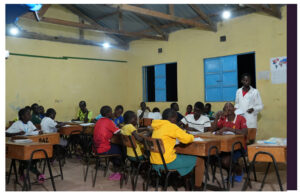
A classroom in Kenya has light thanks to the solar suitcases. PHOTO PROVIDED
“We usually have quite an audience during the installations, from the children to the old people…even the animals stop and stare,” Wangusi said. “They usually say that they have become so used to the darkness which is why such a project excites them that much.”
Wangusi described the people of Samburu County as laid back and hospitable. She said residents directed the engineering team to food spots, places where they could buy items needed for installations, and even brought them to attractions including a mini-safari.
“I loved listening to stories about their culture because it is very different from mine given that there are about 44 tribes in Kenya,” Wangusi said. “They are also very gifted at making jewellery and ornaments and I even got to carry home a souvenir.”
Solar Suitcase Initiative
Schools in Samburu County, located about eight hours north of the capital Nairobi, received solar power systems thanks to a partnership with Women in Sustainable Energy & Entrepreneurship, the Gifford Youth Achievement Center, The Learning Alliance, We Care Solar, The Joyful Noise Charitable Foundation and Save The Elephants Foundation.
Students from around the U.S. built 31 solar suitcases – including 10 assembled at the GYAC – that were sent to Kenya. Engineers installed two solar power systems per day. The team also led a teacher training with STEM kits that can be built and rebuilt by students in the region, said Anna Gomberg, education senior program manager for We Care Solar.
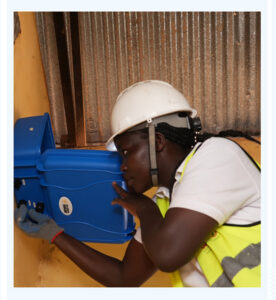
An engineer installs a solar suitcase at a school in Kenya. PHOTO PROVIDED
“The fact that these are suitcases that are going to be deployed to Kenya where kids their age can use them because they don’t have electricity hopefully will make this even more engaging because they know it’s going to be used,” Gomberg previously said during the solar suitcase assembling event last year at GYAC.
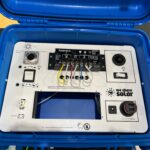
The suitcases each have a stand-alone 12-volt DC solar power system. The solar devices were expanded to include larger batteries and 100-watt solar panels after they arrived in Kenya.
Engineers mounted the durable suitcases on the walls of the schools and placed the solar panels on top of the buildings. The engineering team will conduct maintenance on the solar power systems every three years, Wangusi said.
Solving real world problems
Webb said the solar power project represents the very best of what GYAC aims to achieve, allowing students to experience firsthand the concept of global citizenship and responsibility.

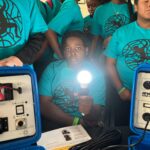
GYAC student Caleb Baker powers up a solar suitcase during GYAC’s Day of Service in March 2025. PHOTO BY NICK SAMUEL
“The true reward is seeing those efforts cross borders to bring sustainable energy to off-grid schools in Samburu,” Webb said. “It proves to our kids that their hands and minds can solve real-world problems.”
GYAC students also placed handwritten letters, along with pictures of them building the solar power systems, inside the suitcases. Wangusi said the students at the schools in Samburu don’t have the opportunity to build solar suitcases.
“The students who make the solar power systems and the students who receive the systems are the same age,” Wangusi said. “Because of limited opportunities, our students can’t really build a system. Some of them have never seen such a system until we bring it to them.”
Exploring STEM Careers
Gomberg hopes the solar suitcase initiative will help students pursue STEM careers, much like how Wangusi followed her passion for engineering.
Wangusi said she’s naturally curious and a problem solver. She added that globally, more women should go after STEM careers because women are naturally very detail-oriented.

Engineers with Women In Sustainable Energy & Entrepreneurship. PHOTO PROVIDED
“From a young age, I loved tinkering with electronics and opening them up to try to get them working again,” Wangusi said. “This field gives me endless opportunities to explore my curiosity and solve a wide array of problems which gives me so much fulfillment.”
A list of solar power system installations at schools in Samburu can be found in the impact report:
Samburu, Kenya Summer 2025 Installation Impact Report (1)
-
- PHOTO BY JOSHUA KODIS
-
- PHOTO BY JOSHUA KODIS
-
- PHOTO BY JOSHUA KODIS
-
- PHOTO BY JOSHUA KODIS
-
- PHOTO BY JOSHUA KODIS
-

- PHOTO BY JOSHUA KODIS
-
- PHOTO BY JOSHUA KODIS
-
- PHOTO BY NICK SAMUEL

-
- PHOTO BY NICK SAMUEL
-
- PHOTO BY NICK SAMUEL
-
- PHOTO BY NICK SAMUEL
-
- PHOTO BY NICK SAMUEL
-
- PHOTO BY NICK SAMUEL
-

- PHOTO BY NICK SAMUEL