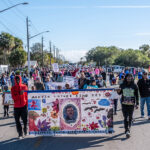
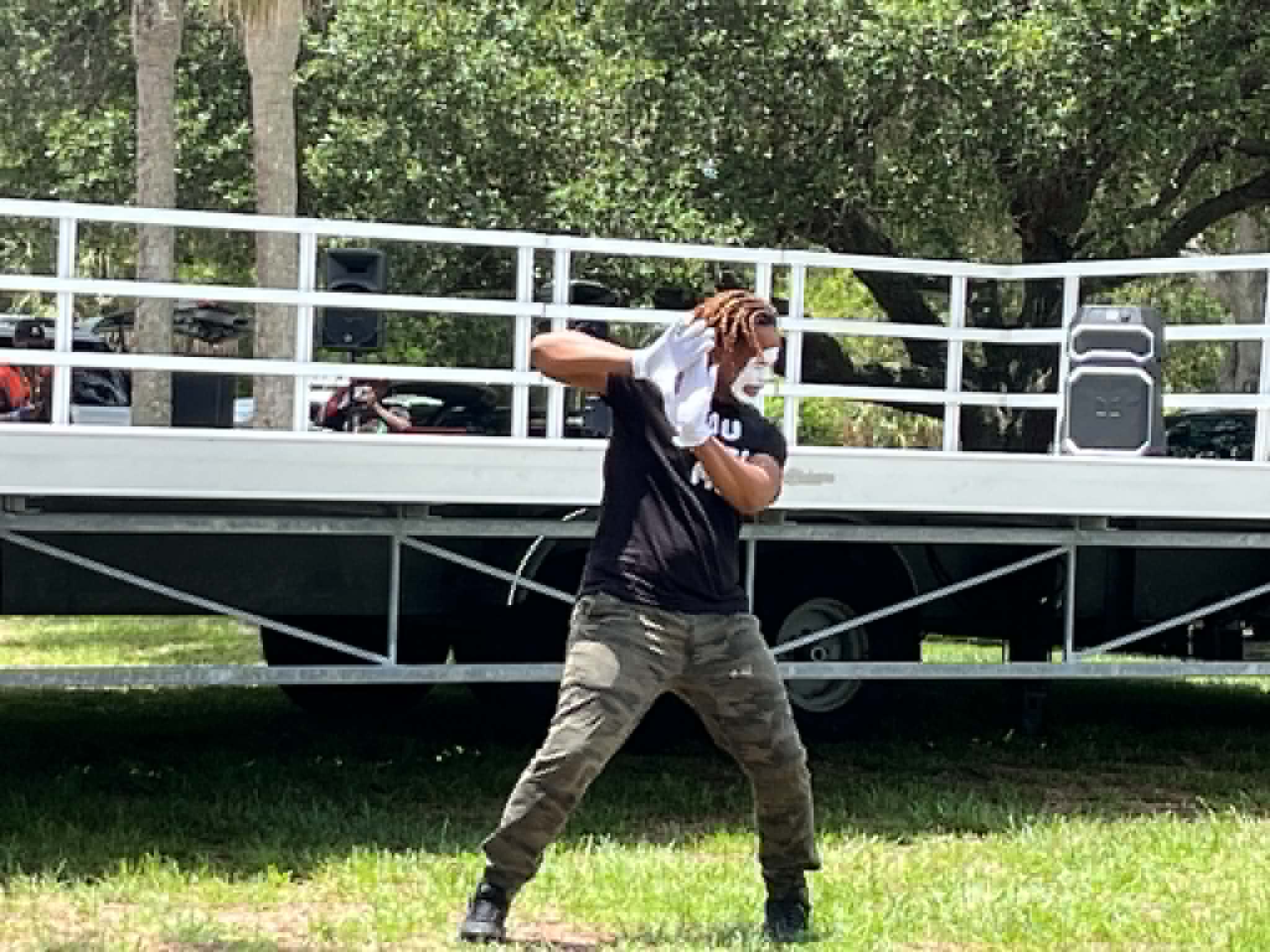
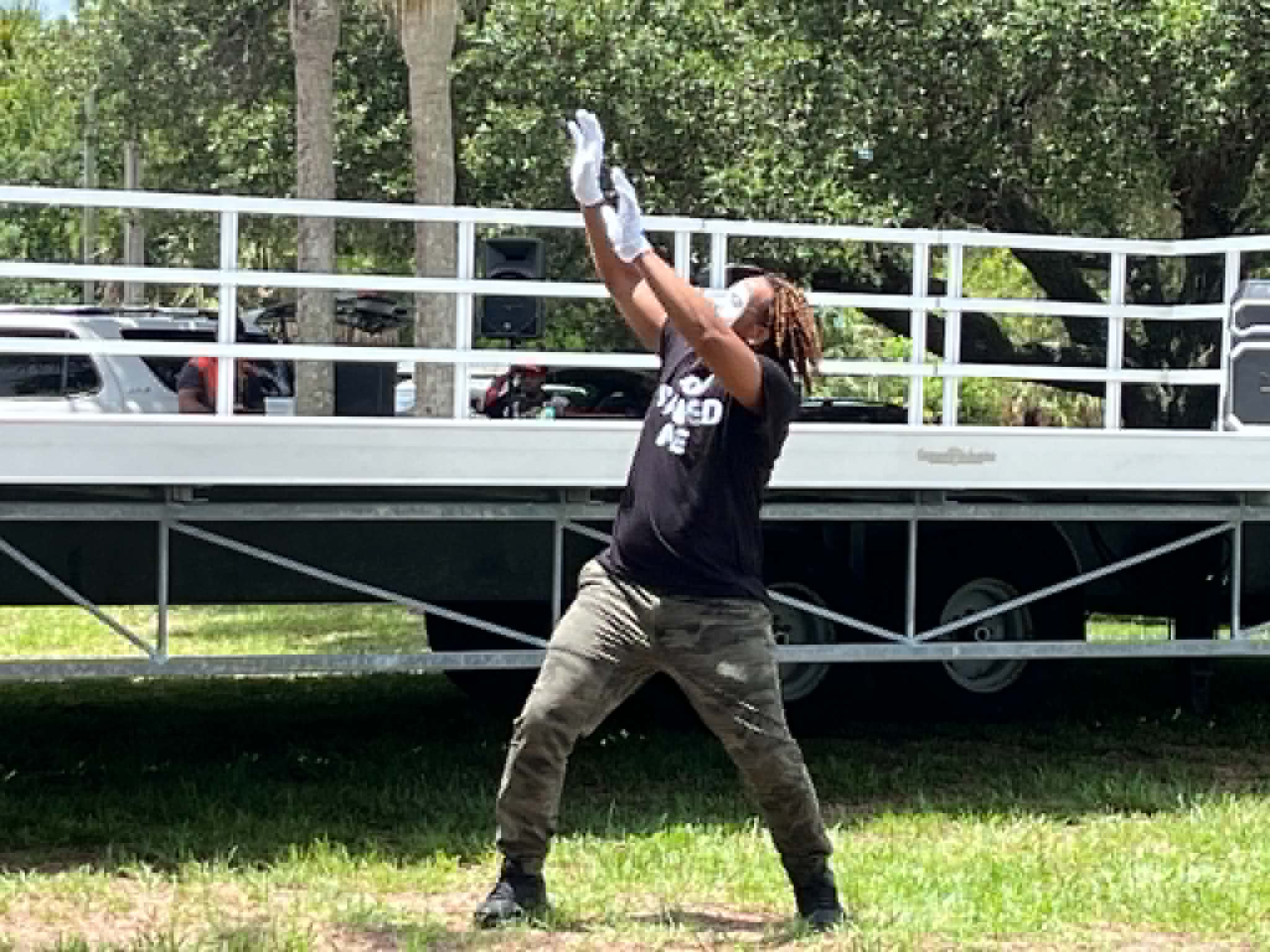
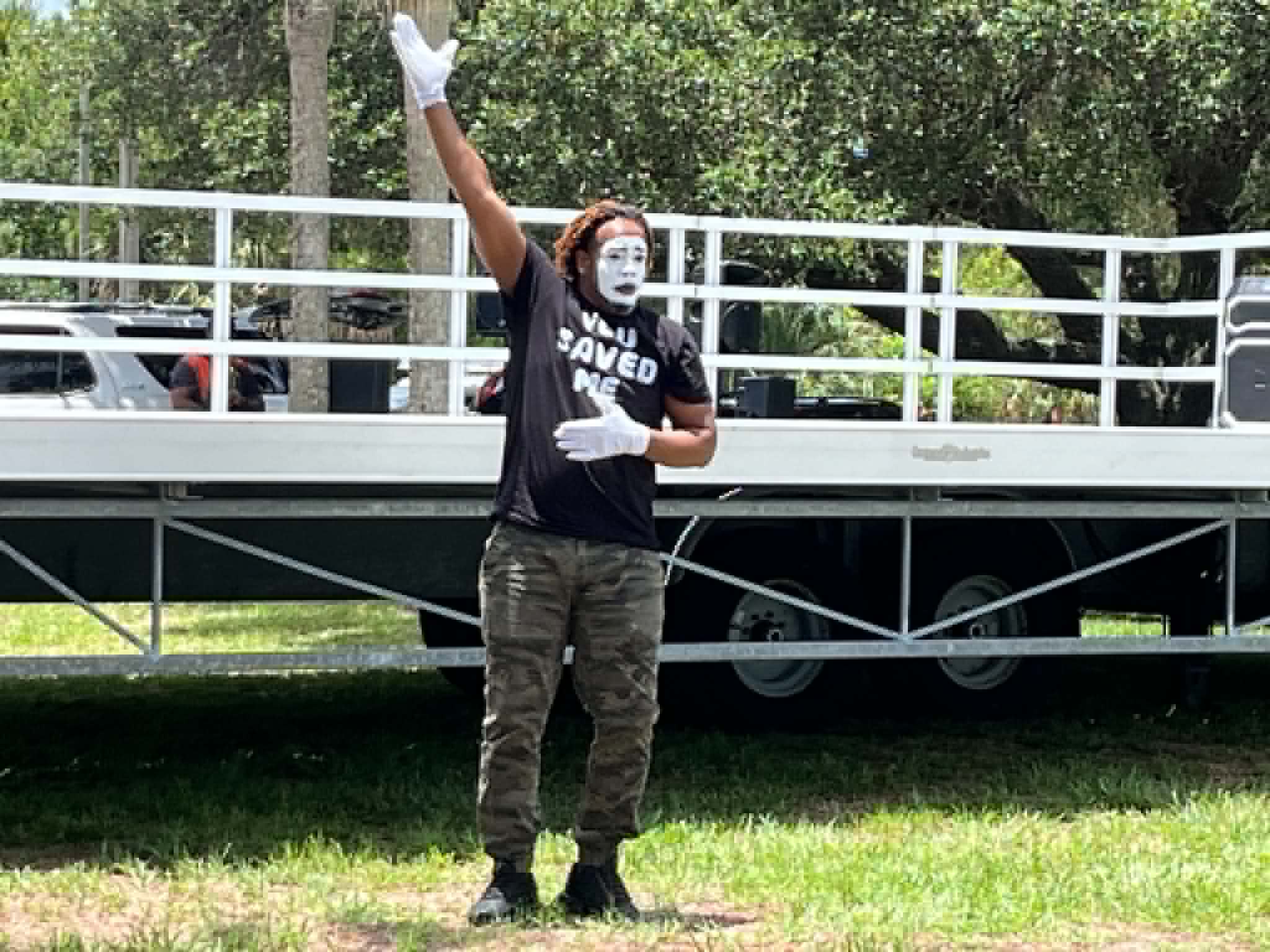
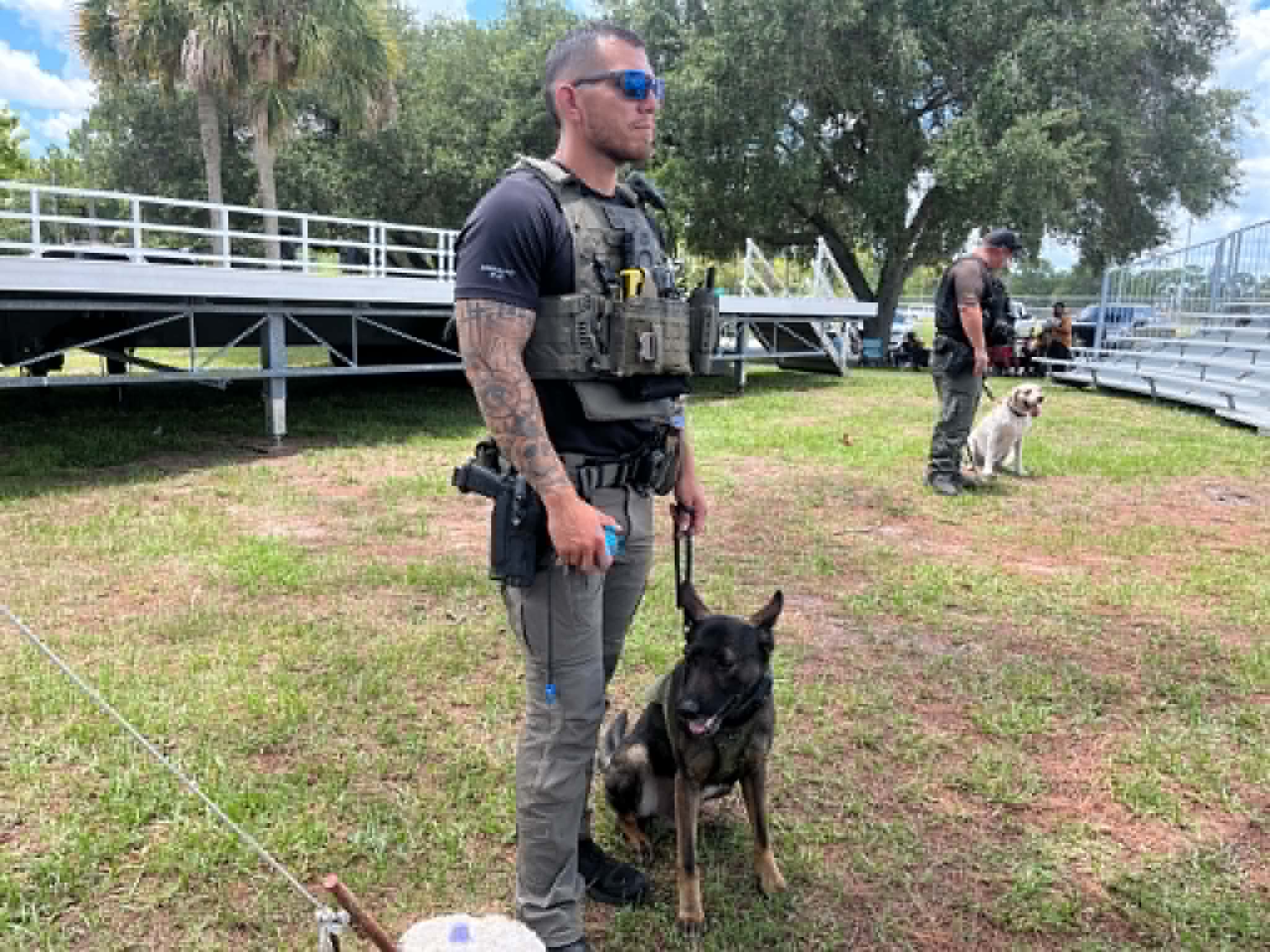
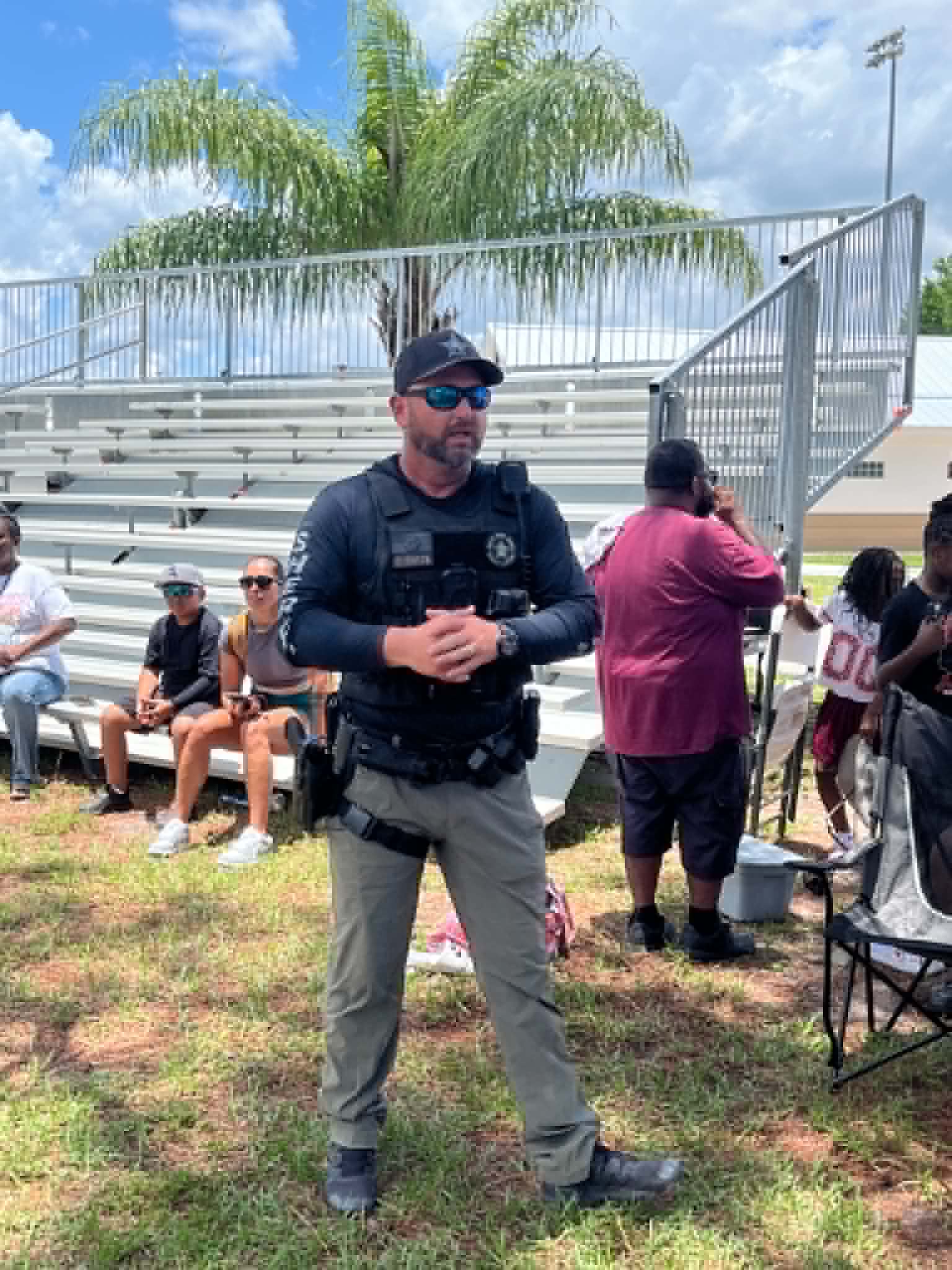
GIFFORD — Ancestral dances tracing back to Africa, history lessons, mime performances, speeches, step team showcases, and a sheriff’s K-9 demonstration highlighted this year’s Juneteenth activities in Gifford. Juneteenth, short for June 19, observes the end of slavery in the U.S.
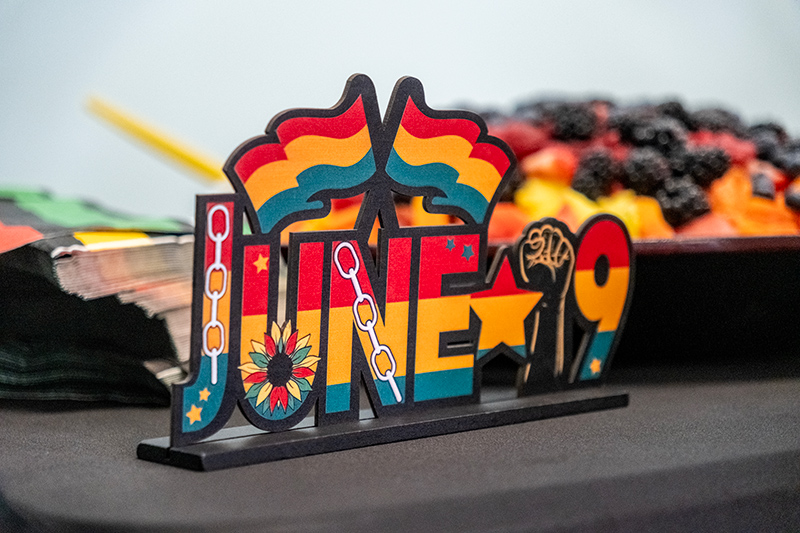
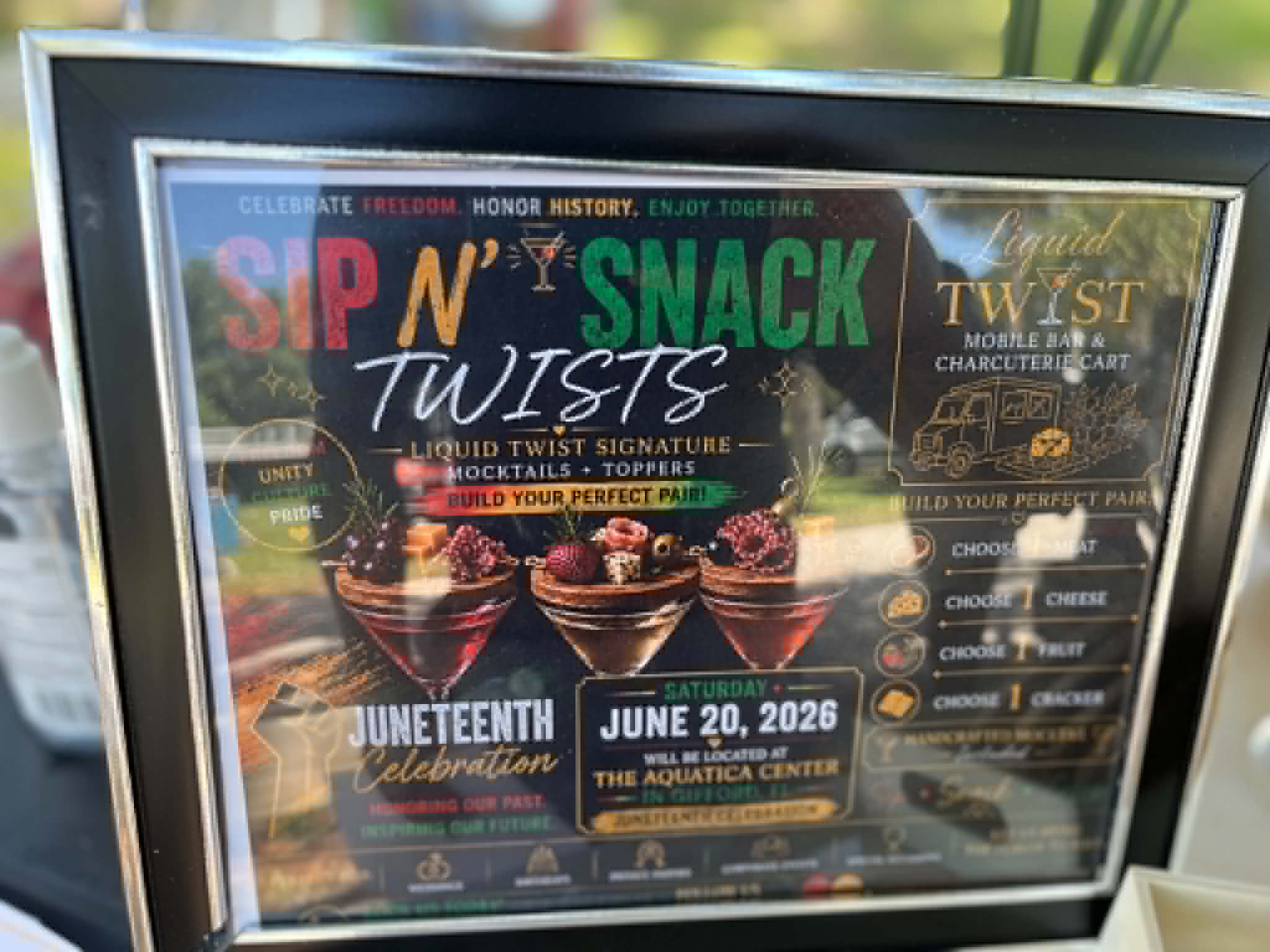
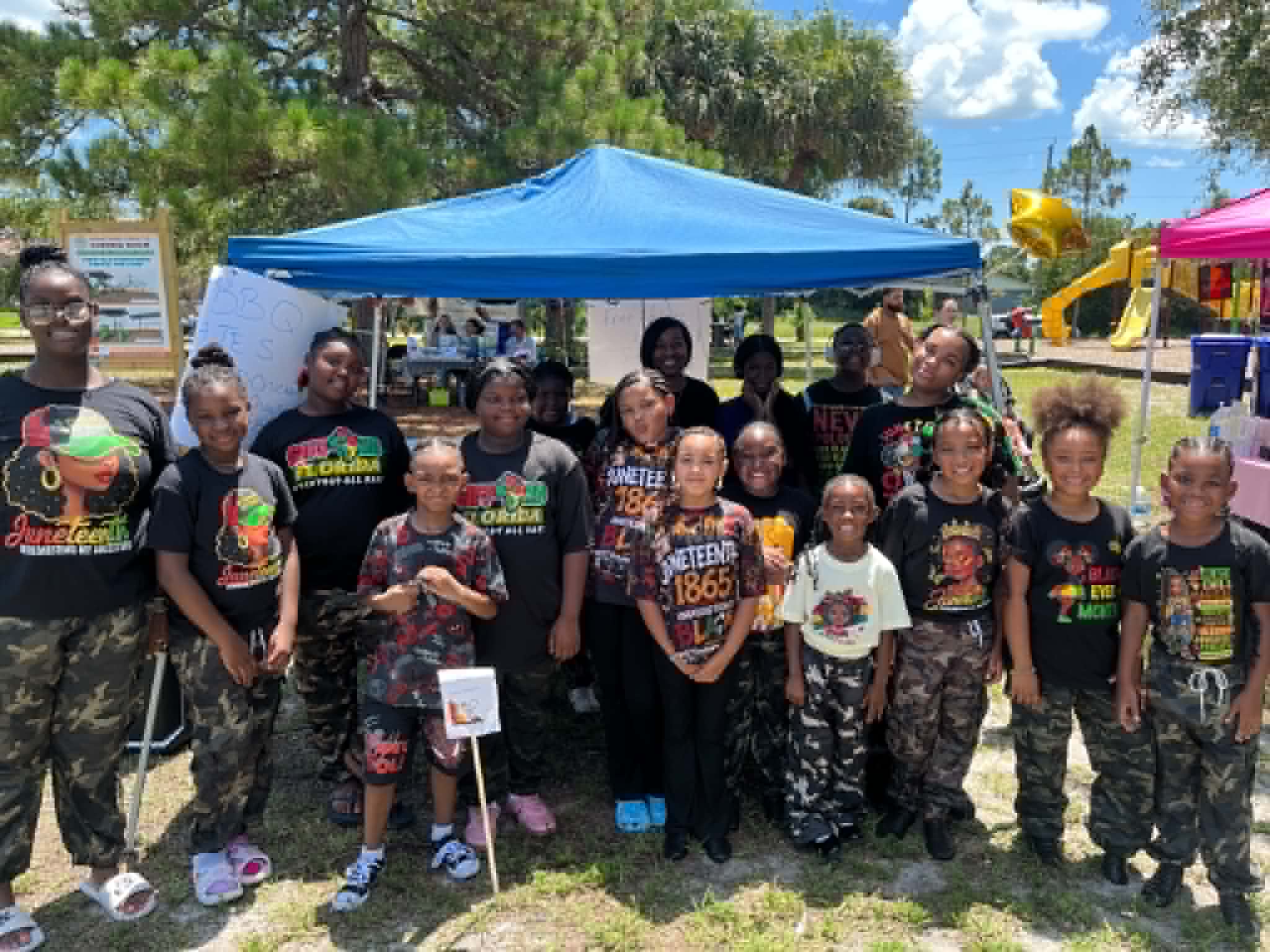
Gifford residents gathered twice this month to celebrate the national holiday. The Juneteenth Luncheon was held Saturday, June 13 at the Gifford Community Center, while the Juneteenth Celebration was held Saturday, June 20 at the Victor Hart Sr. Community Enhancement Complex.
Jonnie Mae Perry, the organizer of the Juneteenth Luncheon, said the national holiday is a conscious opportunity to “honor and remember our enslaved ancestors and their unimaginable journey to freedom.”
“Remembering my ancestors and their struggles reminds me it is my responsibility to live and offer the best version of myself possible,” said Perry, executive director of the Gifford Historical Museum & Cultural Center.
“As a 5th generation descendant (of the enslaved), my being honors them every day.”
Juneteenth Luncheon
Americans are preparing to celebrate the 250th anniversary of the country’s independence. However, it is Juneteenth that brings the complete story of Black Americans into the history of the United States, said Dr. Tameka Bradley, the featured speaker at the Juneteenth Luncheon.
“Juneteenth is a counterbalance to the July 4 holiday. Bondage was still the condition for my ancestors (on July 4, 1776),” said Bradley, who is a historian, social justice leader, educator and author. “It would be 90 more years until my ancestors were free.”
Attendees at the Juneteenth Luncheon enjoyed a freedom lunch with salads, fruit bowls, collard greens, green beans, baked barbeque chicken, seared fish, yellow rice, cornbread, pound cake, red velvet cake, and German chocolate cake with iced tea.
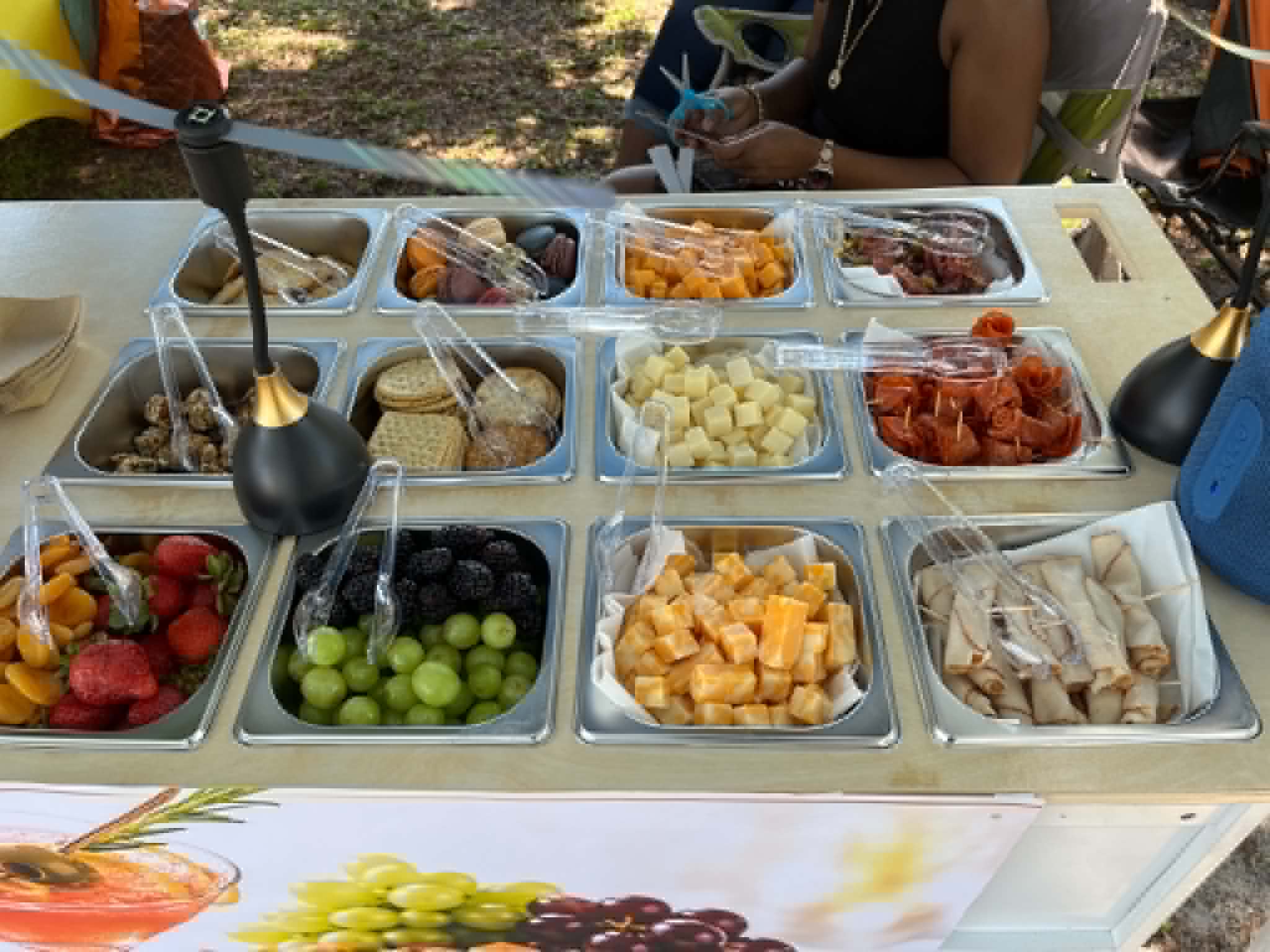
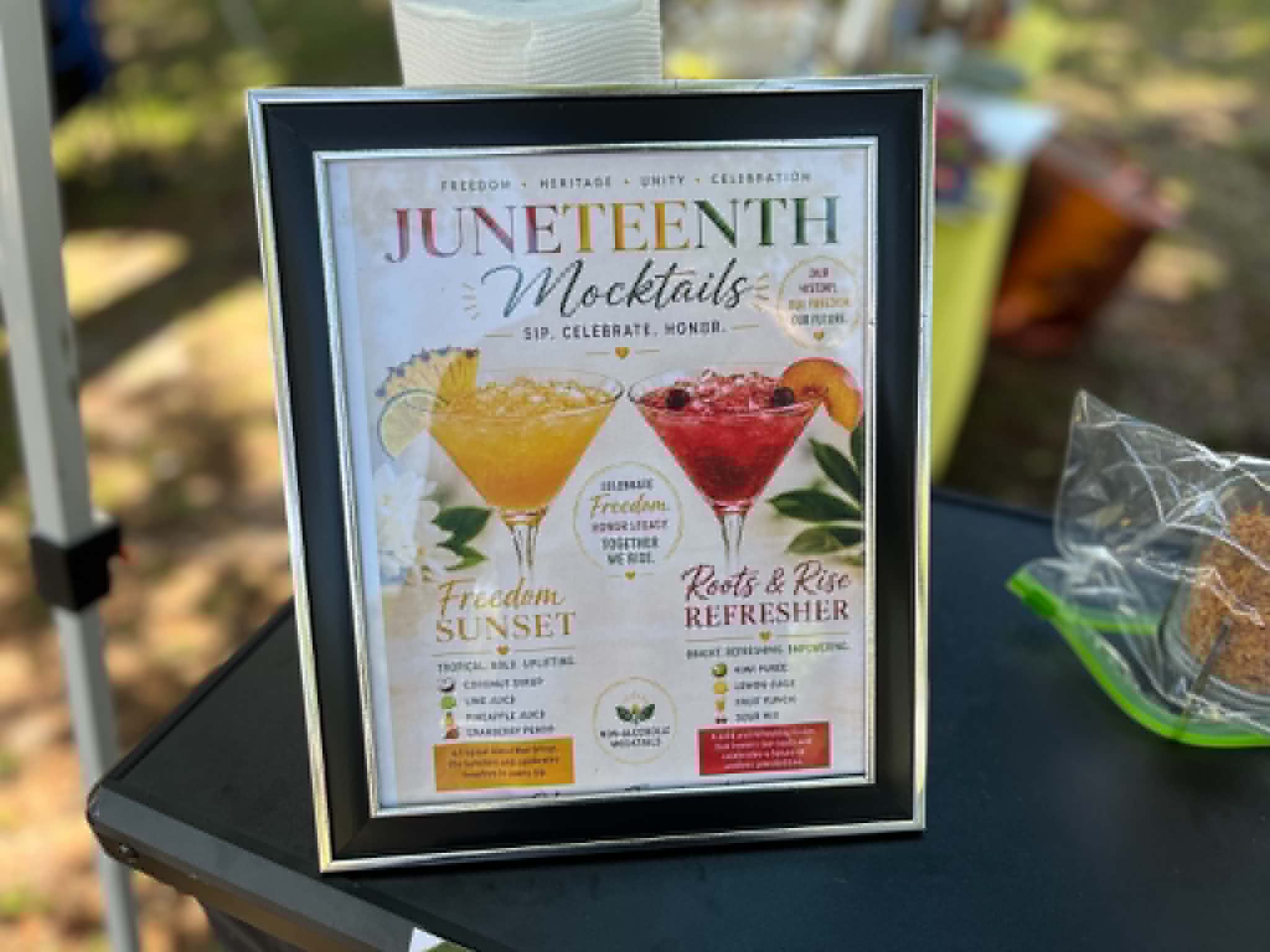
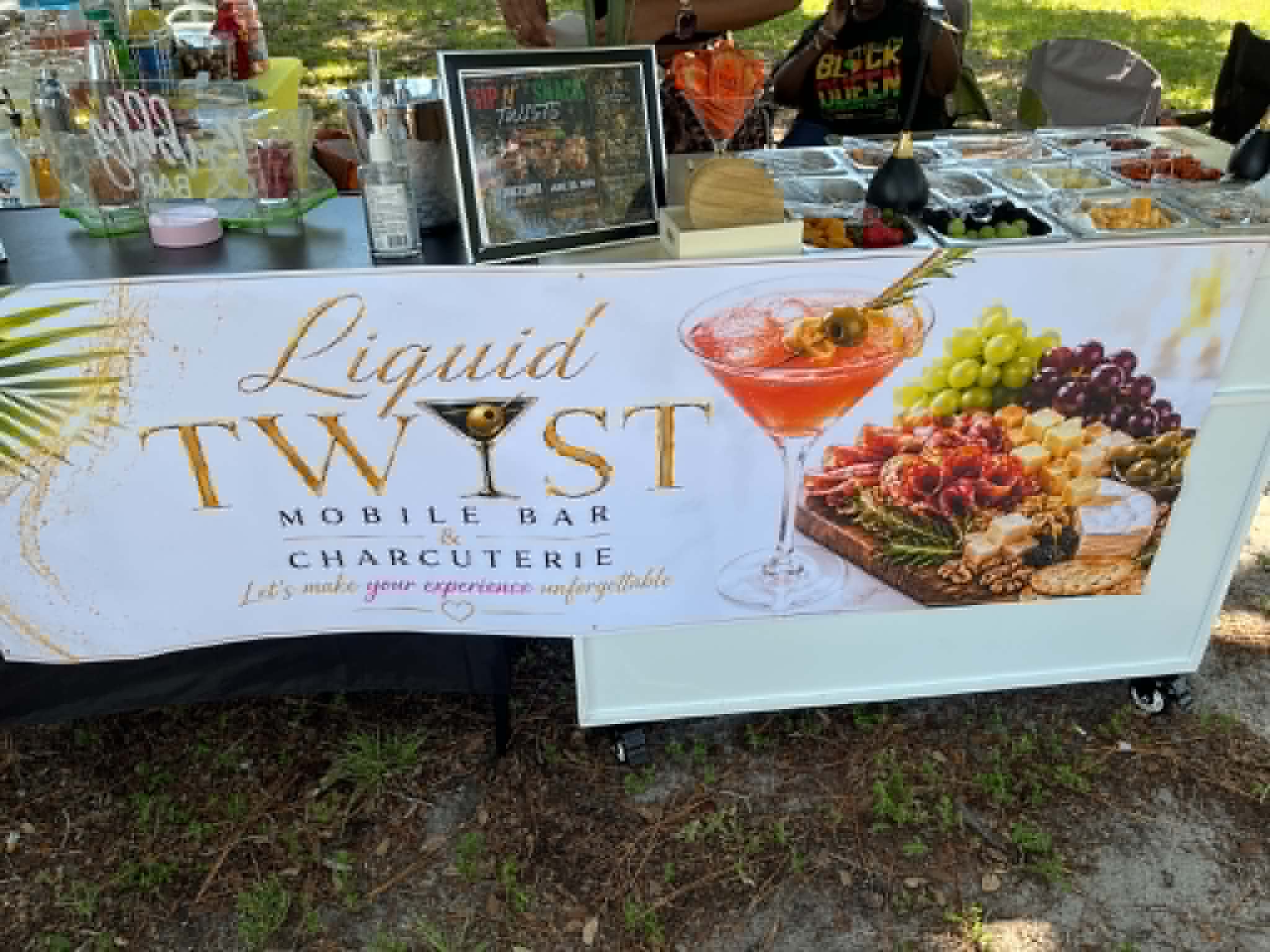
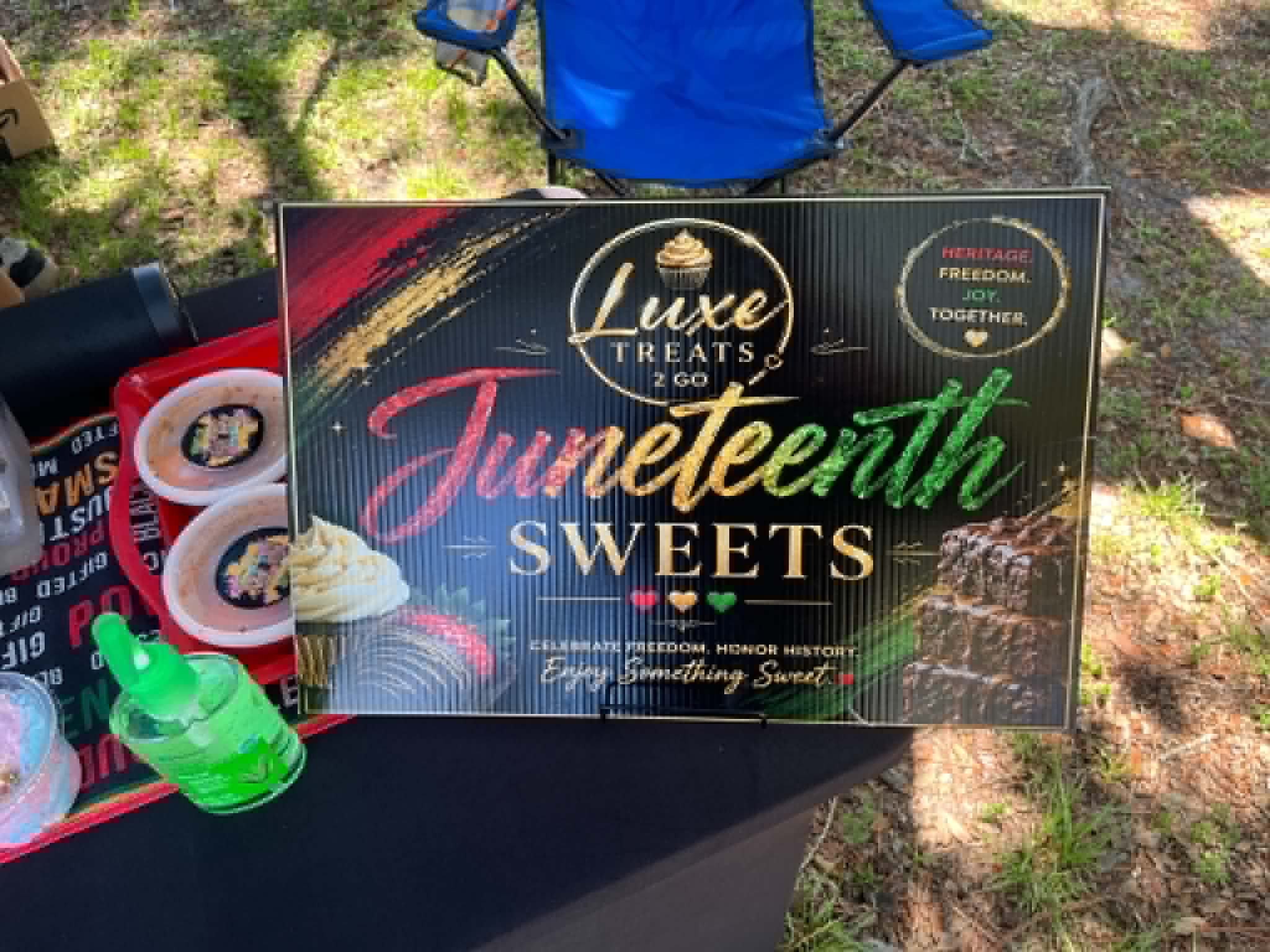
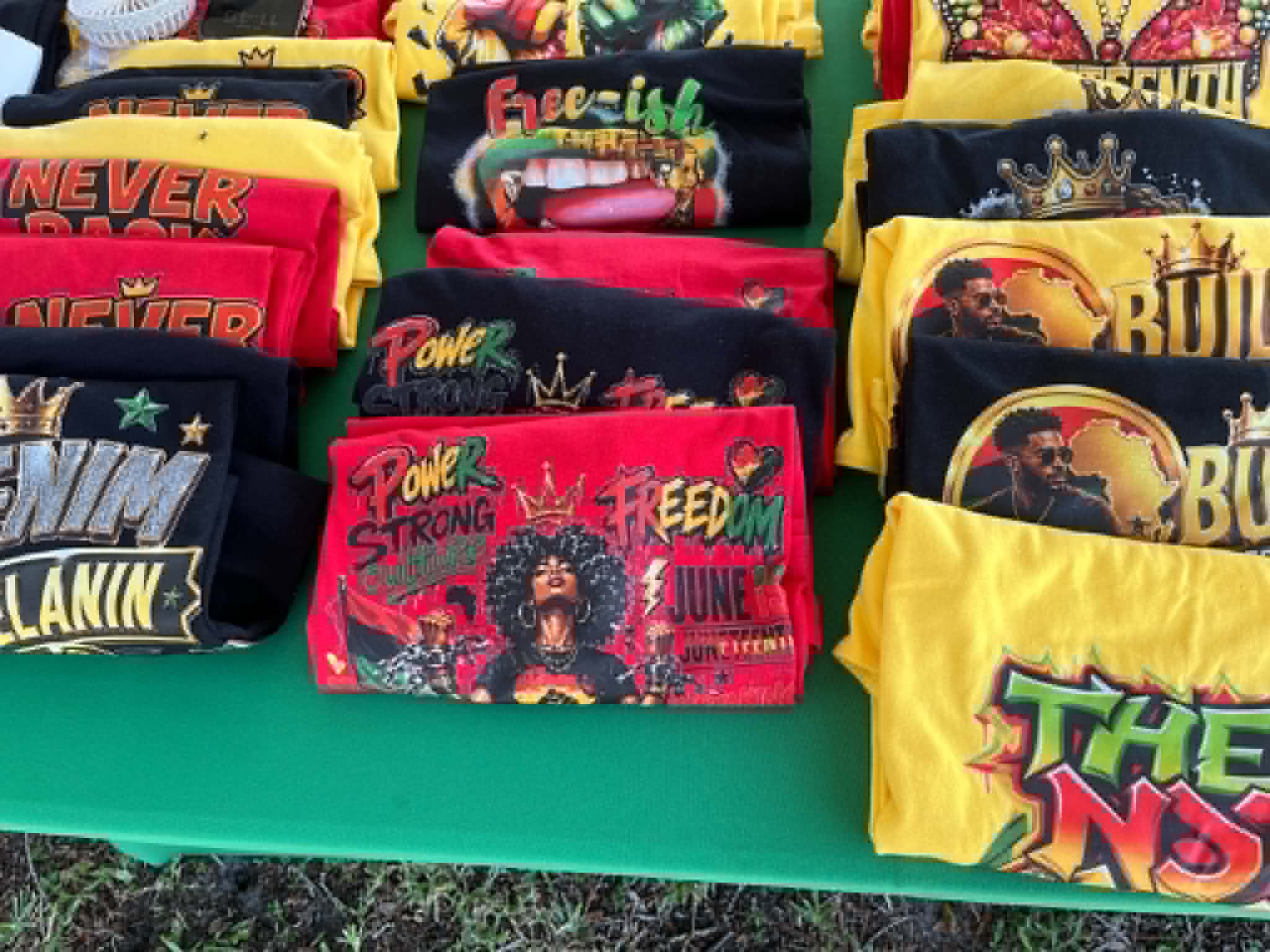
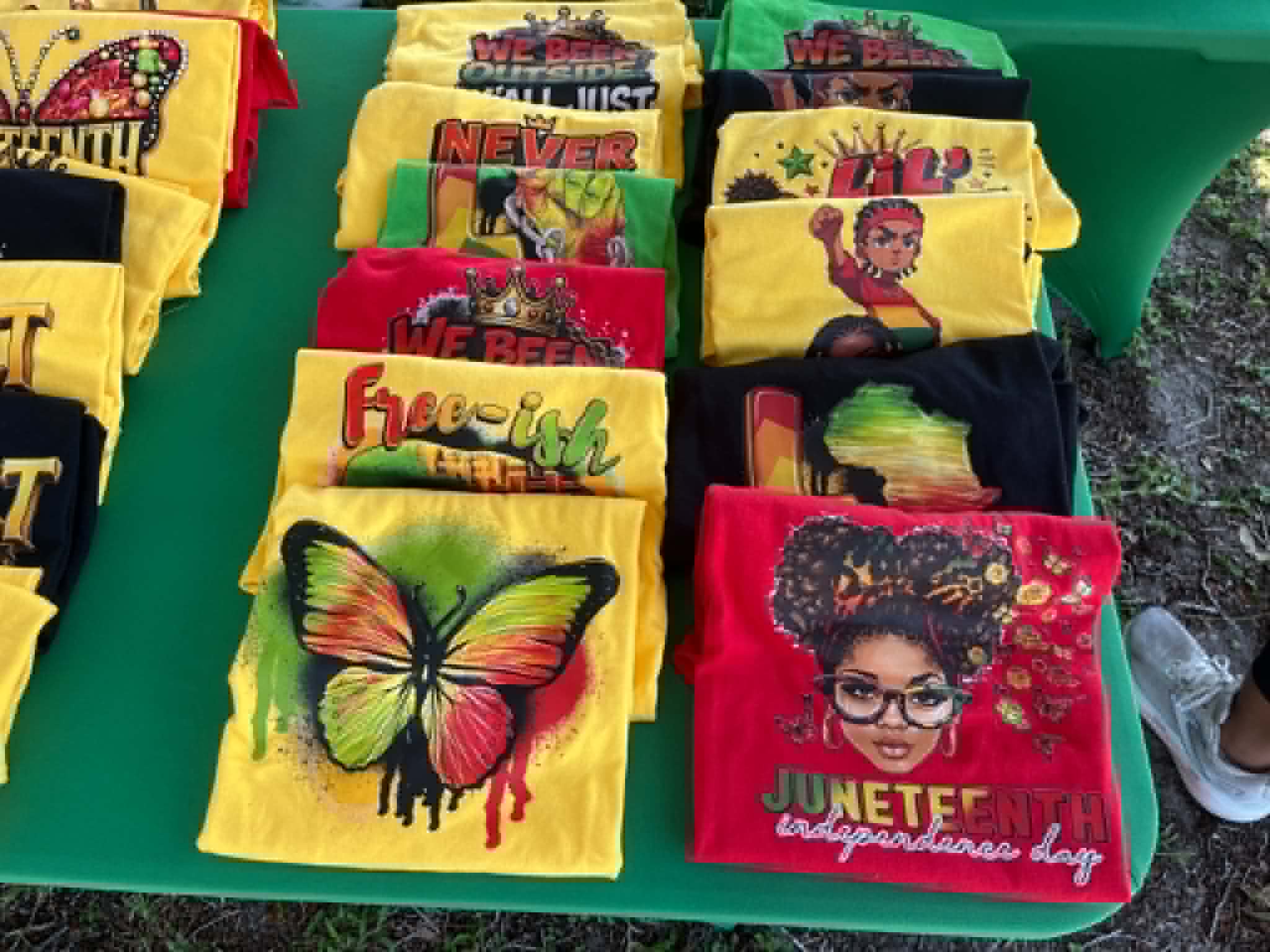
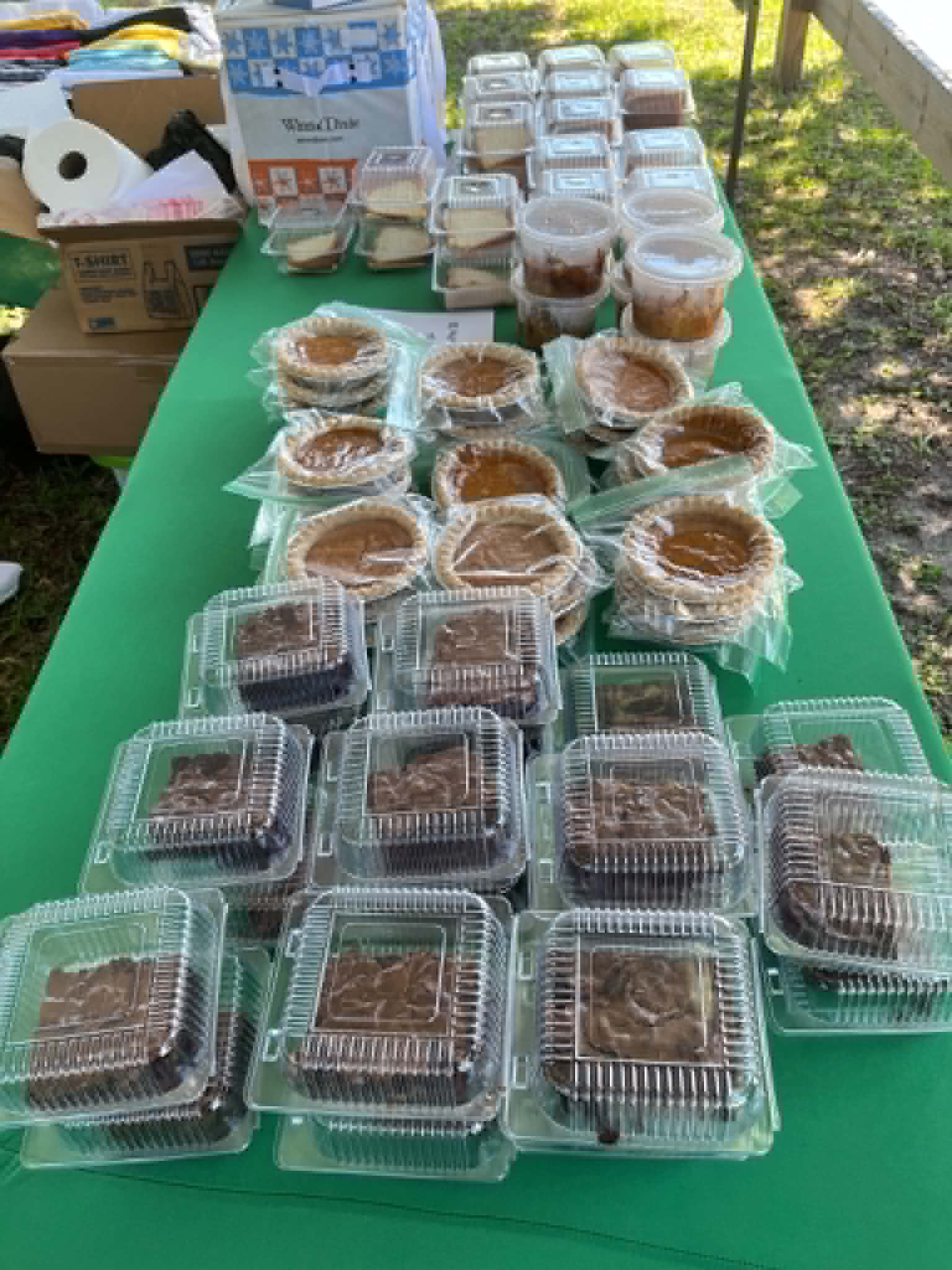
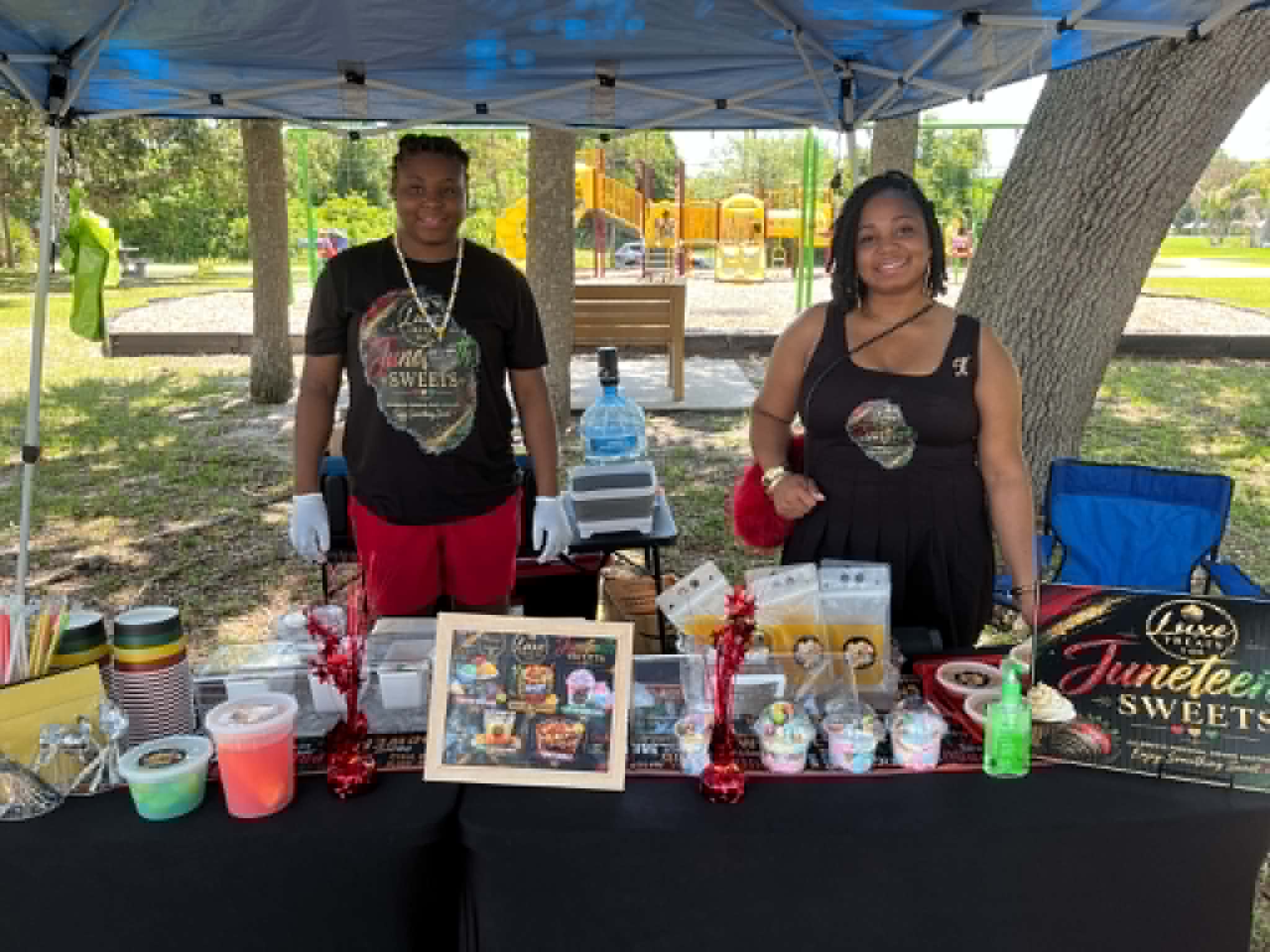
Those who went to the Juneteenth Celebration the following week enjoyed sweet treats, lemonade, barbeque, boiled peanuts, fish, soul food, blue crabs and hot dogs.
Video provided by Gifford Historical Museum and Cultural Center
Bradley said observing Juneteenth allows Americans to reflect on how to protect freedom and democracy for all people. Freedom fails to flourish where literacy is limited, she said.
“Our ability to be just and equitable is negatively impacted when what we can learn and who we can learn from is restricted,” Bradley said.
Bradley, who is featured on the documentary “Before Juneteenth: Emancipation Day” that she produced, spoke about two siblings, Harriet Ann Jacobs and John Swanson Jacobs, who were both born into enslavement in North Carolina.
The siblings later escaped bondage, became well-known abolitionists and even published autobiographies detailing their experiences in enslavement.
Harriet Jacobs published an autobiography in 1861 called “Incidents in the Life of a Slave Girl.” Her brother John Jacobs published an autobiography in 1855 called “The United States governed by Six Hundred Thousand despots.”
“We should be listening to the voices of people who endured chattel slavery in the U.S.,” Bradley said. “Both Harriet and John experienced chattel slavery.”
Bradley said abolitionists like the Jacobs, and even Frederick Douglass, called out the inhumanity of bondage.
“They illustrate the reason why slaveholders made it illegal to teach enslaved people how to read and write in the first place,” Bradley said. “Learning gave the (abolitionists) the power to read, reason and critique the systems that had taken so much away from each of them.”
Bradley said the abolitionists understood deeply that learning and reading were weapons that inspired and fueled resistance.
“Their ability to read, write, analyze and express in clear language the injustices they endured and the people who perpetuated them refuted the justifications upon which slavery had been built,” Bradley said. “Black people were not only capable of learning, but they could also exhibit mastery of it.”
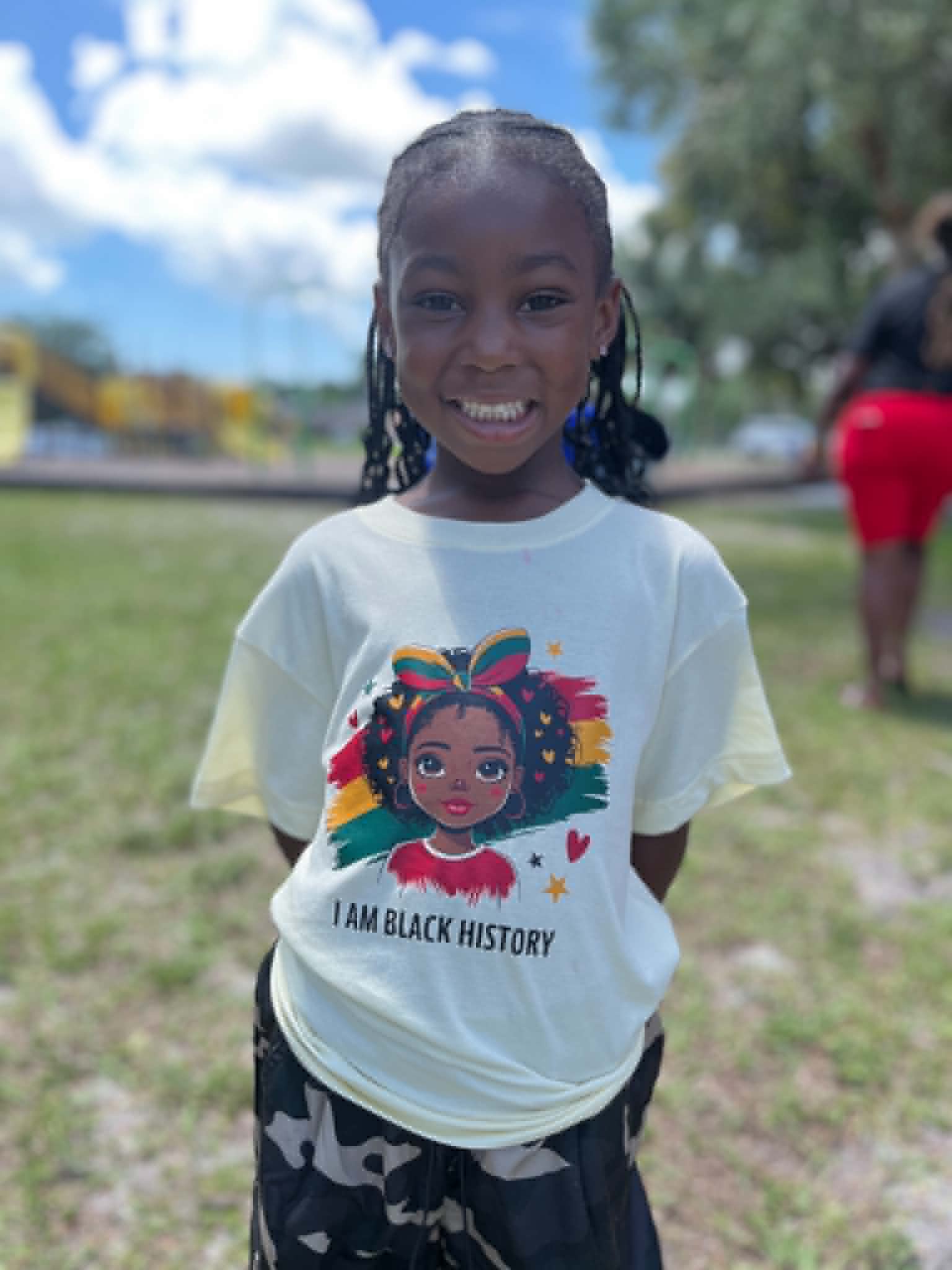
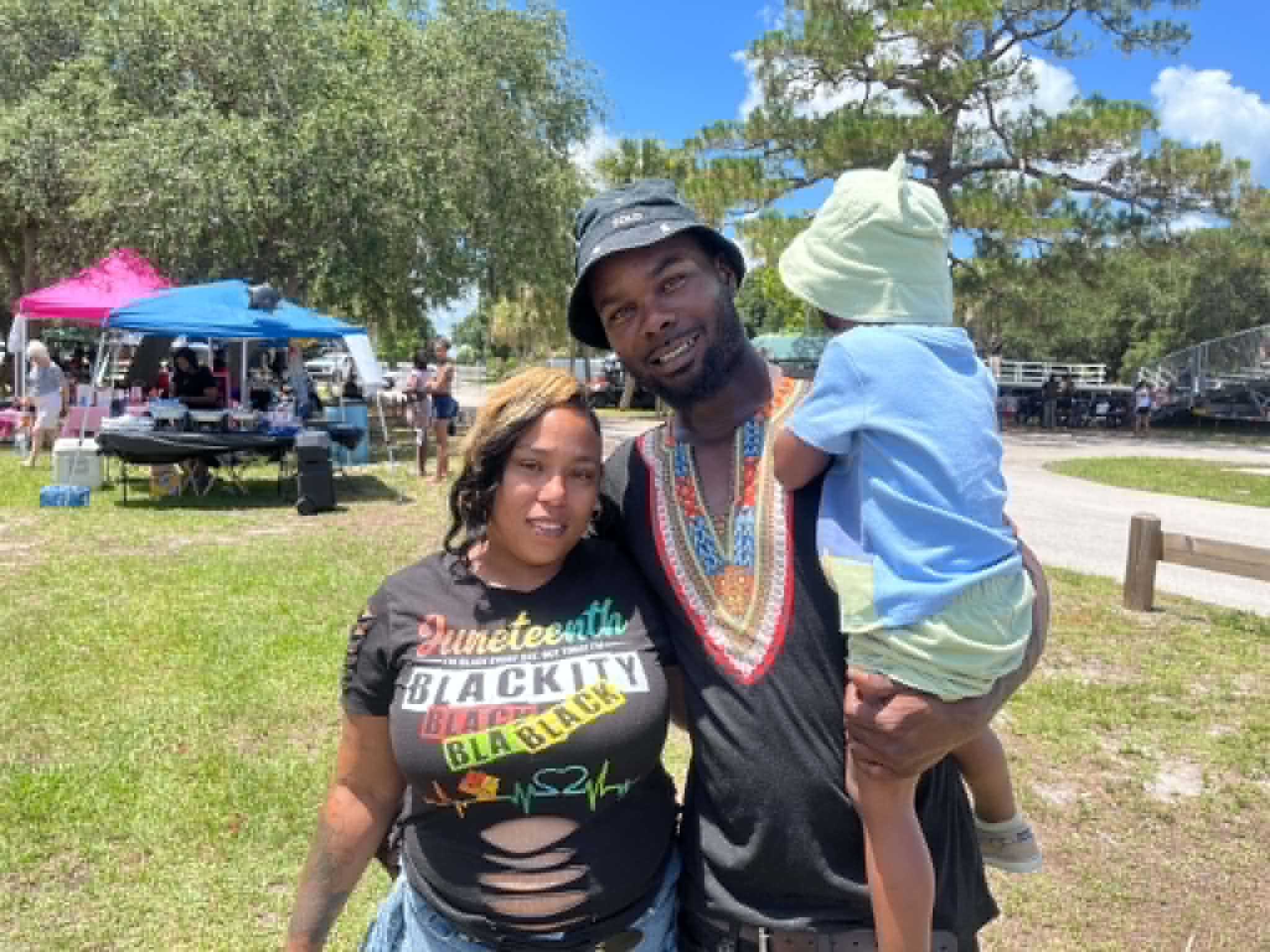
Juneteenth Celebration
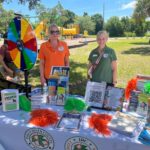
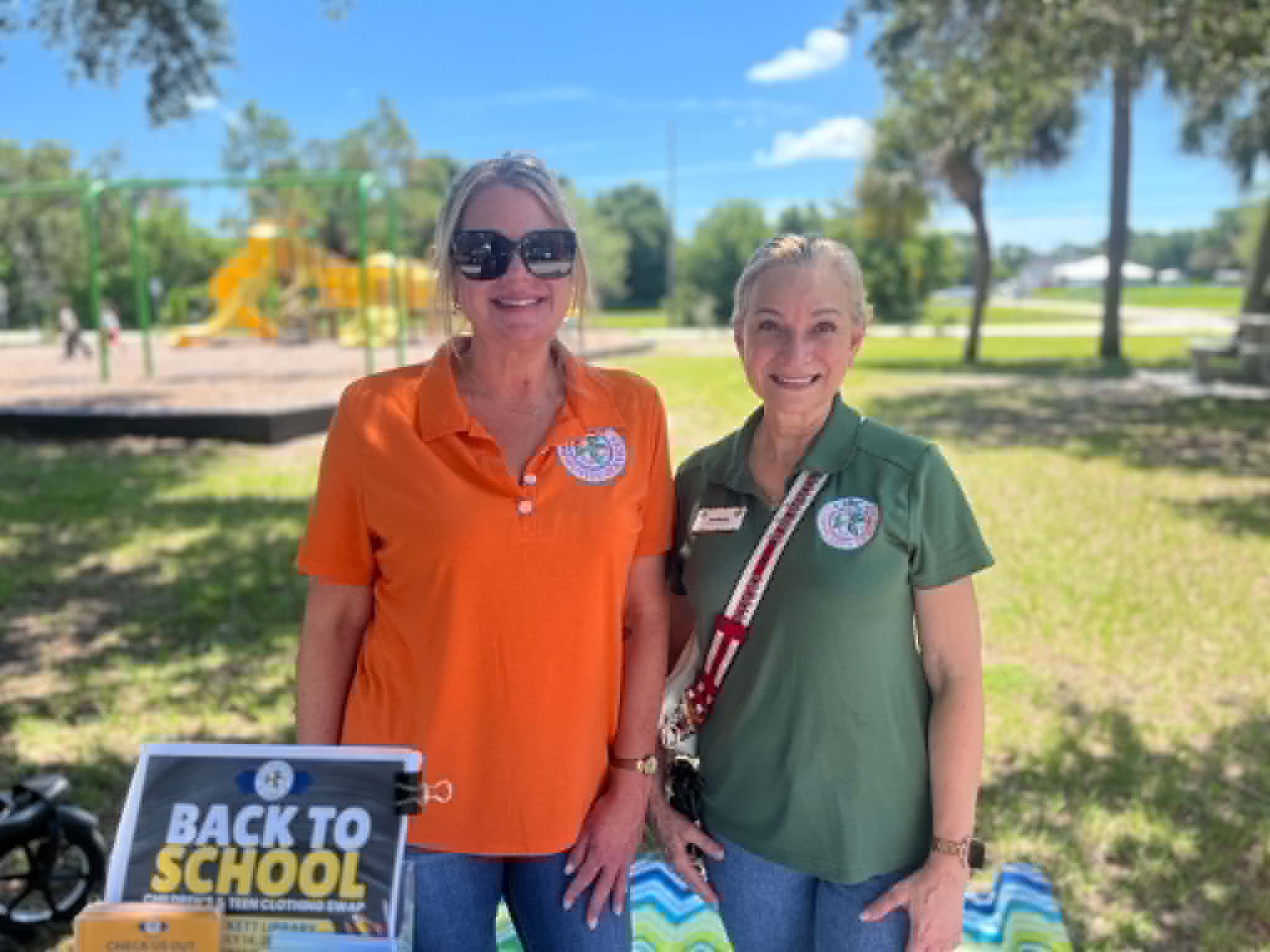
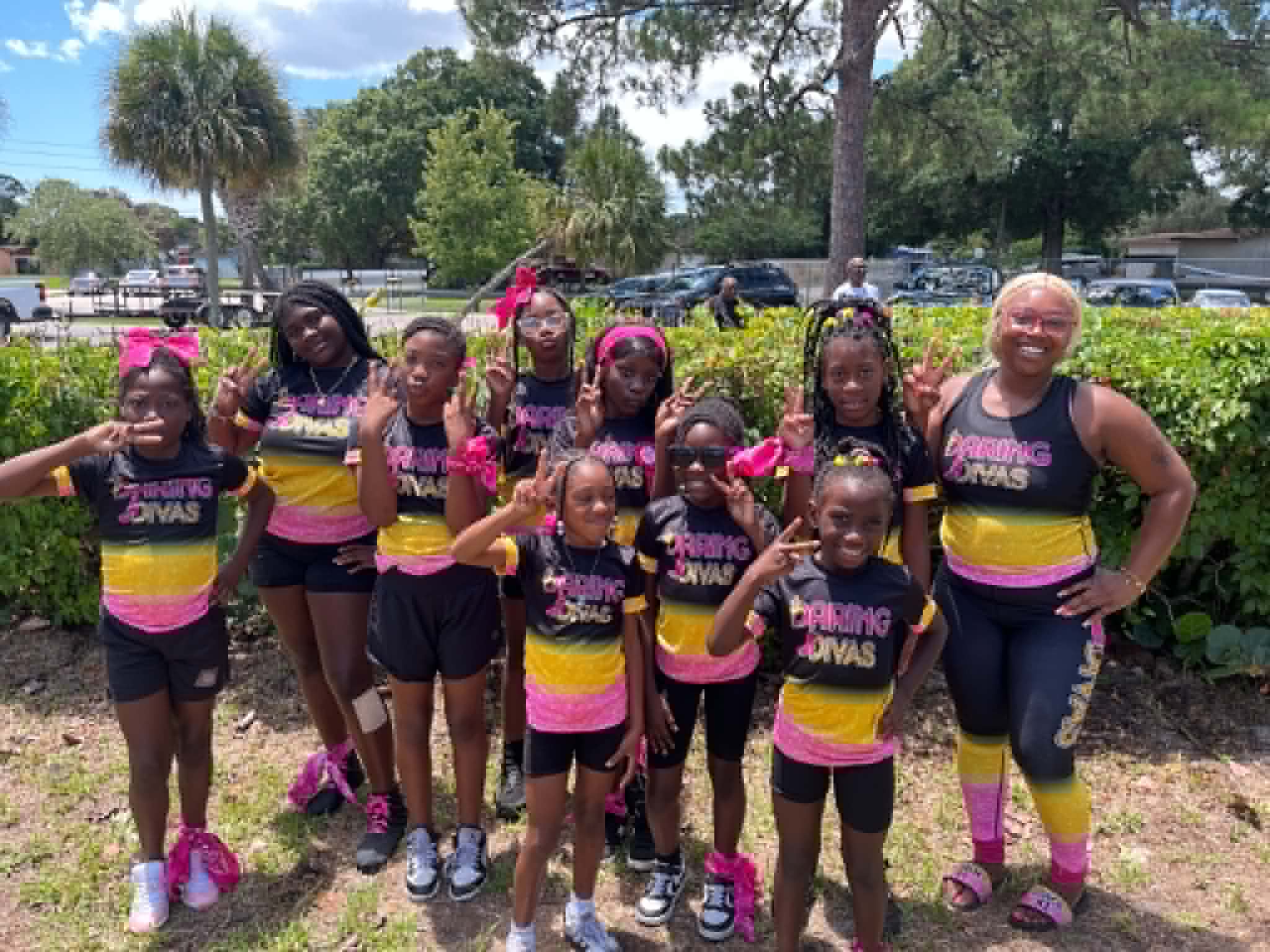
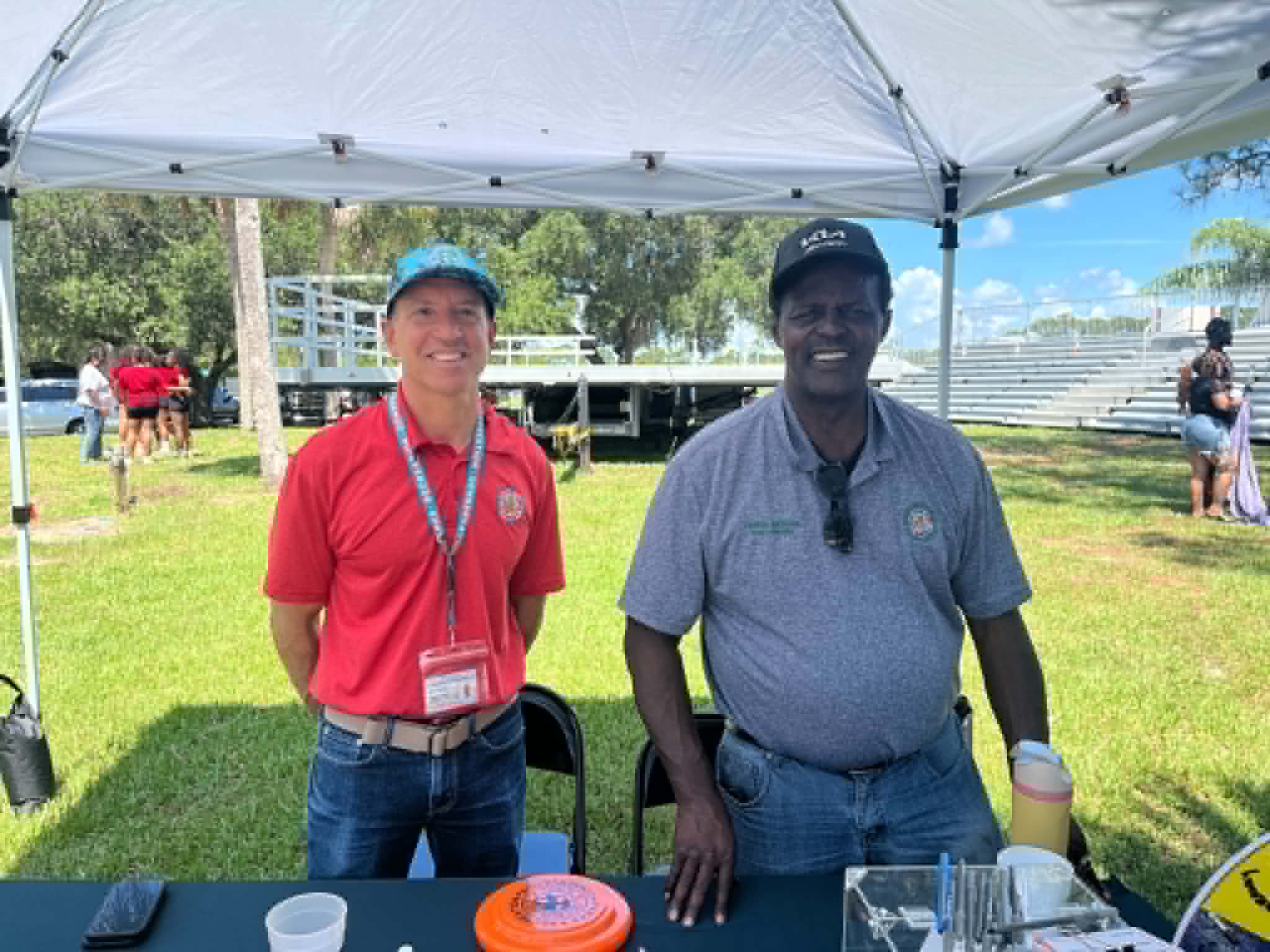
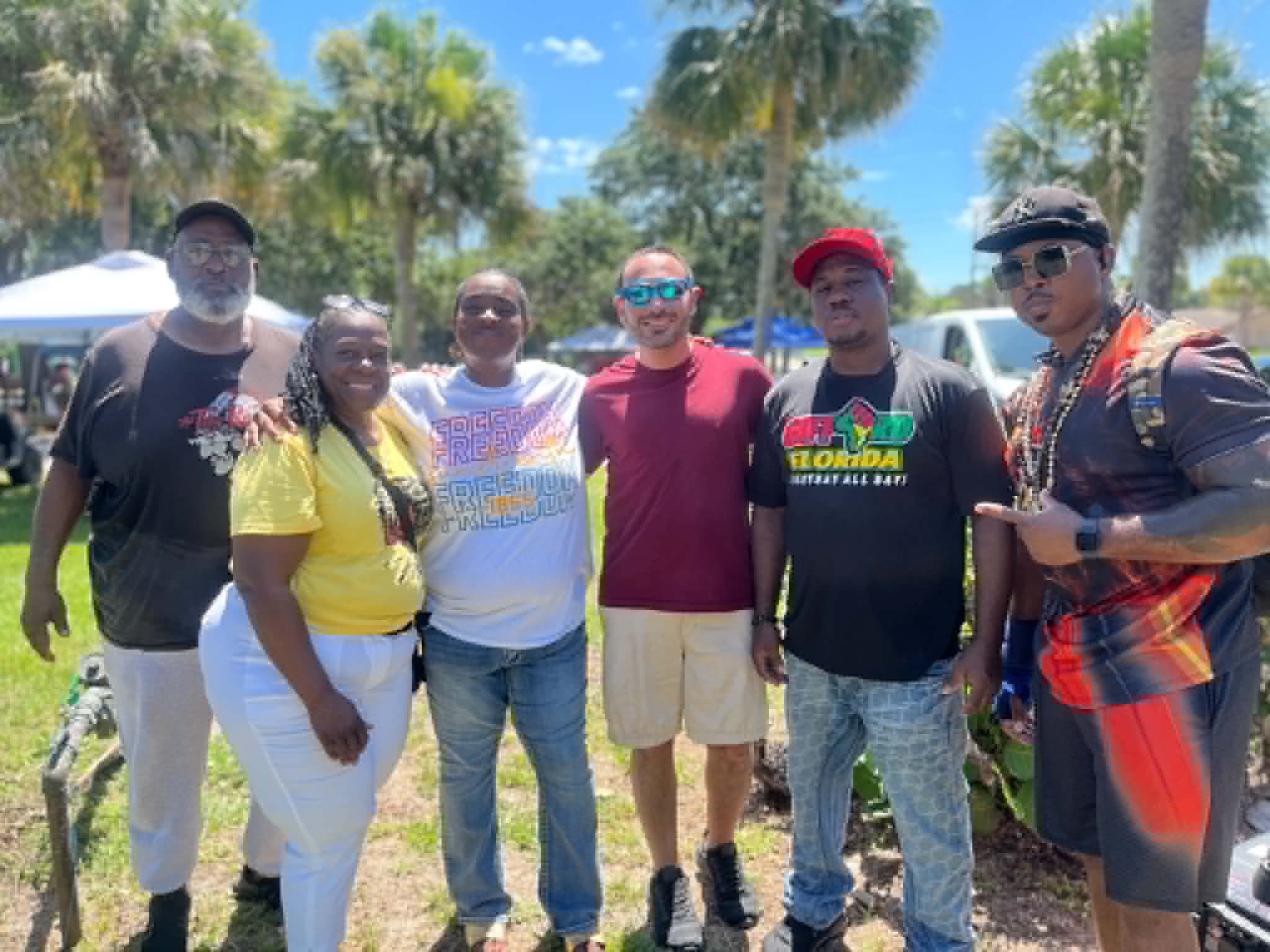
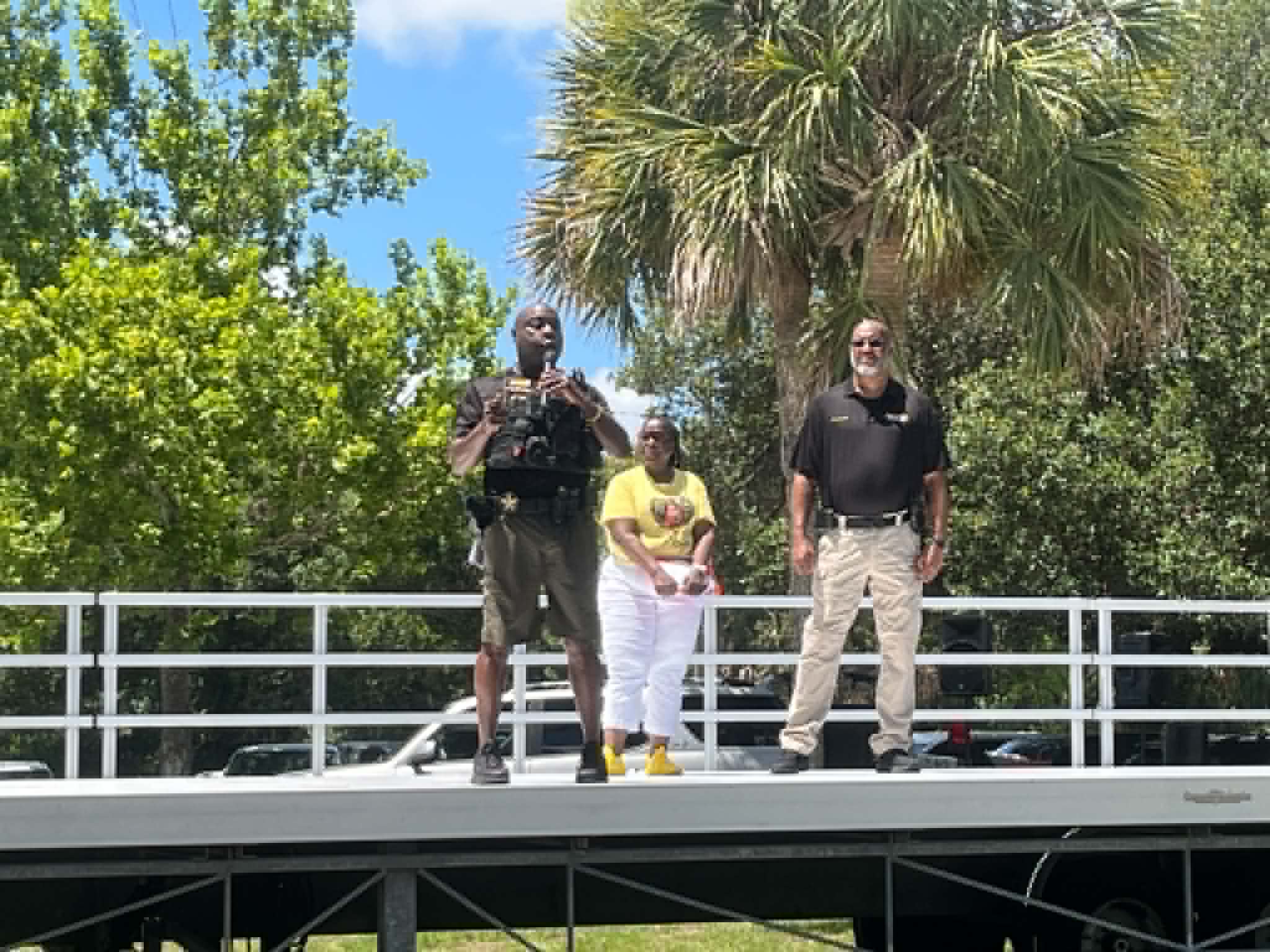
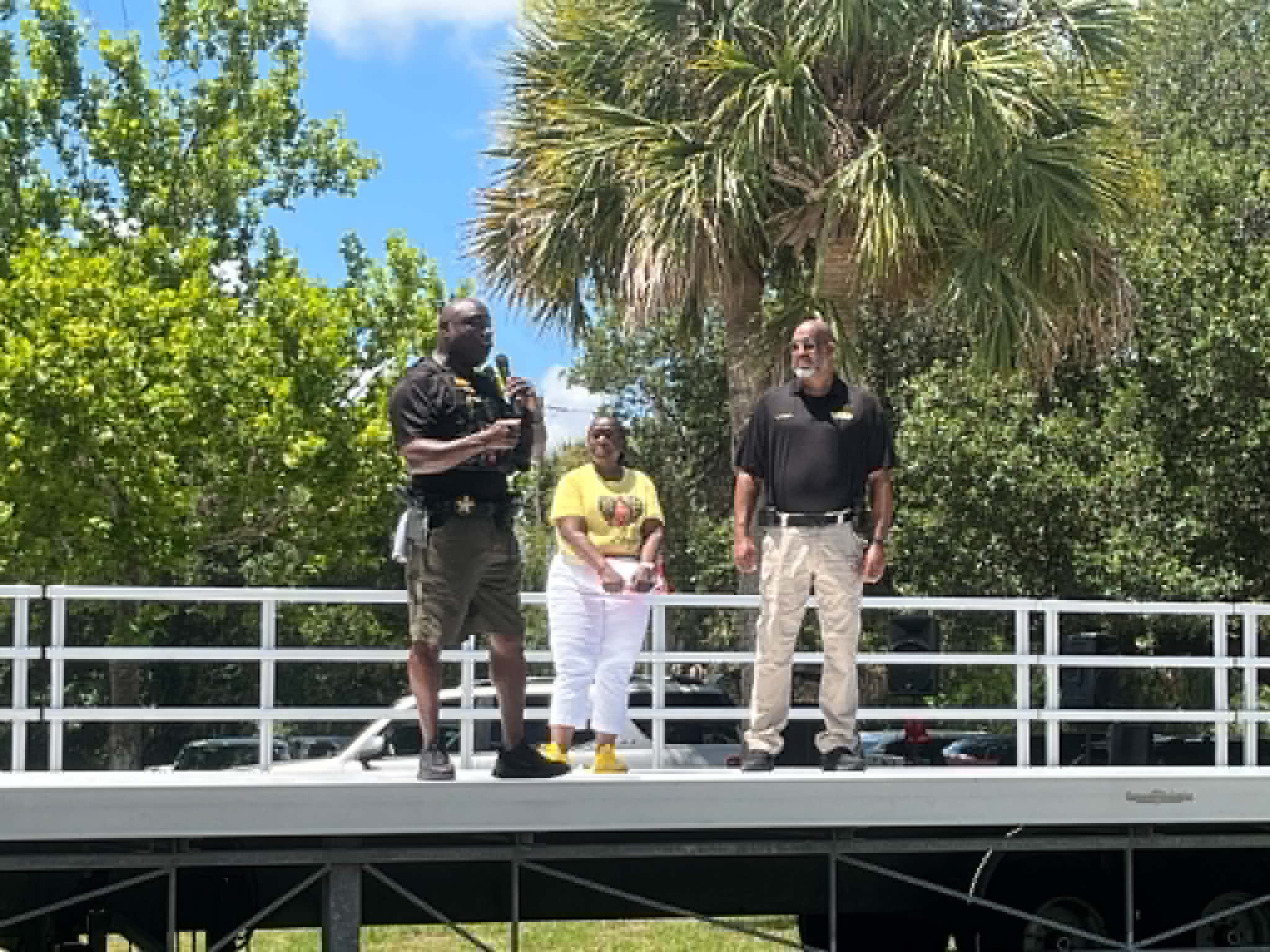
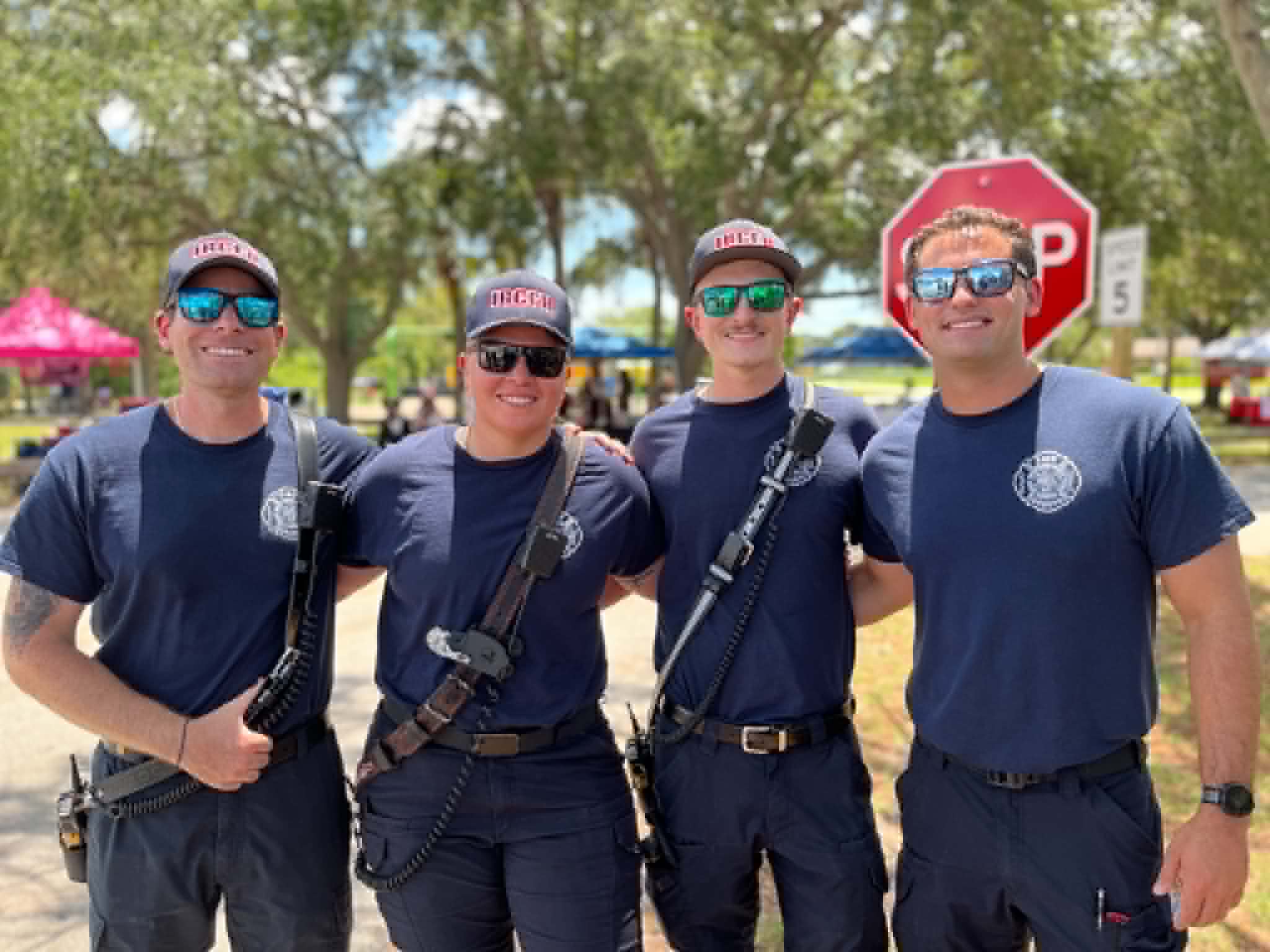
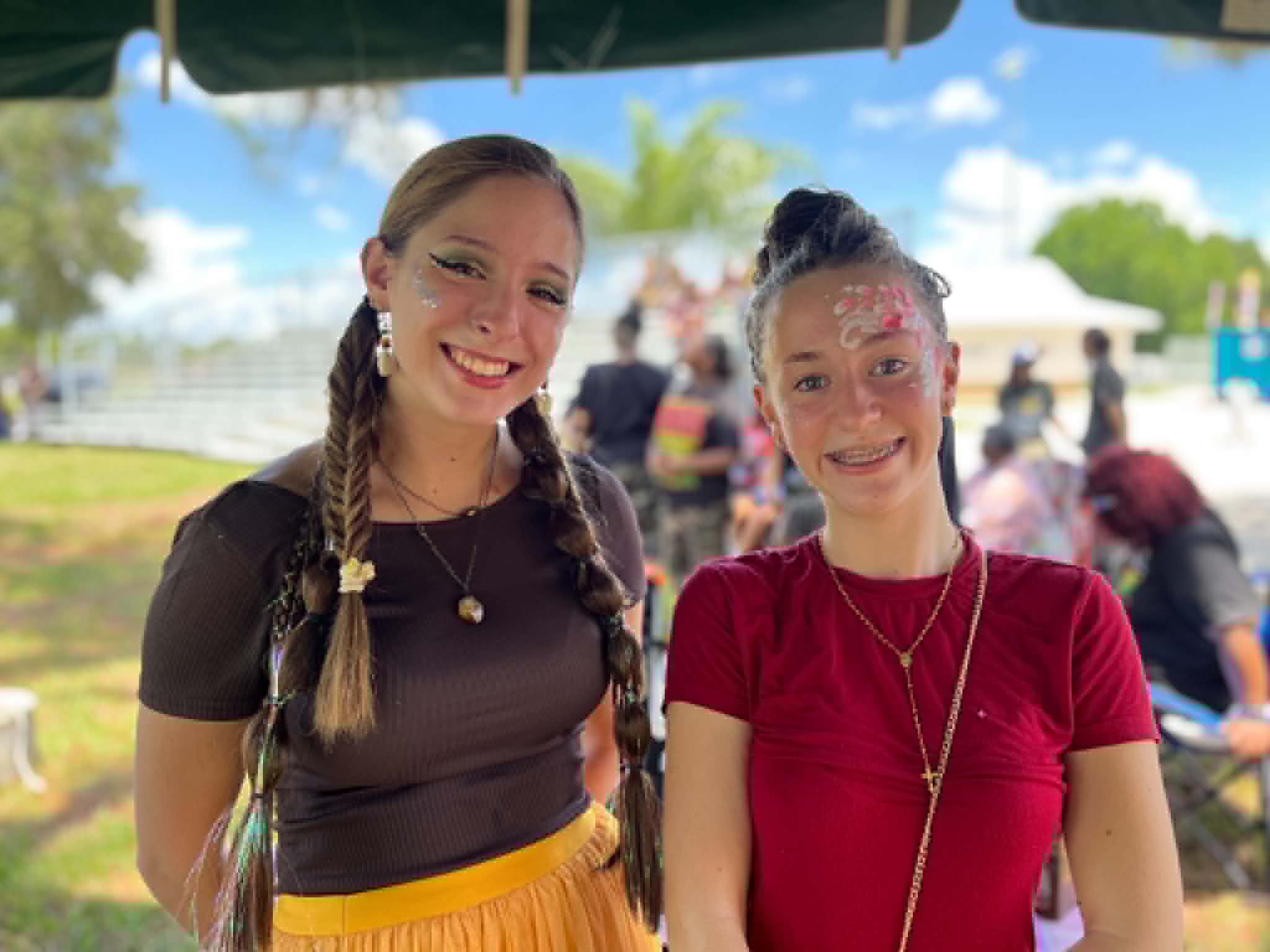
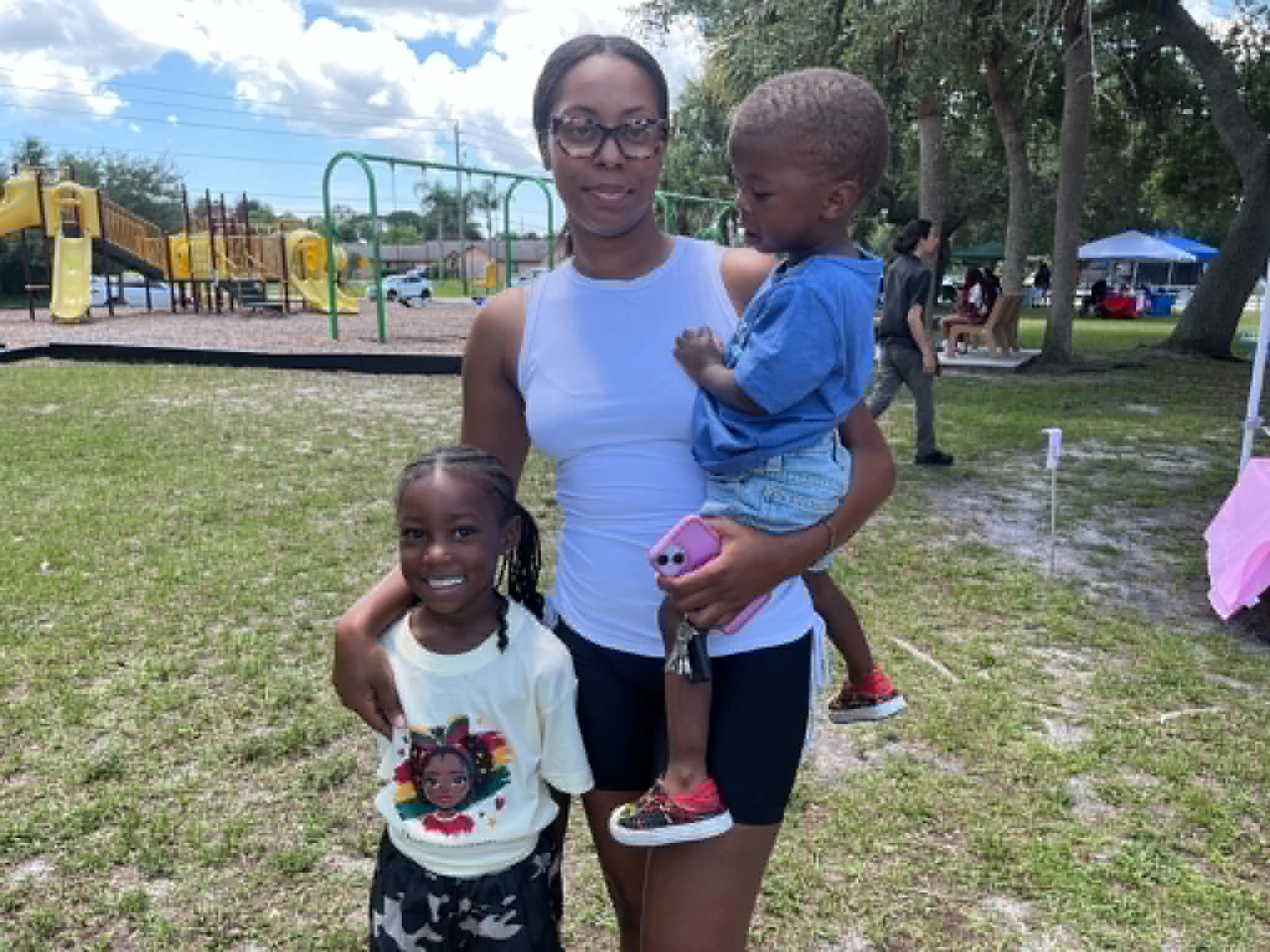
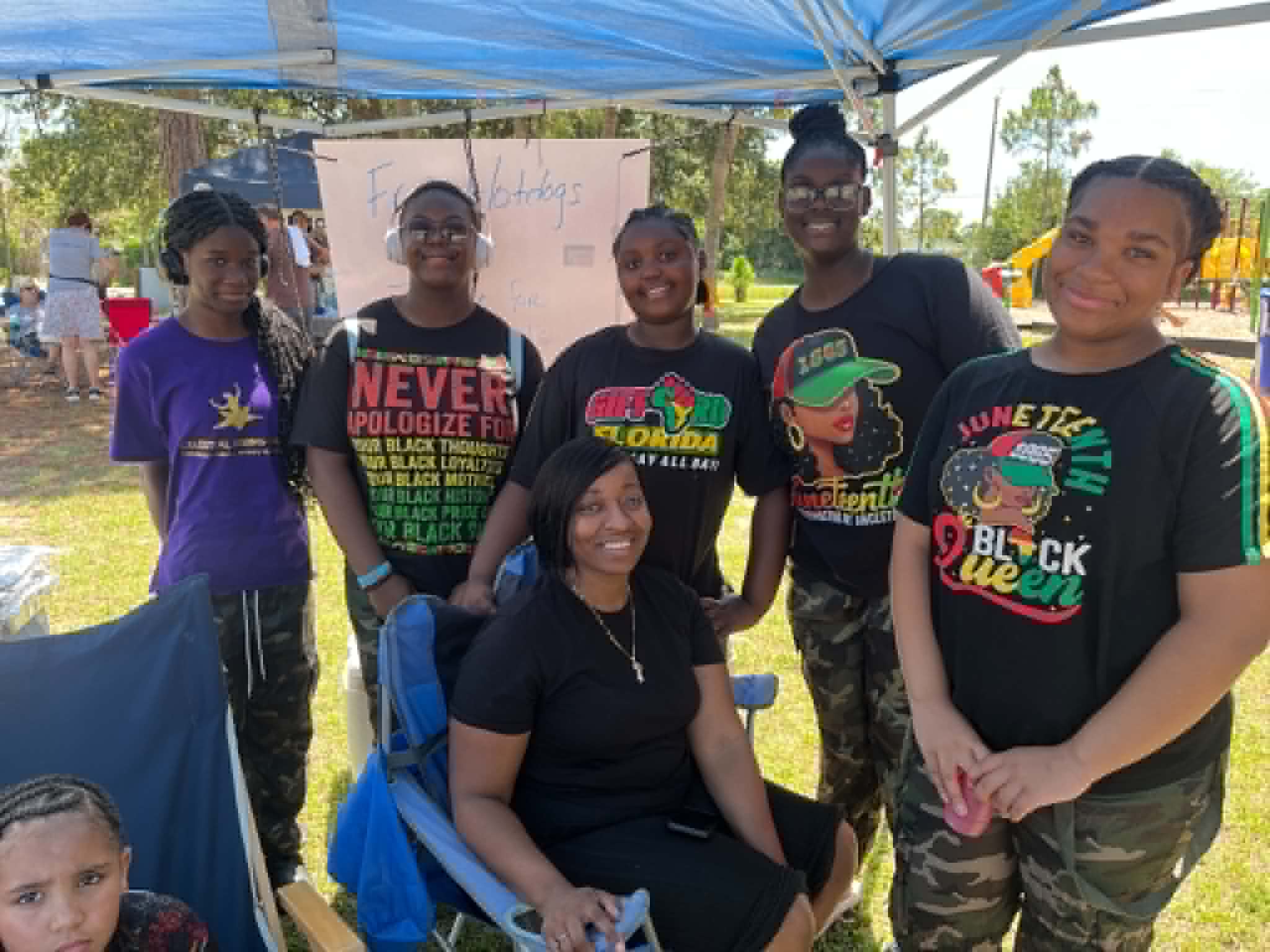
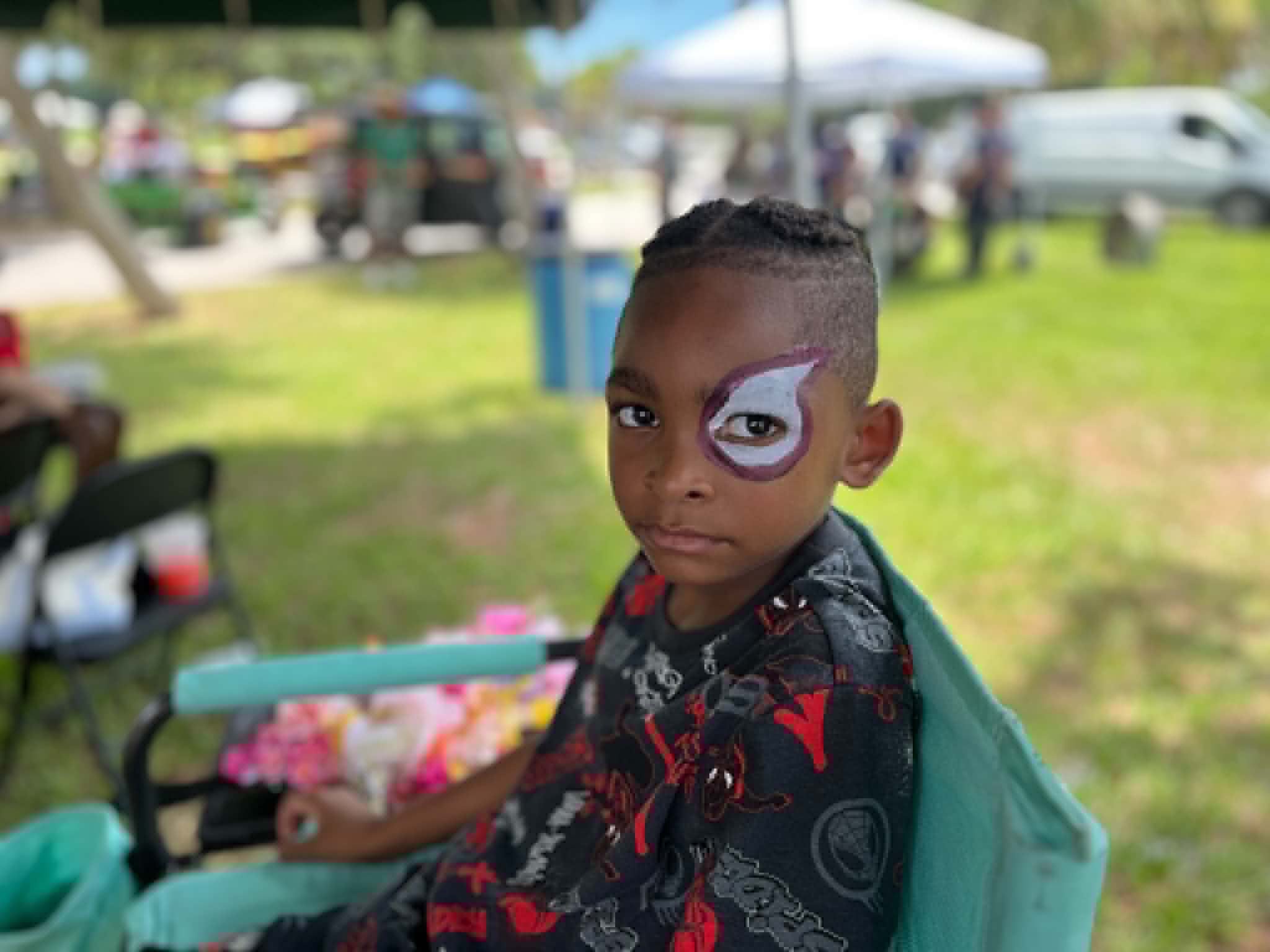
The Juneteenth Celebration was organized by T&T Community Enhancement Organization In Action and the Indian River County Parks and Recreation Department. The Gifford Aquatic Center offered free admission for the first 150 children during the event.
Terri Floyd, co-founder of T&T along with her husband Teddy Floyd, said they continue to organize the gathering every year to make sure children and adults stay educated on why it’s important to celebrate Juneteenth.
“If the slaves would have never been freed, we wouldn’t have been able to do anything. We wouldn’t have Black lawyers, teachers…none of that,” Floyd said. “(During slavery) they didn’t want us to learn how to read. Now, we can read and further our education.”
Juneteenth History
On June 19, 1865, more than 250,000 Black people in slavery across Texas were told belatedly of their freedom when General Gordan Granger arrived in Galveston and read the Emancipation Proclamation. This was more than two and a half years after the Emancipation Proclamation had taken effect.
Texas was the last state of the Confederacy to free slaves. On Dec. 6, 1865, the 13th Amendment to the Constitution was ratified and abolished chattel slavery in the U.S. and every territory under its control.
Freedom in Florida came one month earlier on what is now known as Emancipation Day. On May 20, 1865, General Edward McCook first read the Emancipation Proclamation on the steps of the Knott House in Tallahassee. The pivotal moment led to more than 60,000 Black people in enslavement in the state securing freedom.
Indian River County commissioners recognized Juneteenth and Emancipation Day as county holidays in 2024. Juneteenth, also called Freedom Day, was recognized as a federal holiday in 2021 under President Joe Biden.
-

- PHOTO BY JOSHUA KODIS

-

- PHOTO BY JOSHUA KODIS

-

- PHOTO BY JOSHUA KODIS
-
- PHOTO BY NICK SAMUEL
-
- PHOTO BY NICK SAMUEL
-

- PHOTO BY NICK SAMUEL
-

- PHOTO BY NICK SAMUEL
-

- PHOTO BY NICK SAMUEL
-

- PHOTO BY NICK SAMUEL

-
- PHOTO BY NICK SAMUEL

-

- PHOTO BY NICK SAMUEL
-

- PHOTO BY NICK SAMUEL

-
- PHOTO BY NICK SAMUEL
-

- PHOTO BY NICK SAMUEL
-

- PHOTO BY NICK SAMUEL

-

- PHOTO BY NICK SAMUEL
-

- PHOTO BY NICK SAMUEL
-

- PHOTO BY NICK SAMUEL
-
- PHOTO BY NICK SAMUEL
-

- PHOTO BY NICK SAMUEL

-

- PHOTO BY NICK SAMUEL
-
- PHOTO BY NICK SAMUEL
-
- PHOTO BY NICK SAMUEL

-
- PHOTO BY NICK SAMUEL
-

- PHOTO BY NICK SAMUEL

-

- PHOTO BY NICK SAMUEL

-
- PHOTO BY NICK SAMUEL
-

- PHOTO BY NICK SAMUEL

-
- PHOTO BY NICK SAMUEL
-
- PHOTO BY NICK SAMUEL
-

- PHOTO BY NICK SAMUEL
-
- PHOTO BY NICK SAMUEL
-

- PHOTO BY NICK SAMUEL

-

- PHOTO BY NICK SAMUEL
-

- PHOTO BY NICK SAMUEL
-
- PHOTO BY NICK SAMUEL

-
- PHOTO BY NICK SAMUEL
-

- PHOTO BY NICK SAMUEL
-
- PHOTO BY NICK SAMUEL

-
- PHOTO BY NICK SAMUEL
-

- PHOTO BY NICK SAMUEL
-
- PHOTO BY NICK SAMUEL
-

- PHOTO BY NICK SAMUEL

-

- PHOTO BY NICK SAMUEL
-

- PHOTO BY NICK SAMUEL
-
- PHOTO BY NICK SAMUEL
-

- PHOTO BY NICK SAMUEL
-

- PHOTO BY NICK SAMUEL
-
- PHOTO BY NICK SAMUEL

-

- PHOTO BY NICK SAMUEL