The real work of joint replacement doesn’t begin in the operating room, it often starts weeks earlier in a physical therapy clinic, with exercises that look simple but have real effect. For patients preparing for orthopedic surgery, this phase is known as “prehabilitation,” or “prehab,” and it’s increasingly recognized as a key step toward a smoother, faster recovery.
Joint replacement surgeries have become more common as people live longer and seek to stay active. At the same time, surgical techniques have improved greatly but outcomes still depend heavily on what patients do before and after the procedure. Prehab focuses on strengthening the muscles around the joint, improving flexibility, and preparing the body for the stress of surgery. It also helps patients understand what recovery will involve.
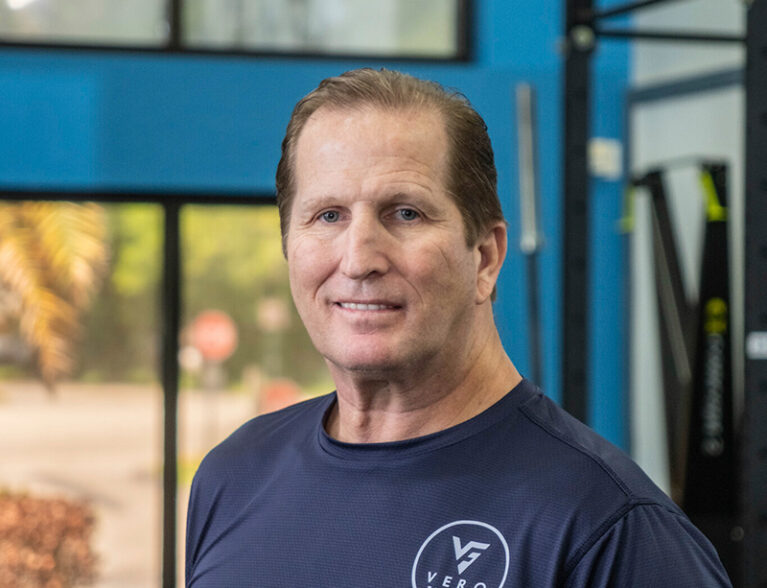
“The goal is to keep the blood flow through the area,” said Larry Burgick, a certified personal trainer at Vero Fitness. “We really don’t want to limit this just to joint replacement – I’ve worked with people who have had hernias and doctors have recommended them to do some light work until their surgery.”
Patients who participate in prehab often enter surgery stronger and more confident. That strength can lead to better mobility early in recovery, and familiarity with exercises can make post-surgical therapy feel less intimidating. In some cases, prehab may even reduce hospital stays.
The exercises themselves target key muscle groups. For knee surgery, that includes quadriceps, hamstrings and calves. For hip surgery, the focus shifts to the glutes, hip flexors and core.
Flexibility and range of motion are also essential, since stiffness before surgery can make recovery more difficult.
“Having worked in the business since the 1980s, I understand movement patterns, and if someone has limited movement patterns that is one of the first things we want to work on. It’s never too late to retrain movement patterns,” Burgick assured. “As far as knee, hip and ankles, everything originates in your hips so by strengthening the hip you’ll see an elongated effect and by being stronger, you’re likely to live longer.”
Timing plays an important role. Ideally, patients begin prehab several weeks before surgery, but even a shorter program can help. Physical therapists tailor routines to each individual, considering age, fitness level, pain and underlying conditions. The goal isn’t to exhaust patients, but to build a solid foundation for healing.
“Oxygenated blood flow helps heal our body, so improving blood flow is going to make surgery go a lot easier,” Burgick said. “Many of my clients have become sedentary because they have pain and they think that just resting before surgery is beneficial, when in fact the exact opposite is true.
Improving their strength and flexibility will not only make the surgery easier but it will expedite the recovery process.”
Prehab also provides mental preparation. Surgery often brings anxiety, but understanding what to expect, how to move, how to manage discomfort, and how progress unfolds can ease that uncertainty. Patients who feel prepared are often more engaged in their recovery.
“Even something as simple as knowing the person will be on a walker initially makes a difference,” Burgick continued. “When my mother had knee surgery I knew she would be on a walker for the few days, so I helped her build up her upper body strength so she could navigate with the walker safely.
“Each client is unique and I spend a lot of time working with their individual mobility and movement. I watch them walk, sit and get up out of a chair. It will all be harder after surgery, so we try to strengthen those muscles before the surgery, and I teach them how to regain their mobility without the pain.”
After surgery, rehabilitation begins almost immediately, sometimes within hours. Early movement is essential to prevent complications like blood clots, reduce stiffness, and begin restoring function.
In the first few weeks, the focus is on reducing swelling, managing pain and improving basic mobility. Patients practice standing, walking and getting in and out of a chair after ankle, knee or hip surgery. These small steps are critical building blocks for more advanced movement.
Recovery timelines vary. Knee replacements often require more intensive rehabilitation because of the joint’s complexity and the need to regain range of motion – although improved techniques and materials are making recovery quicker and easier. Hip replacements may allow for quicker progress in mobility, though they still require consistent effort.
A major challenge during recovery is balancing effort with caution. Patients need to push enough to improve, but not so much that they risk injury.
“I can look at a person and tell if there is a mechanical issue; if the shoulder’s raising too high, if the toes are pointing out, or if the knee is extending too far,” said Burgick. “That’s why both pre- and post-therapy should be individualized and not in a group setting. A physical therapist will adjust exercises and monitor for signs of overuse, such as increased swelling or persistent pain.”
Consistency is one of the most important factors in successful rehabilitation. While in-clinic sessions provide structure, much of the work happens at home. Patients are typically given daily exercises to build strength, improve flexibility and reinforce movement patterns. Skipping exercises can slow recovery, while staying committed can significantly improve outcomes.
Pain management is another key element. Some discomfort is normal, but therapists help patients distinguish between typical soreness and signs of a problem. Techniques like ice, elevation and controlled movement are often used alongside medication to keep pain manageable.
As recovery progresses, therapy shifts toward restoring normal function. Patients work on walking without assistance, climbing stairs and returning to daily activities. For many, the goal is not just pain-free movement, but a return to golf, swimming or gardening.
Technology plays a growing role in rehabilitation. Virtual therapy sessions and wearable devices can help track progress and provide support, though experts emphasize that these tools work best alongside professional guidance.
Successful joint replacement isn’t just about the procedure itself. It’s about the work before and after; the steady effort to rebuild strength, restore movement and regain independence. That journey begins long before surgery, with a simple idea – the better prepared you are going in, the better your odds of regaining your health, strength and independence.
Larry Burgick is certified through the American College of Sports Medicine and is a Master Trainer of Dynamic Variable Neuromuscular Stimulation along with Russian Kettlebell Certifications. He specializes in prehab and rehab of joint replacements. He works at Vero Fitness, 1060 6th Ave. Call 772-567-1400 to schedule a consultation.