People are terrified of contracting cancer, but if you get that diagnosis, there are ways to build resilience and strength even while going through treatment.
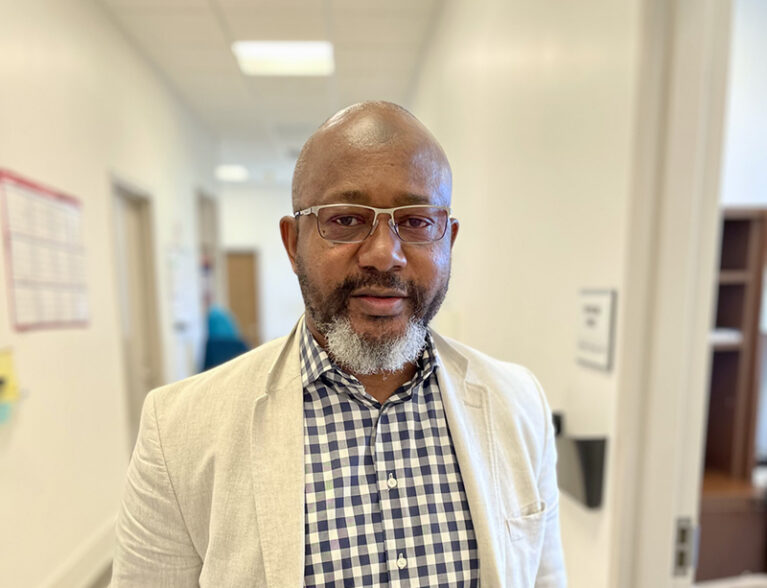
“Resilience in the face of cancer is basically all about coping,” said Dr. Moussa Sissoko, oncologist with Cleveland Clinic Indian River Hospital. “Coping mitigates anxiety and depression. For a long time, the cancer world didn’t really address the emotional toll the disease takes on patients, but a patient’s mental wellbeing can make the difference between a full recovery or relapse.”
Ours can be a very individualistic society where everything revolves around me and my immediate family, but that approach is not enough when facing a dreaded disease. Having good social support can be just as important as the right medicine in terms of recovery.
“Nature has taught us that good social support is the most important part,” he said. “Just look at the bees and the ants which are also social beings like us. If you study them, you see how they care about each other and how they care about the individual who has problems. When you observe ants and bees, you’ll see that when one of their tribe gets hurt … the others will pick them up and take them away to either help them heal. So just like other social beings in nature, we as humans need that social factor.”
If you don’t feel like you have a strong support system, you can join one of the cancer survivor support groups offered at Cleveland Clinic Indian River Hospital. Sharing fears and successes with fellow cancer patients is empowering and comforting. At the same time, it’s important to protect your emotional energy, by setting boundaries with people or conversations that drain you.
Knowledge is power when fighting cancer, and asking your physician early and often can help you prepare for the next chapter. Understanding your diagnosis, treatment plan and side effects reduces fear and builds confidence. Track appointments, symptoms, medications and questions in a notebook to get a sense of control in a chaotic time.
Eat well, hydrate, rest and organize daily logistics, including rides, meals and childcare ahead of time. Life can seem overwhelming after treatment begins, so preparation is essential. Accept help and let people show up in their own way, whether it’s emotionally or practically, because saying yes in the moment can save you from exhaustion later.
But even with good social support and preparation, depression often creeps in, with patients assailed by anxiety and hopelessness, wondering “why me?” or “how long will this last?” To top it off, the side effects of medications and other treatments sometimes make depression worse.
“Oncologists screen for depression and will treat it with anxiety medication, if necessary,” Dr. Sissoko continued. “There are holistic ways to treat depression that we try, too, such as yoga, acupuncture, massage therapy, CBD and herbs, all available at our cancer center. The patient shouldn’t self-medicate, however, because some herbs will interact negatively with chemotherapy.
Always consult your doctor before taking anything, even if it’s labeled natural.”
Positive thinking has extraordinary healing power. Positivity isn’t pretending everything is fine. It’s allowing hope to exist alongside fear. Focus on what you can control, such as today’s meal or exercise, because small mindset shifts matter and reduce overwhelm.
Celebrate small wins, even if it’s just getting out of bed that morning, and give yourself permission to feel low. Emotional honesty often leads to stronger resilience than forced optimism.
“Keep the faith,” Dr. Sissiko said. “People who have a higher power do much better. There’s a saying we use in my native Africa that ‘prayer is the weapon of the believer,’ so harness the power of prayer to lift you up and enhance your healing.”
Numerous scientific studies have found that faith can be a source of strength, peace and hope.
Prayer, meditation and spiritual reflection help people cope with uncertainty and feel safe. Spiritual practices offer grounding and can bring great comfort during treatment and recovery.
Doubt is normal. Questioning beliefs during illness doesn’t mean weakness; it’s simply a part of the human response to suffering.
Healing isn’t only physical, according to Sr. Sissoko. Emotional, mental and spiritual recovery matter, too. And progress isn’t linear. There will be good days and bad days. Both are valid and coexist.
Moussa Sissoko, MD, is board-certified in Hematology and Oncology. He completed fellowships in Hematology/Oncology and Geriatric Medicine at Boston University. His internal medicine residency was completed at Charleston Area Medical Center/West Virginia University. Dr. Sissoko has a passion for helping patients find resilience and empowering them through their healing journeys. He is fluent in English and French. He sees patients at the Scully-Welsh Cancer Center on the campus of Cleveland Clinic Indian River Hospital, 3555 10th Court, Vero Beach. Call 866-223-8100 to make an appointment.