It happens so fast. A slip on the kitchen floor, a stumble on the stairs, a quick twist while lifting groceries, and suddenly a wrist or hip shatters. For millions of Americans, such an injury isn’t just bad luck but the result of something more insidious – a disease that steals bone strength quietly, year after year, until the skeleton becomes as fragile as glass.
Osteoporosis is often called the silent thief because it moves in without symptoms or warning. There’s no pain, no ache, no telltale sign – just bones gradually losing density and strength. By the time the condition is diagnosed, the damage is already done in many cases.
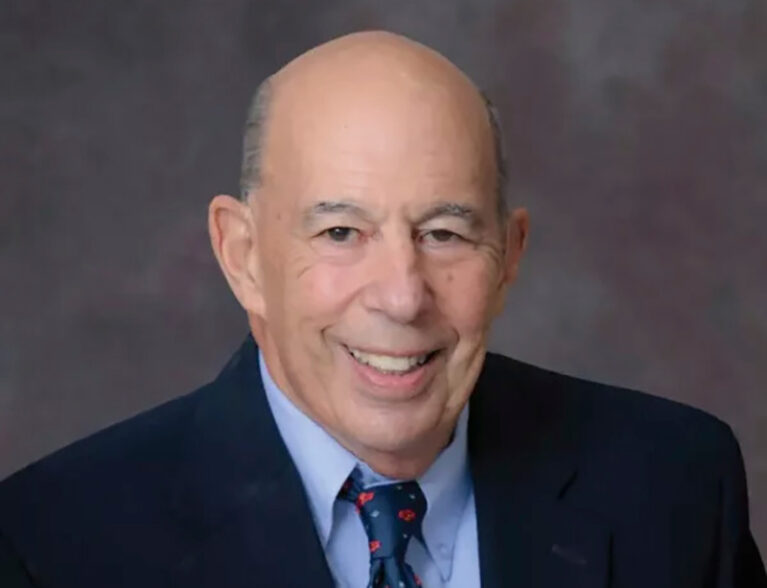
“Osteoporosis is the loss of the strength of bone,” explained Dr. Seth Coren of Vero Orthopaedics.
“It doesn’t have anything to do with arthritis or joints. It’s purely bone strength. It’s a loss of balance between the cells that take away bone – osteoclasts – and the cells that build bone – osteoblasts. As you age, you start to lose bone; women can lose up to 20 percent of their bone density in the first two years after menopause because of the loss of estrogen.”
According to the National Osteoporosis Foundation, about 10 million Americans already have osteoporosis, and another 44 million have low bone density that puts them at increased risk.
Though the condition disproportionately affects women – especially after menopause – men aren’t immune. Roughly 1 in 4 men over age 50 will suffer an osteoporosis-related fracture in their lifetime.
Osteoporosis doesn’t happen overnight. It’s the result of a long, quiet process. Bones are living tissue – constantly breaking down and rebuilding. In youth, that process favors growth – new bone forms faster than old bone breaks down. But by our mid-30s, the balance shifts. Bone breakdown starts to outpace new growth, a slow erosion continues for decades.
“Estrogen plays a major role in maintaining bone density,” Dr. Coren said. “After menopause, a woman’s estrogen level drops sharply, leading to rapid bone loss. If a parent had osteoporosis or a hip fracture, your own risk rises. Smoking, excess alcohol, a sedentary lifestyle, and poor nutrition all take a toll on bone health. And certain conditions – like thyroid disorders or rheumatoid arthritis – can accelerate bone thinning.”
The gold standard for detecting bone loss is a DEXA scan – a painless, low-dose X-ray that measures bone mineral density. It’s typically recommended for women over 65 and men over 70, though those with risk factors should start earlier.
The results are reported as a T-score, comparing a person’s bone density to that of a healthy 30-year-old. A score between -1.0 and -2.5 signals osteopenia (mild bone loss), while -2.5 or lower means osteoporosis. For younger adults, a Z-score compares bone health to others of the same age and gender.
“A complete diagnosis requires evaluation and testing,” Dr. Coren noted. “We’ll often X-ray the spine to look for ‘silent fractures,’ because with osteoporosis you can have a gradual fracture without realizing it. People who have hip or spine fractures are automatically considered osteoporotic because they’re at high risk for more fractures. We also assign a FRAX score, which estimates fracture risk. If someone’s in the osteopenic range but shows a high fracture risk, that’s reason to begin treatment.”
While there’s no absolute cure for osteoporosis, there are plenty of ways to slow, stop and even reverse bone loss. Treatment usually involves a combination of medication, diet, exercise and lifestyle changes.
Medications such as bisphosphonates (Fosamax, Boniva) help prevent bone breakdown, while newer options like denosumab and romosozumab can encourage bone growth.
But medication is only one part of the equation. Nutrition and activity matter just as much. Adults over 50 should aim for about 1,200 mg of calcium and 800 to 1,000 IU of vitamin D daily, from diet or supplements. Dairy products, leafy greens, almonds and fortified foods are excellent sources.
And while rest may seem wise, the opposite is true – movement protects bones. Weight-bearing and resistance exercises such as walking, dancing, light weightlifting and yoga help maintain bone density and improve balance, reducing the risk of falls.
“The good news is that osteoporosis is reversible,” Dr. Coren emphasized. “When I treat patients, I expect their bone densities to improve. If they’re not improving, we look at other medications.
Osteoporosis is a chronic problem that needs to be followed. If you stop the medication, the same problem will return.”
For those already diagnosed, prevention of further injury becomes key. Simple home adjustments – like installing grab bars, improving lighting, removing throw rugs, and wearing supportive shoes – can dramatically reduce the chance of a fall.
With early detection, proper treatment and a proactive approach, many people continue to live long, active and fracture-free lives.
The body is remarkably resilient and capable of rebuilding even after years of quiet loss. Osteoporosis may be a silent thief, but it’s one that can be caught in the act.
Dr. Seth Coren received his Doctor of Medicine degree at State University of New York Downstate Medical School and completed his General Surgery Internship and Orthopedic Surgery Residency at the University of Miami. He has been practicing orthopedics and serving the people of Indian River County since 1979. His office is located at Vero Orthopaedics, 3955 Indian River Blvd. For an appointment, call 772-569-2330.