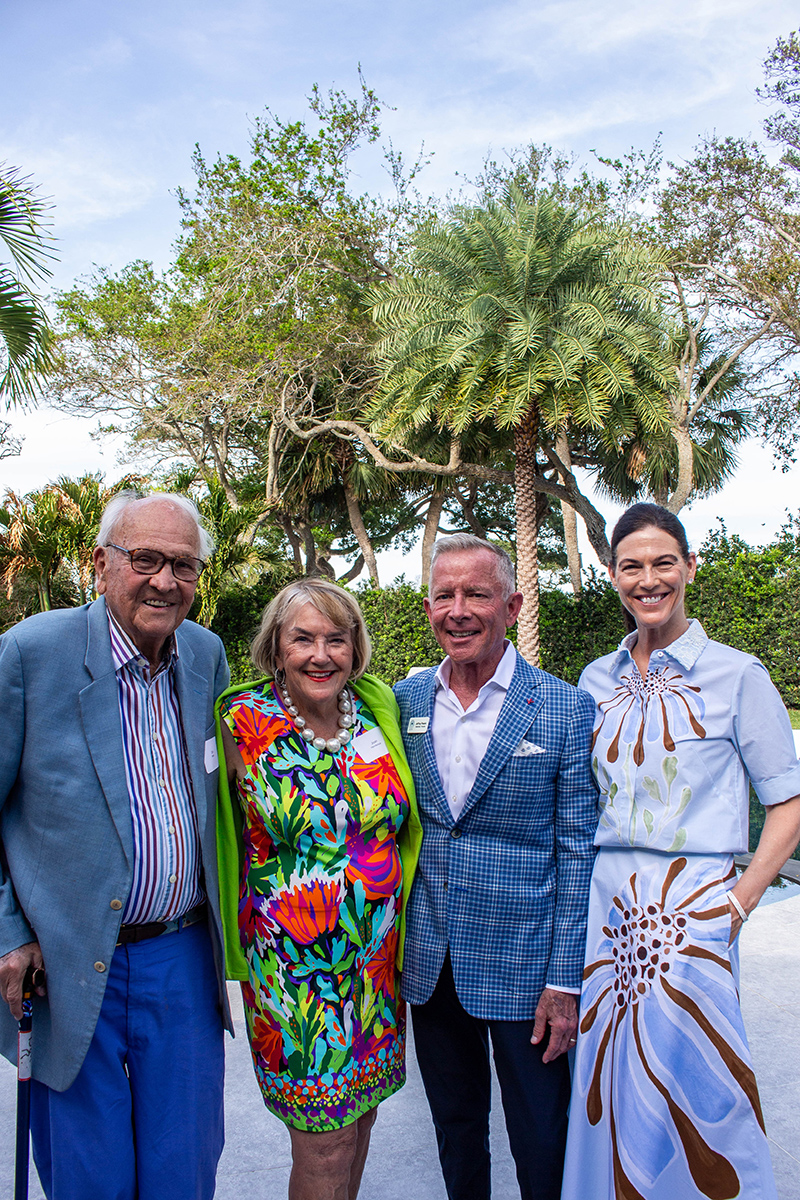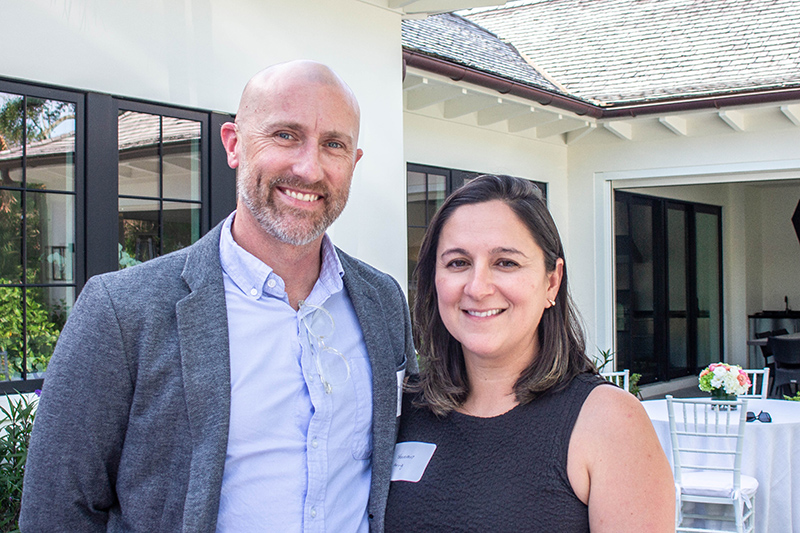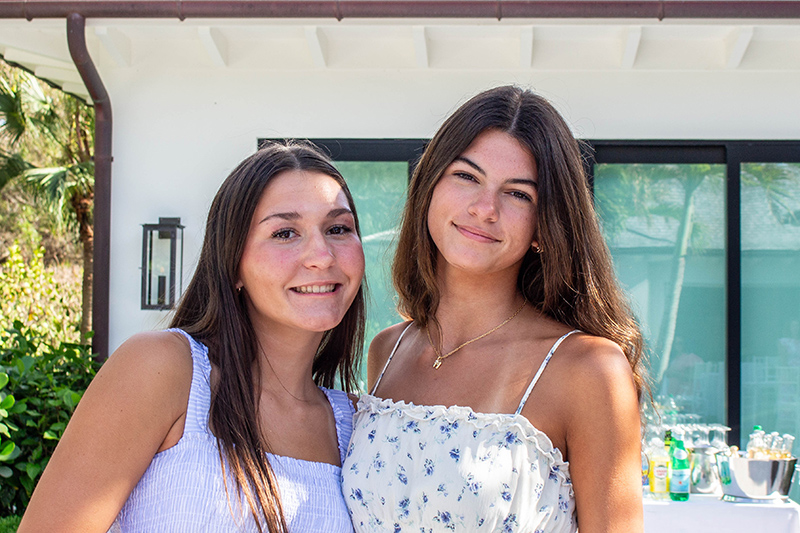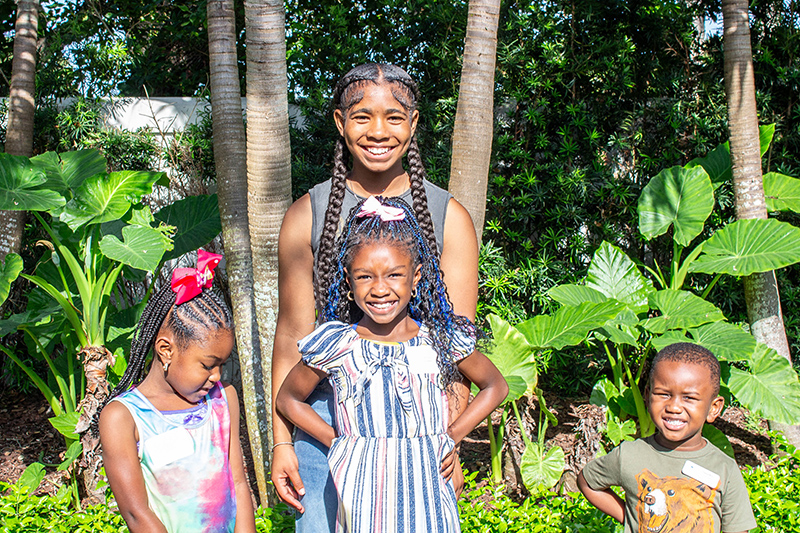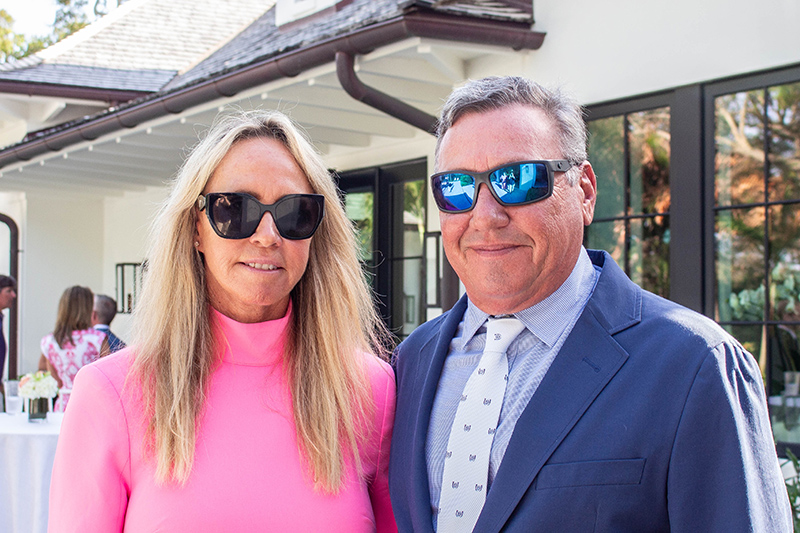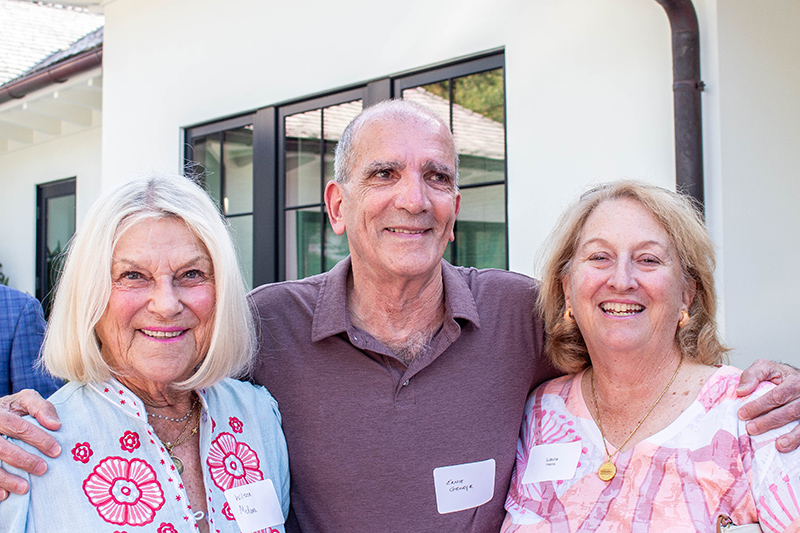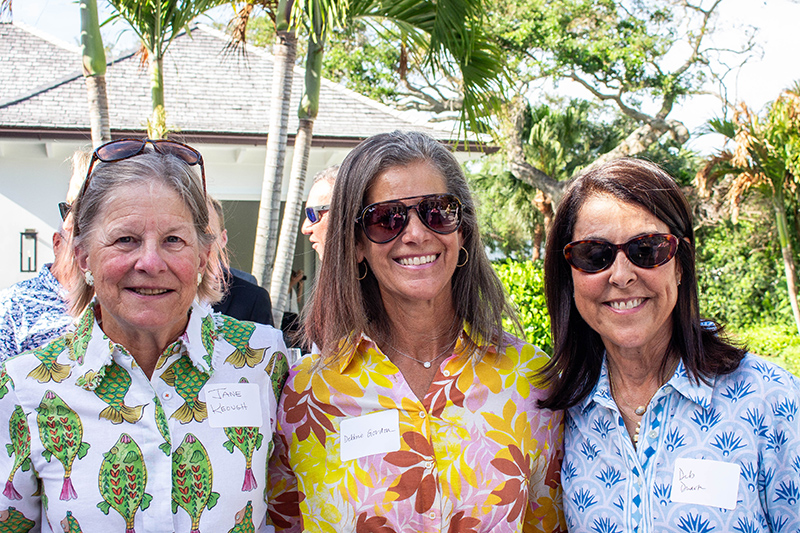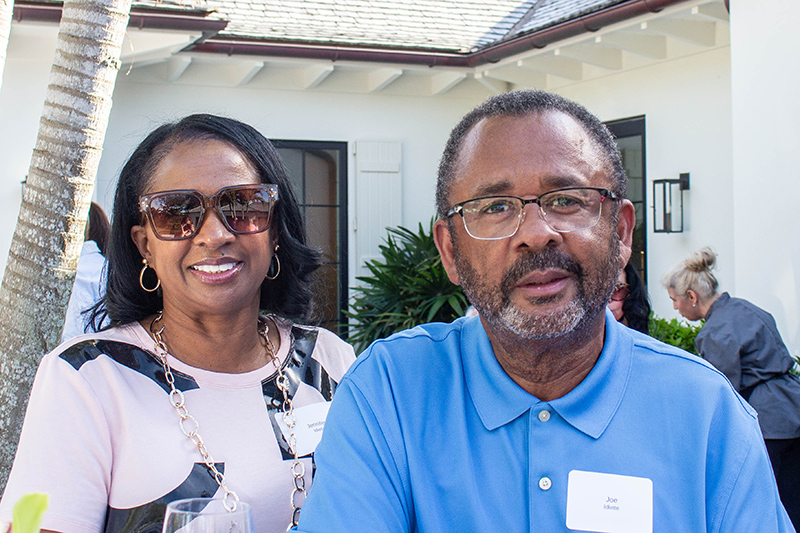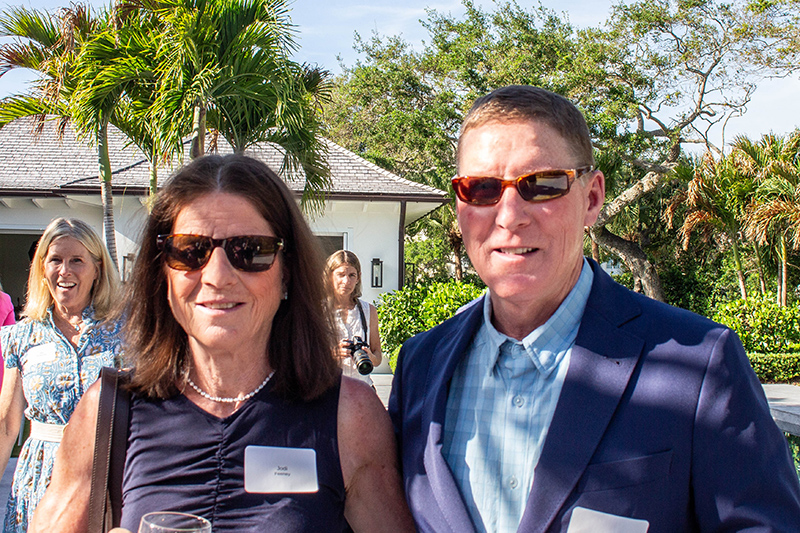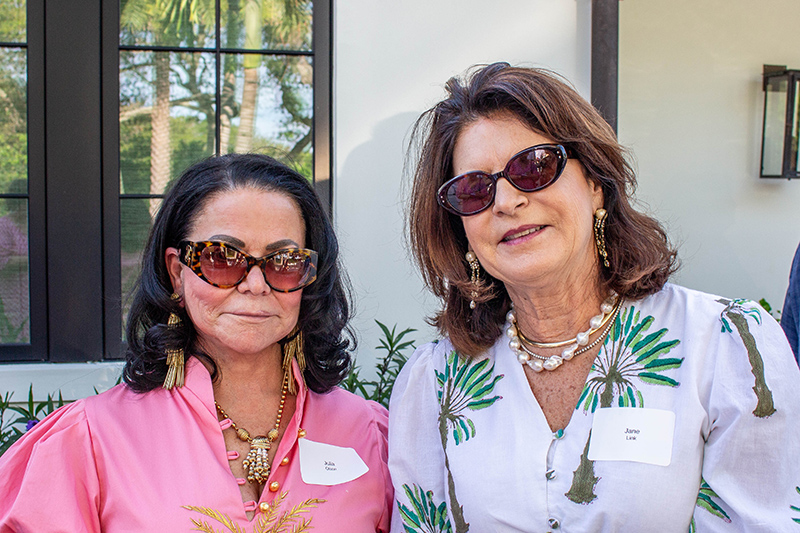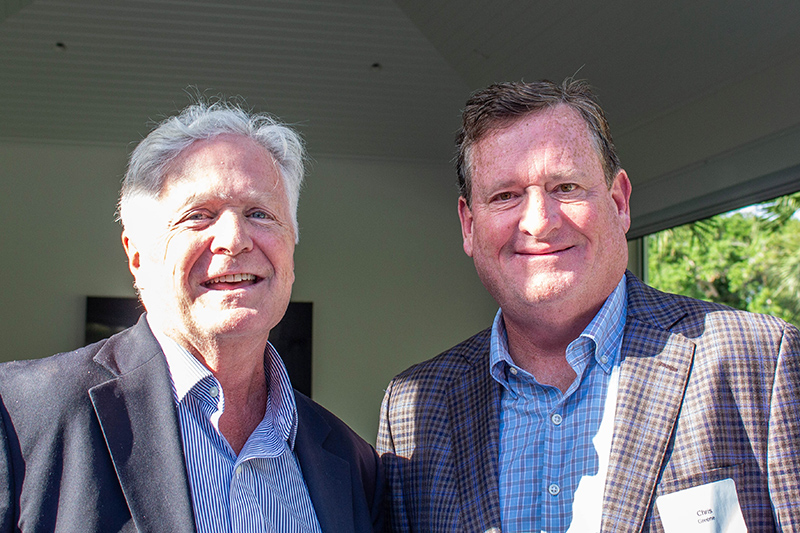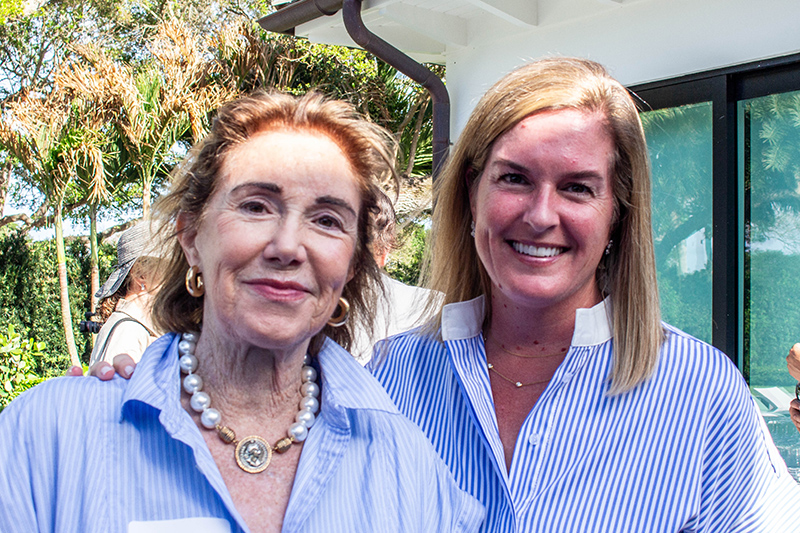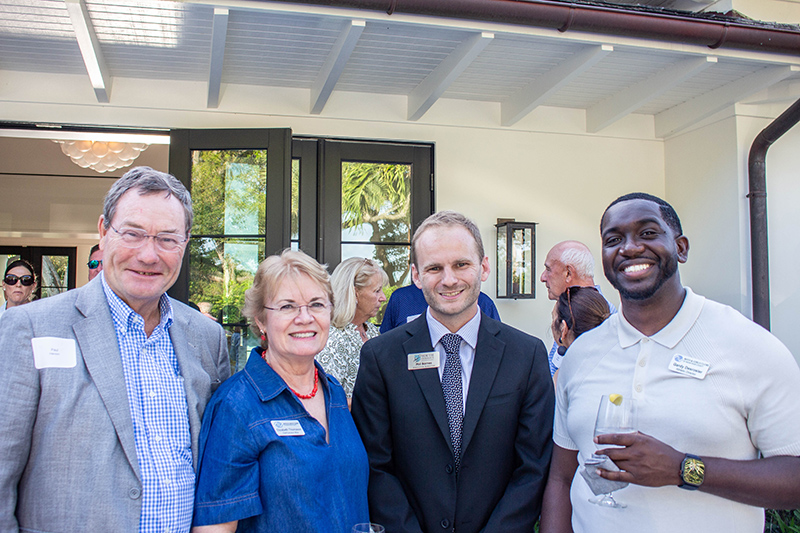
Supporters of Float Hope made a big splash during a Swim Demo and Donor Reception as they gathered poolside at the John’s Island home of Jeff and Eilis Powers. The evening showcased the confidence, mentorship and life skills Float Hope participants have gained through the program, in and out of the pool.
Founded in 2017 by Jeff Powers and his mother, Virginia, Float Hope was inspired by Jeff’s son, William, who had been hit by a car at age 9. Swimming gave William something to focus on, ultimately leading him to swim for Georgetown and attain a successful career. Float Hope was created to share those life-changing benefits with local youth.
The nonprofit provides swim lessons to local children who otherwise wouldn’t have access, helping to prevent drowning, expand opportunities, and build confidence through water safety instruction in a fun, supportive environment.
According to the Float Hope website, “Children in Indian River County suffer unintentional drownings at rates above Florida’s already first-in-the-nation rate.”
“Many of you have been supporters for us since the beginning,” said Beata Brewster, executive director.
She noted that Float Hope has grown from a passion project for Powers and his mother into a full-blown nonprofit that supports more than 350 children a year. She added that they average about 170 swimmers a month on the roster.
Swim coaches Scott Barlow and his wife Holly McClain have spent the last 10 years taking the children from splashes to strokes.
As he narrated the swimming demonstration, Barlow said the children are not just acquiring the ability to swim; they are acquiring life skills that they will take with them for the rest of their lives.
“Swimming,” he reminded the crowd, “is a very empowering sport.”
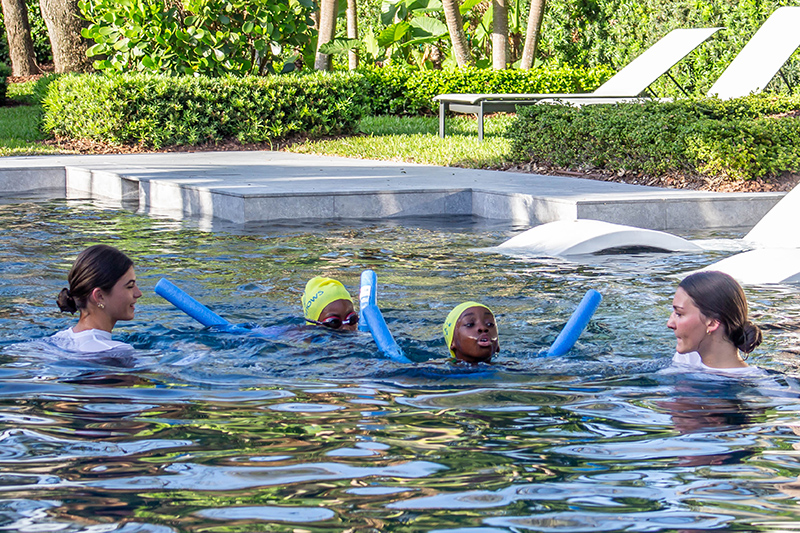
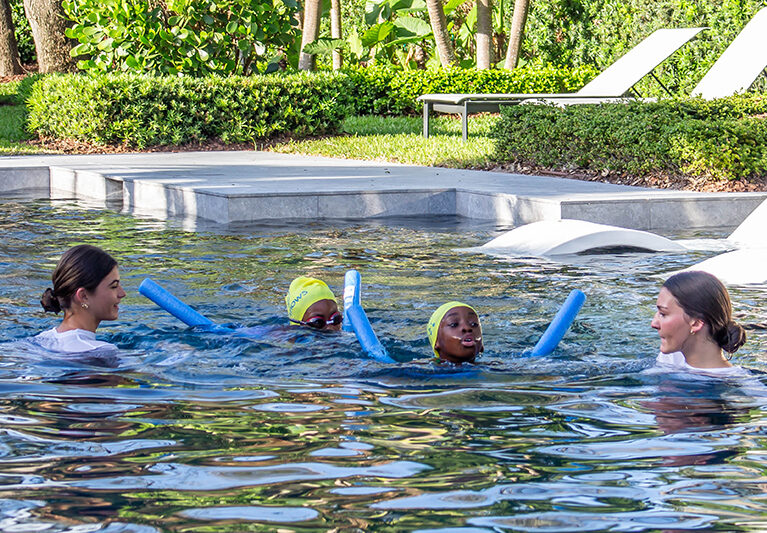
Young swimmers demonstrated various stages of the program, starting with the minnows, who sat on the pool’s edge, splashing their faces before jumping in to bob up and down while holding onto the edge, then transitioning to a pool noodle for support as they ventured out into the water.
Next, students traded noodles for kickboards and performed rhythmic breathing and the “touch and go” method to develop arm strokes, eventually pushing off the wall to swim without assistance.
Amplifying the program’s potential, a young man who started as a beginner about five years ago swam a lap freestyle, then the butterfly, encapsulating how Float Hope propels children from basic water safety to competitive high school swimming.
“The tentacles are very well outstretched. It’s not just learning how to swim. It’s learning how to swim, being comfortable, being part of a program, and then excelling to the next level,” said Barlow.
Many participants have gone beyond just learning how to swim and have become part of their competitive program, which exposes them to travel meets, high school competitions, and even college, carrying them throughout life’s journey.
For more information, visit FloatHopeNow.org.
Photos by Norah Kodis