Stress often is an unseen malady, but the signs of stress don’t always stay hidden. Sometimes, they surface in the mirror with a breakout that wasn’t there yesterday, a flush that won’t fade, skin that suddenly feels unfamiliar. Even if we don’t say a word, our skin is already speaking.
Dermatologists often refer to the connection between the mind and the skin as the “brain-skin axis,” a complex communication network in which emotional stress can trigger very real physical reactions on the body’s largest organ. When stress levels rise, the body releases hormones like cortisol, setting off a cascade of changes that disrupt the skin’s natural balance.
“There’s definitely a brain-skin connection,” said Cynthia Wallace, a physician assistant at Ocean Drive Dermatology. “The increase in cortisol, leads to inflammation. Your skin can become oilier and start to break out with acne, or it can become abnormally dry.”
That surge of cortisol in response to stress is part of the body’s built-in alarm system.
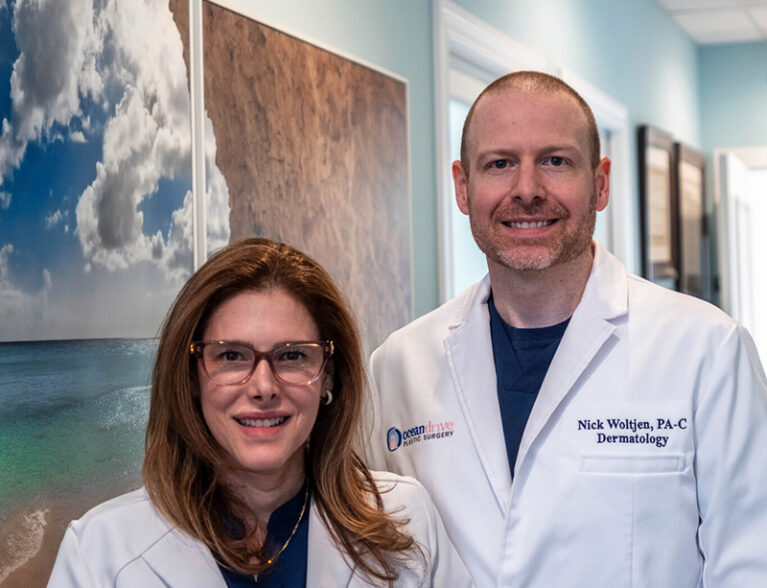
“Think of it like walking down a dark alley and suddenly feeling that something is wrong,” said physician assistant Nick Woltjen. “That’s cortisol kicking in.”
Besides increasing oil production, which can lead to clogged pores and breakouts, cortisol weakens the skin’s protective, outermost layer responsible for keeping moisture in and irritants out. The result is skin that is not only more reactive, but also more vulnerable.
Stress can also intensify a range of existing chronic skin conditions.
“Stress doesn’t just trigger acne. It can aggravate conditions like eczema, psoriasis and rosacea,” Woltjen said. “Patients often notice flare-ups during particularly stressful periods. Even small, everyday stresses can set things off. What’s happening in the brain affects the entire body.”
Even those without chronic conditions may notice changes during times of high tension. Sudden breakouts, dullness, dryness, and increased sensitivity can all signal that stress is taking a toll.
Some people develop itching, hives, or redness without an obvious external cause. These symptoms are often rooted in stress-induced inflammation.
In addition, doctors and physician assistants frequently see stress-related shedding known as telogen effluvium, a condition in which more hairs than usual fall out weeks to months after a stressful event.
“People under stress tell me all the time they feel like they’re losing their hair,” Woltjen said.
“That can include excess shedding, changes in texture and even premature graying. The good news is that it usually regrows once the stress subsides.”
In the short term, the impacts of stress on skin can be frustrating but manageable. Over time, however, chronic stress may leave a more lasting mark. Prolonged exposure to elevated cortisol levels can accelerate aging by breaking down collagen and elastin, the proteins that keep skin firm and youthful. Fine lines may deepen, and the skin can lose some of its natural resilience.
“Sometimes you have to replenish the skin barrier with the right skincare products to bring it back to baseline,” Wallace said. “It takes effort, and as we age, it can take longer to recover.”
Stress can also slow the skin’s ability to heal. Whether it’s a blemish, a cut or irritation, recovery may take longer when the body is under constant strain. This is partly because stress suppresses the immune system, reducing its ability to control inflammation and repair damage.
“Stress compromises your immune system, and in extreme cases it can even contribute to the development of cancer cells,” Wallace cautioned. “UV exposure is still the main culprit, but stress can heighten that process. Managing stress through mindfulness or exercise is part of the healing process.”
Compounding the problem, stress often brings habits that further impact the skin. Sleep deprivation limits the body’s ability to repair itself, while poor diet, increased alcohol intake, and inconsistent skincare routines can all make matters worse.
“Self-care is so important,” Woltjen said. “When you’re stressed, go to the gym, take a walk, get a facial or massage, or practice yoga. Even spending 30 minutes before bed on meditation can help improve sleep. Stay hydrated and try to avoid processed foods.”
Treating stress-related skin issues requires a two-pronged approach, addressing both the visible symptoms and the underlying cause. Topical treatments can help manage breakouts, inflammation and dryness, but they are often only part of the solution. Incorporating stress-reduction techniques such as exercise, mindfulness or simple breathing exercises can have a meaningful impact on overall skin health.
Consistency becomes especially important during high-stress periods. Gentle routines focused on hydration and barrier repair can help protect the skin and prevent further irritation.
“I like to keep skincare as simple as possible,” Woltjen said. “There are so many products out there, but skin, hair, and nails take time to respond. I tell my patients to focus on sunscreen, moisturizer, an antioxidant like vitamin C, and retinol. Those are the essentials.”
Equally important is knowing when to seek professional help. Persistent or worsening skin issues shouldn’t be ignored, especially when they begin to affect quality of life.
“Everyone needs a skin coach and that’s what we do,” said Wallace. “The skin is the largest organ in the body, and it’s important to know what’s normal and what’s not. If you notice something new or changing, get it checked.”
Stress is a part of modern life but wearing it on your skin doesn’t have to be. Because sometimes the best thing you can do for your complexion isn’t found in a bottle or a jar but in a moment of calm.
Nick Woltjen earned his master’s degree in physician assistant studies at Chatham University in Pittsburgh and completed dermatology training at the University of Pittsburgh Medical Center.
Cynthia Wallace earned her degree in Physician Associate studies at Nova Southeastern University and interned with Skin and Cancer Associates South Florida. Both are employed by Ocean Drive Dermatology, the practice of Dr. Alan Durkin. Dr. Durkin graduated magna cum laude from University of Miami where he earned a B.S. in Biology. He then earned a master’s degree from University of Chicago in Physics and an M.D. from University of South Florida. He is a faculty member and a Clinical Assistant Professor of Plastic Surgery at Florida State University, and Nova Southeastern University. Ocean Drive Dermatology is located at 2026 Ocean Dr. in Indian River Shores. For appointments, call 772-234-3700.