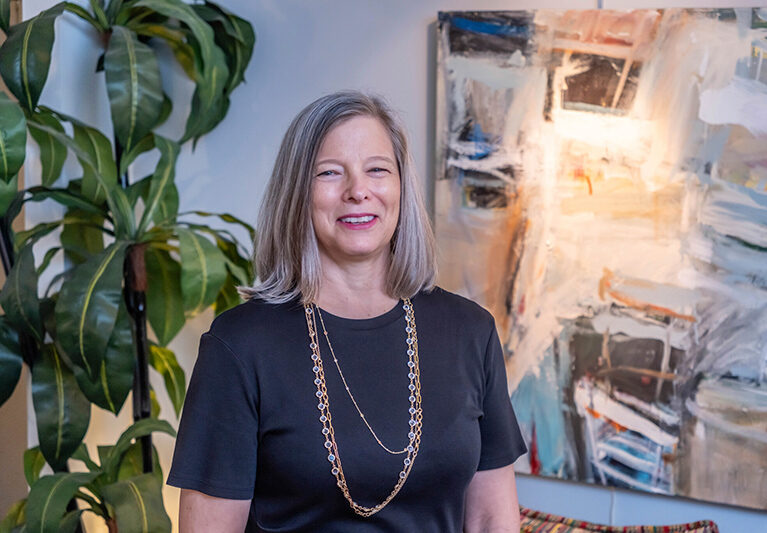
“Grief is love with nowhere to go,” says Karen Mattern, a licensed clinical social worker and therapist who practices in Vero Beach, quoting author Jamie Anderson.
“There are several terms that people tend to use interchangeably when discussing loss,” Mattern explains.
“Grief is the experience of one who has lost a loved one to death. It is comprised of thoughts, feelings, behaviors and physiological changes that can vary in pattern and intensity over time.
“Mourning is defined as the process and adaptive activities that occur after a loss. Bereavement is the period after a loss during which grief is experienced and mourning occurs.”
The American Psychological Association says grief often includes physiological distress, separation anxiety, confusion, yearning, obsessive dwelling on the past and apprehension about the future.
“Symptoms of grief come in many forms,” says Mattern. “They fall into cognitive, physical, emotional, social and spiritual categories.”
Mental Health America says coping with death is vital to your mental health. It is wholly natural to experience grief when a loved one dies. The best thing you can do is allow yourself to grieve.
Mattern concurs. “Suppression of emotions is unhealthy. Talking about your thoughts and feelings helps the healing process.
“But there’s no guidebook for mourning. There may be circumstances that dictate behavior and emotional expression. Culture, beliefs and ethnicity can determine how individuals mourn the loss of a loved one.
“For example, some cultures construct mourning songs as a way to release emotions in a culturally appropriate manner. Some religious traditions allow individuals an organized framework for adjusting to changing social identities and constructing continuing bonds. While other cultures create expectations for how women grieve, such as loud wailing and dramatic expressions.”
The personal circumstances of the grieving person can help determine the appropriate support system and coping skills.
As Mattern explains, “The age, physical health, mental health, financial security or insecurity, education, career history, social support system, faith relationship, and culture/ethnicity (norms/mores) all are factors that influence bereavement outcomes.
“Whether a death is sudden or expected affects how one mourns. The status of the relationship (parent, child, spouse, sibling, friend) and the quality of that relationship influences how one mourns.”
HOPE Connection, where therapists counsel individuals on how to continue a redefined life after loss, lists 25 factors that affect how you grieve and heal from the loss of a loved one.
They include the type and quality of relationship with your loved one, how your loved one died, your financial situation, your ability to be alone, and your age and developmental stage of life.
Recognize that it’s good to stay connected to your loved one. “Staying connected to the deceased is not pathological; this is called creating a continuing bond,” says Mattern.
“Old societal lore told us that we must disconnect from the thoughts and emotions of our deceased loved one. Today, we know that many find solace in private communications with loved ones at home, speaking to their pictures, their favorite seat or lying in bed.
“The comfort-level individuals have with a continuing bond can vary. The love you shared for your loved one does not die with their death. A spiritual relationship can develop, much like a prayerful or faith-based relationship.
“Journaling or writing a letter to the deceased is helpful,” she continues. “Going to his/her favorite place, gravesite or memorial can be a safe place to talk to your loved one.
“The comfort of your home can be difficult at first, but with time, it can offer connection through transitional objects. Family members can be both helpful and hurtful to the bereaved.
“Expectations of the bereaved individual’s capabilities are often misunderstood after a loss. That includes assumptions about mental health, physical health, finances and social support systems,” Mattern continues.
“Don’t let the assumptions of others, old patterns of communication, or unresolved family issues disrupt the grieving process.”
Unfortunately, it’s not always easy to find people with whom to talk about the loss of a loved one.
Mattern explains that not everyone is comfortable talking about a death. “Those in faith communities, medical professionals and those who have already suffered a loss are individuals with whom the bereaved may be most able to have these important conversations.
“Death is a very personal matter, which is exactly the aspect which makes others so uncomfortable. Some people don’t know what to say, or they make insensitive comments.
“They’re not insensitive on purpose, but unfortunately people often don’t know how to offer comfort. Some people feel they must ‘fix’ your sadness and tears, or they don’t want to cause you to cry.
“Some women report when their spouse dies, that suddenly they are left out of their couple’s friendship group. The friends may feel the newly widowed person is a threat to their marriage, or somehow, their loss will make them think about their own mortality.
“This is too uncomfortable for some. Others assume that the widow doesn’t belong any longer in the group.
“Many of those mourning the loss of a loved one find support in unlikely people and places, often making friends with those they meet for the first time in bereavement support groups.”
In conclusion, Mattern says to accept that grief and mourning are natural and necessary, but also that these feelings and processes are likely to be difficult, frightening and painful in many instances.
It’s time to seek professional support if you cannot function effectively on a daily basis, if you feel stuck, if you are paralyzed by fear, self-doubt and uncertainty. “Those are warning signs that you may need to reach out for help.”
Karen Mattern, LCSW, received a Bachelor of Arts degree in Psychology and Economics from the University of Denver and a master’s degree and doctorate in social work from Barry University. She is a member of the National Association of Social Workers. Her practice, Coyle & Mattern, LLC, is located at 2770 Indian River Blvd., Vero Beach. The phone number is 772-569-9300.