Heart disease remains the leading cause of death worldwide, partly because many people who experience heart attacks and strokes don’t notice any warning signs. They report feeling perfectly healthy beforehand.
That disconnect between how we feel and what may be happening inside our arteries is why health experts increasingly emphasize proactive heart health assessments – even for people without symptoms.
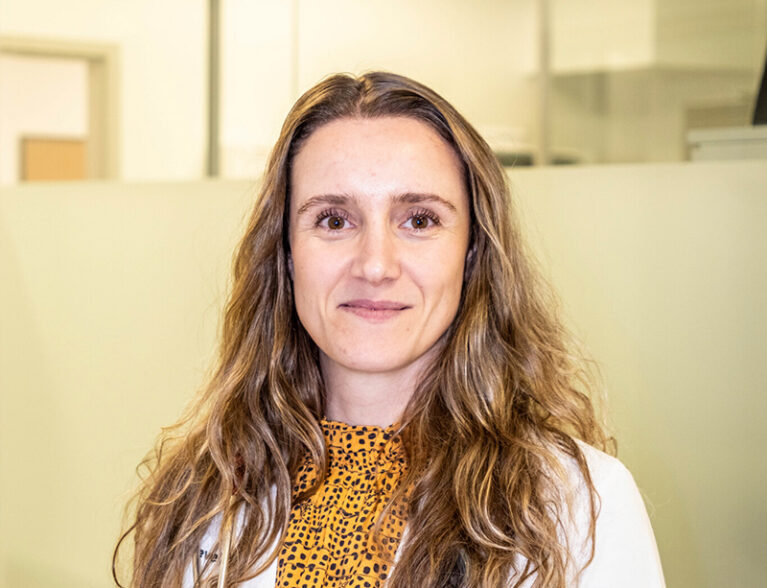
“People often ask how we look at someone’s heart age versus their chronological age,” said Lubka Ilieva, DO, a cardiologist at Cleveland Clinic Indian River Hospital. “The most traditional way to assess heart age or heart risk is the Framingham Risk Score. It’s a simple calculation that can offer valuable insight into a person’s likelihood of developing cardiovascular disease over the next 20 years.”
The Framingham Risk Score factors in age, sex, cholesterol levels, blood pressure, smoking status, diabetes and other contributing elements. Based on that information, patients are categorized as low, intermediate or high risk.
“It basically provides a snapshot of overall cardiovascular risk,” Dr. Ilieva said.
So why should someone be tested if they don’t have symptoms? One of the most dangerous myths about heart disease is that it always comes with warning signs. But high blood pressure, elevated cholesterol and early artery damage often cause no noticeable symptoms at all.
A heart health assessment helps uncover hidden risks early, when lifestyle changes or medical guidance can be most effective. For younger adults or people who feel generally well, the Framingham Risk Score can be a wake-up call, showing how today’s habits may shape tomorrow’s health.
“For the most part, we leave low-risk people alone and they go on with their lives,” Dr. Ilieva explained. “For those at intermediate risk, we recommend additional testing to better understand where they fall on the scale, and how aggressive we need to be with lifestyle changes or medication. High-risk patients are encouraged to see a cardiologist to optimize prevention.”
In many cases, that prevention includes cholesterol-lowering therapy, blood pressure control, weight loss or smoking cessation.
“We address the variables that contribute to that risk,” she said. “The one factor we can’t change is age. As you get older, even if all other risk factors are controlled, your chances of developing coronary artery disease inherently increase.”
Getting a heart health assessment isn’t about labeling people as “sick.” It’s about empowerment.
Risk tends to be greater after age 40, and risk scores help tailor guidance around diet, physical activity, stress and other lifestyle factors. Studies show that people who understand their cardiovascular risk are more likely to adopt healthier behaviors, such as quitting smoking or improving their diet.
Primary care doctors often begin this assessment during an annual exam and refer intermediate- and high-risk patients to a cardiologist when appropriate.
“People who have first-degree family members, (meaning parents or siblings) who had heart attacks, coronary artery stinting, or strokes at an unusually young age should consider being assessed earlier,” Dr. Ilieva said. “I tell patients to start looking at least 10 years before the youngest family member was diagnosed. For example, if your father had a heart attack at 45, you should begin screening around age 35.”
While there often are warning signs of heart disease, they are often overlooked or misunderstood.
“There are two ways to think about coronary artery disease,” Dr. Ilieva explained. “One is stable disease, where plaque builds slowly over time and eventually becomes obstructive, leading to symptoms. The other involves sudden events – what we call acute coronary syndrome or a heart attack – where plaque that wasn’t previously obstructive suddenly destabilizes and blocks the artery.”
Classic heart attack symptoms include sudden chest pain or pressure, but less typical signs can include back pain, abdominal discomfort and sensations similar to acid reflux. A key indicator is that symptoms often worsen with exertion.
“Older patients, women and people with diabetes tend to have more atypical symptoms,” Dr. Ilieva said. “Men more often describe the classic ‘elephant sitting on the chest’ feeling. People who are physically active are also more likely to notice warning signs than those who are sedentary.”
She encourages patients to pay attention to changes in how their body responds to exercise.
“The greatest stress test you can give yourself is physical activity,” Dr. Ilieva said. “If you play tennis regularly and suddenly notice chest discomfort or that you’re getting winded more easily, those could be early warning signs.”
As healthcare continues to shift toward prevention rather than reaction, heart health assessments are becoming a cornerstone of routine care. For people without symptoms, the message is simple – waiting to feel unwell may mean waiting too long.
Knowing your heart-health risk doesn’t guarantee problems ahead, but it can help stack the odds in your favor if problems are pending. When it comes to heart disease, information truly can be lifesaving.
Dr. Lubka Ilieva completed her medical education at Ohio University College of Osteopathic Medicine, her residency at Swedish Covenant Hospital and her fellowship at Advocate Illinois Masonic Medical Center. Her offices are located in Vero Beach at Cleveland Clinic’s Rosner Family Health and Wellness Center, 3450 11th Court, and in Sebastian at Cleveland Clinic Indian River Hospital Primary Care and Urgent Care at 801 Wellness Way. To schedule an appointment, call 772-778-8687.