Polycystic ovary syndrome (PCOS) is one of the most common causes of female infertility, affecting between 6 percent and 12 percent of women of reproductive age in the U.S.
But it’s also much more than that. PCOS is a lifelong health condition that can cause multiple other problems, according to Mayo Clinic.
“PCOS is very common, due to an imbalance of reproductive hormones (usually an excess of androgen),” says Christi Forster, APRN, a nurse practitioner in the gynecology department at Health First Medical Group.
“With PCOS, many small sacs of fluid – called cysts – develop along the outer edge of the ovary,” says Forster.
“The exact cause of PCOS is unknown,” according to Mayo Clinic. “Early diagnosis and treatment along with weight loss may lower the risk of additional long-term complications such as type 2 diabetes and heart disease.”
The American Medical Association adds that this complex disorder is often misunderstood and misdiagnosed, significantly affecting a woman’s health and wellbeing.
Forster says the symptoms of PCOS are varied and differ from woman to woman. They may include:
- Missed periods, irregular periods, or very light periods.
- Ovaries that are large or have many cysts.
- Extra body hair, including the chest, stomach and back (hirsutism).
- Weight gain, especially around the belly.
- Acne or oily skin.
- Male-pattern baldness or thinning hair.
- Infertility.
- Small pieces of extra skin on the neck or armpits (skin tags),
- Dark or thick skin patches on the back of the neck, in the armpits and under the breasts.
In addition, Johns Hopkins University reports that women with untreated PCOS are more likely to develop certain serious health problems, including type-2 diabetes, high blood pressure, problems with the heart and blood vessels, and uterine cancer. These are in addition to frequent problems with their ability to get pregnant.
Forster explains that women can develop PCOS any time after puberty. “However, most people are diagnosed in their 20s or 30s when they’re trying to get pregnant.
“You may have a higher chance of getting PCOS if you have obesity or if other people in your biological family have had it.”
She continues, “Diagnosis can be tricky because symptoms differ so much from woman to woman.” The cardinal criteria used by doctors to diagnose are two of the three following:
- Irregular or missed periods. Some people with PCOS have very heavy bleeding when they do have a period.
- Signs of excess androgens – a group of hormones that promote the development and maintenance of male sex characteristics such as acne or excessive hair growth. Or a blood test confirming high androgen levels.
- Enlarged ovaries or polycystic appearance of ovaries on ultrasound. (Some women don’t develop cysts.)
ScienceDirect, an online platform providing access to medical materials, adds that mental health aspects of PCOS are often overlooked, leading to insufficient support and negative impacts on PCOS patients’ quality of life.
Forster concurs. “Mental health issues come from a lack of self-esteem caused by obesity, inability to get pregnant, depression and eating disorders.”
Cleveland Clinic explains that treatment depends on symptoms, medical history and health conditions, and whether you plan to get pregnant. Treatments can include medications, lifestyle changes or a combination of both.
If you don’t plan to become pregnant, treatments include:
- Hormonal birth control: Options include birth control pills, patches, shots, a vaginal ring or an intrauterine device (IUD). Hormonal birth control helps to regulate your menstrual cycle. Some forms will also improve acne and help with excess hair growth.
- Insulin-sensitizing medicine: Metformin is a drug used to treat diabetes. It works by helping your body process insulin. Once insulin is under control, some people with PCOS see improvements in their menstrual cycles.
- Medications to block androgens: Some medications can block the effect of androgens. This helps control acne or hair growth. Talk to your healthcare provider about whether such treatment is right for you.
- Lifestyle changes: Eating a nutritious diet and maintaining a body weight that’s healthy for you can have a positive effect on insulin levels and PCOS.
If you want to become pregnant now or in the future, treatment includes: - Drugs to induce ovulation: A successful pregnancy begins with ovulation. Certain drugs have been proven to induce ovulation in people with PCOS. The medications clomiphene and letrozole are taken orally, while gonadotropins are given by injection.
- Surgery: A surgical procedure can help restore ovulation by removing tissue in the ovaries that produces androgen hormones. With newer medications available, surgeons rarely perform this procedure.
- In vitro fertilization (IVF): This is an option for people with PCOS when medication doesn’t help with ovulation. Your provider fertilizes your egg with your partner’s sperm in a lab before transferring it to your uterus.
“If you have symptoms of PCOS, consult with an obstetrician/gynecologist or endocrinologist as soon as possible,” says Forster. “The sooner you get treated, the more positive and long-lasting your results will be.”
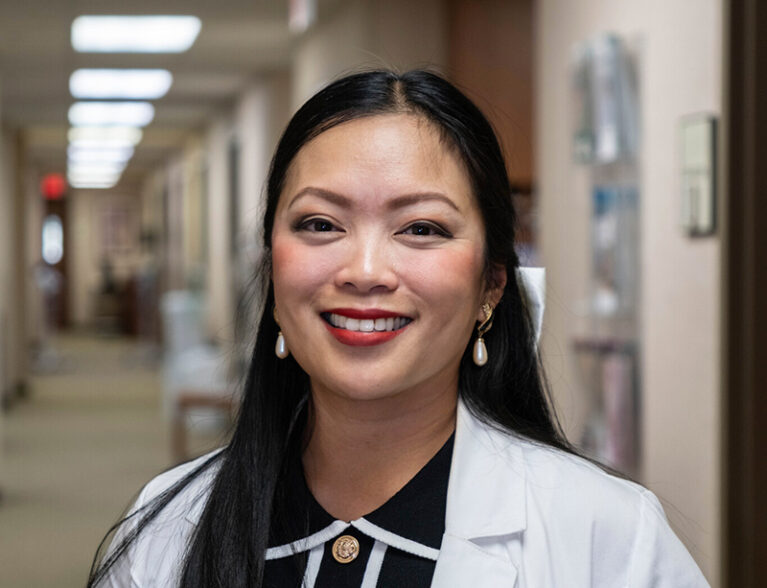
Christi Forster, APRN, is a nurse practitioner in the gynecology department of Health First Medical Group in Malabar and Melbourne. She has a BS in Nursing from Indian River State College, an APRN degree from University of Central Florida, and an MS in Nursing from St. Thomas University. She works at Health First’s offices at 1223 Gateway Drive, Suite 1D, Melbourne, and 730 Malabar Road, Suite B, Malabar. The phone number for both locations is 321-729-6166.