Despite tumultuous weather, nearly 2,000 student scientists across six counties proved their commitment to the protection of the Indian River Lagoon, powering through rain showers during the eighth annual A Day in the Life of the Indian River Lagoon event hosted by the Ocean Research & Conservation Association.
The event is one component of ORCA’s mission to protect and restore aquatic ecosystems and the species they sustain through innovative technology, science-based conservation and community outreach.
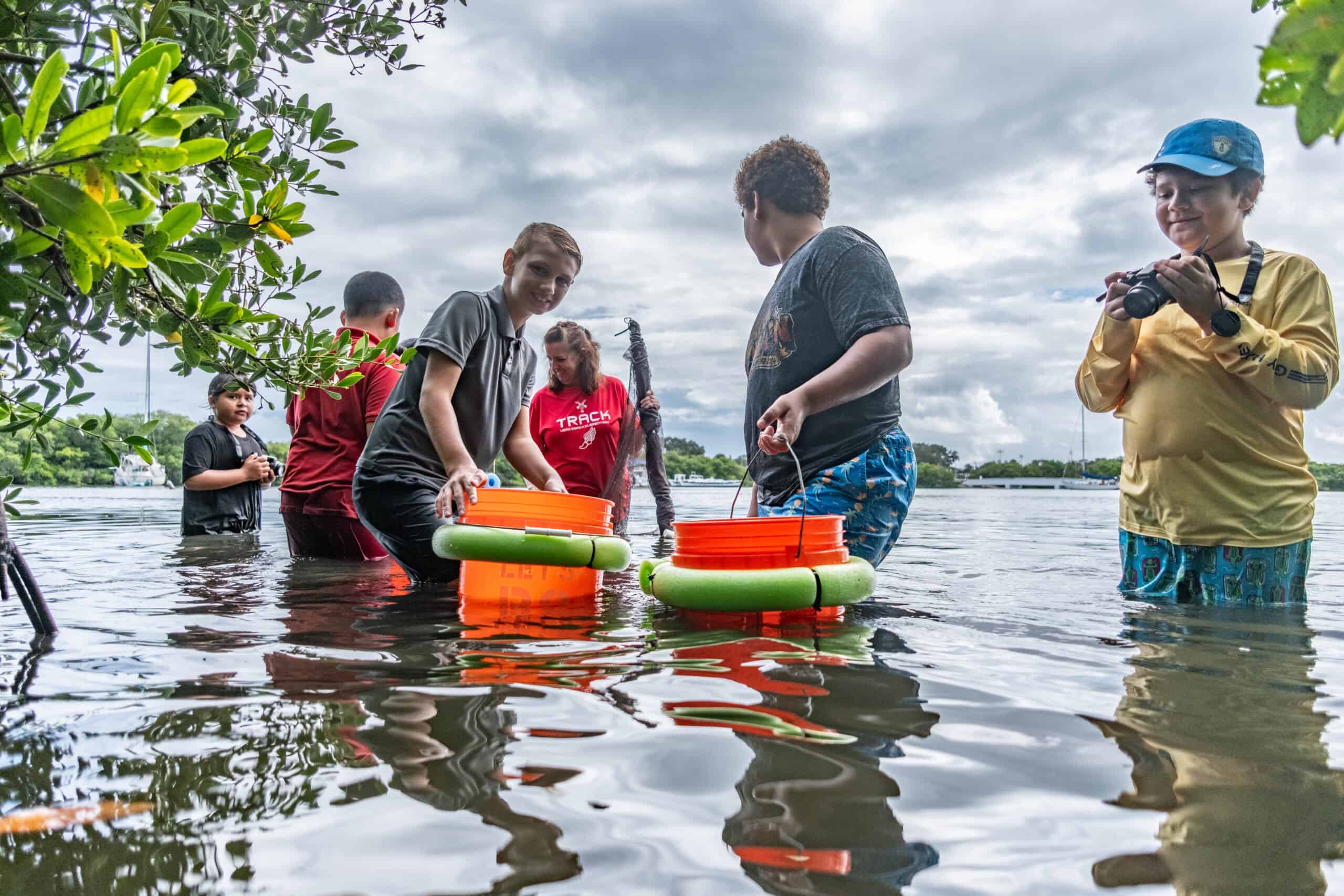
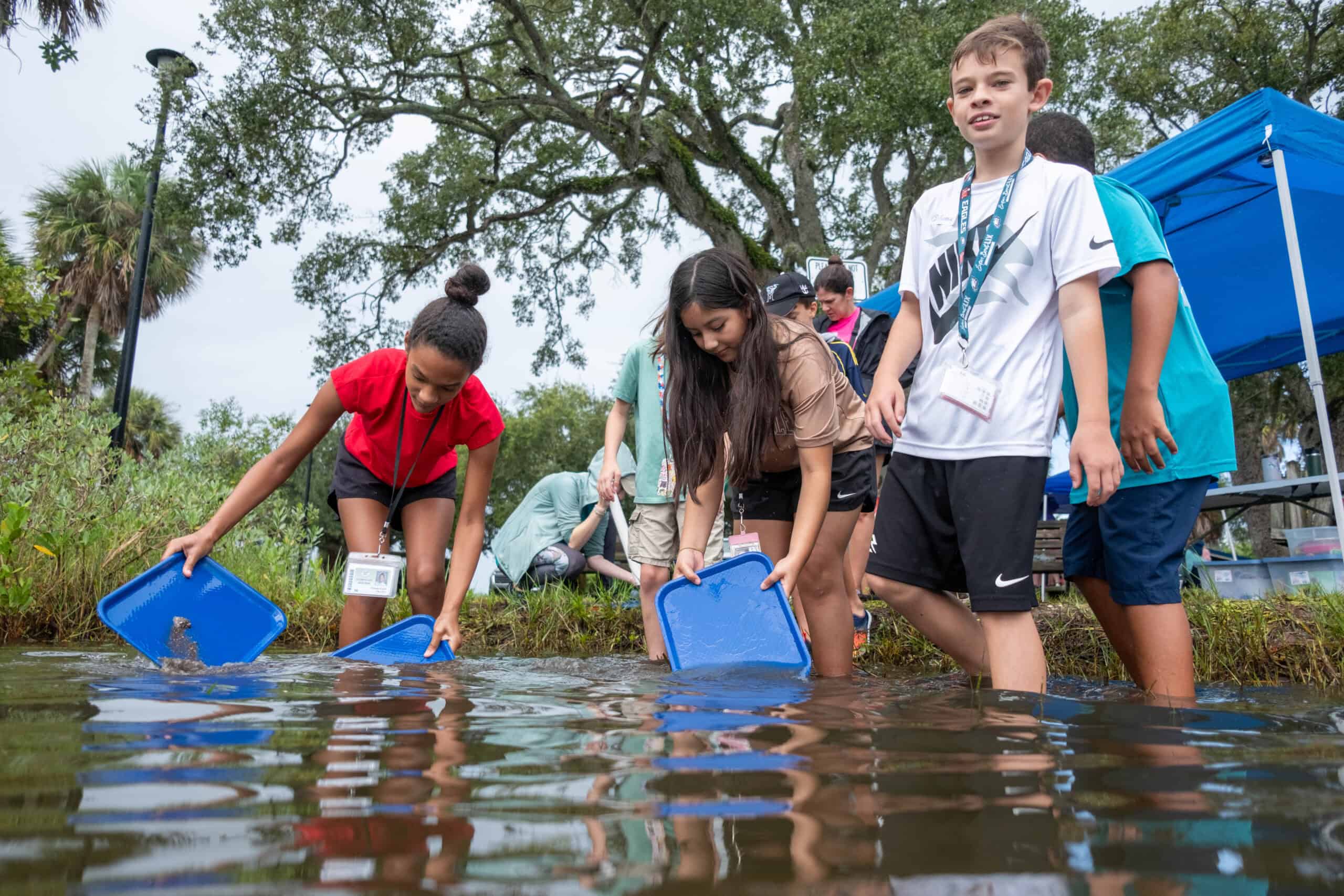
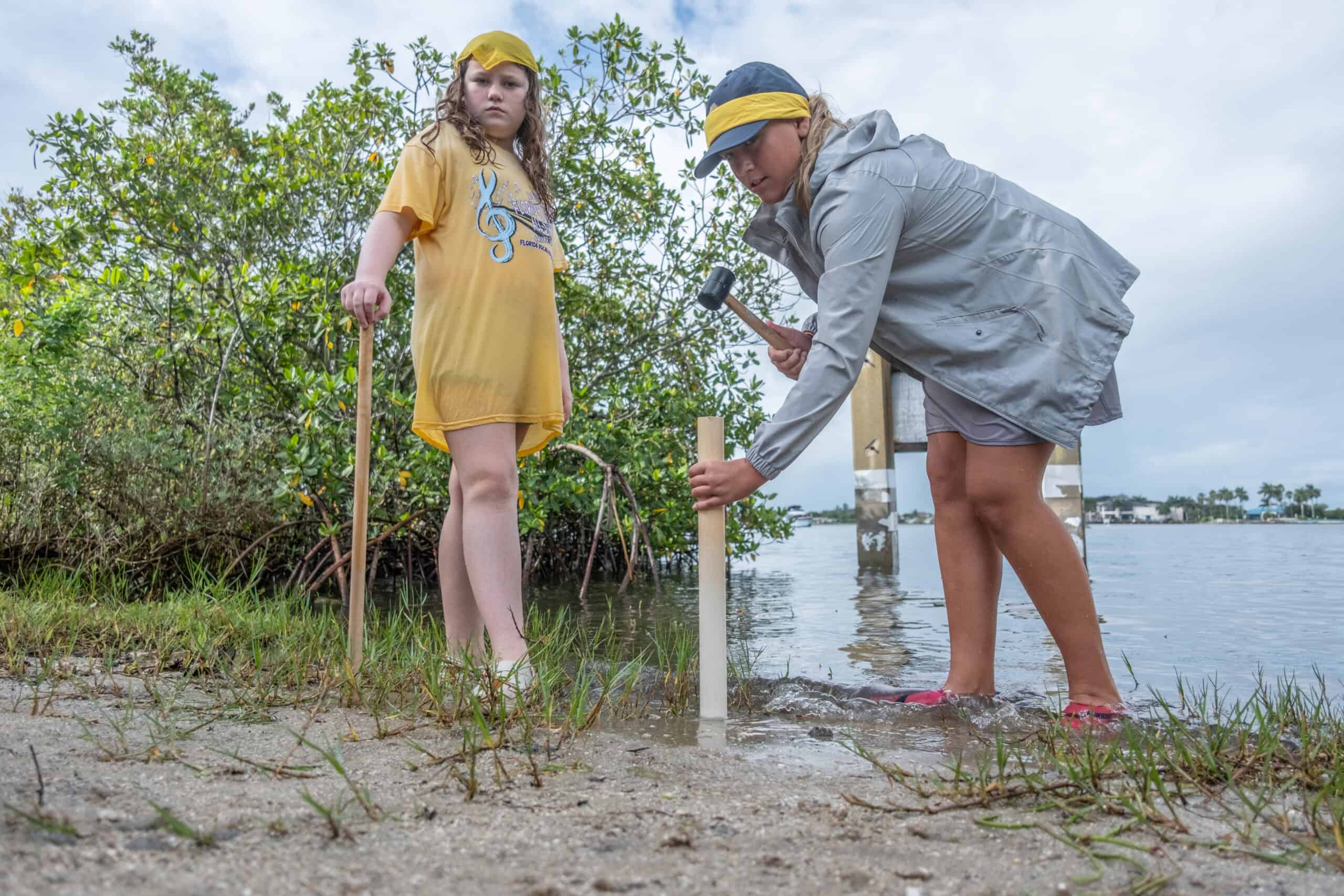
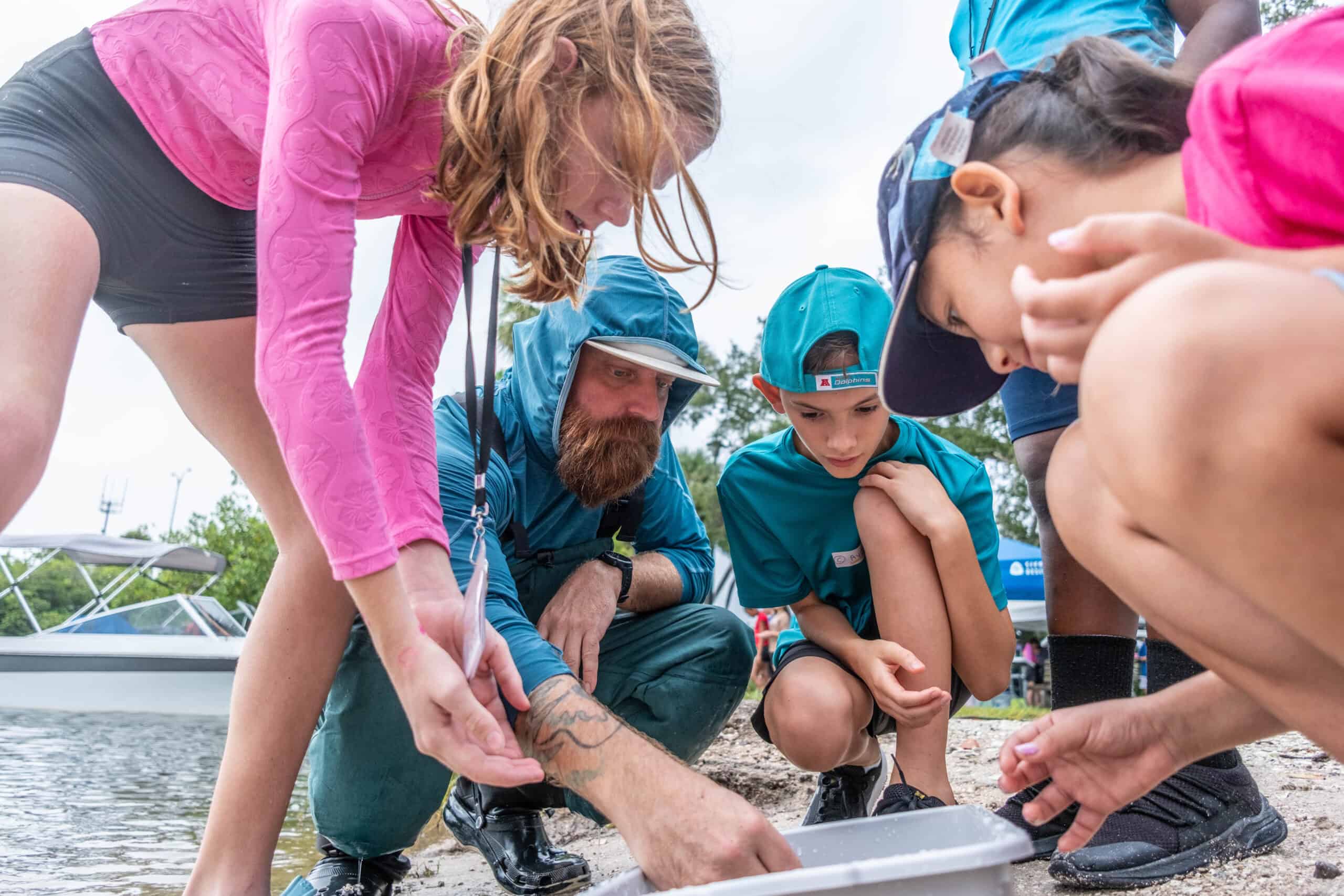
ADIL mobilized students from 37 schools in grades 4 through 12 at more than 40 waterside locations throughout Volusia, Brevard, Indian River, St. Lucie, Martin and Palm Beach counties to assess water quality and biological diversity on one of the most biodiverse estuaries in North America.
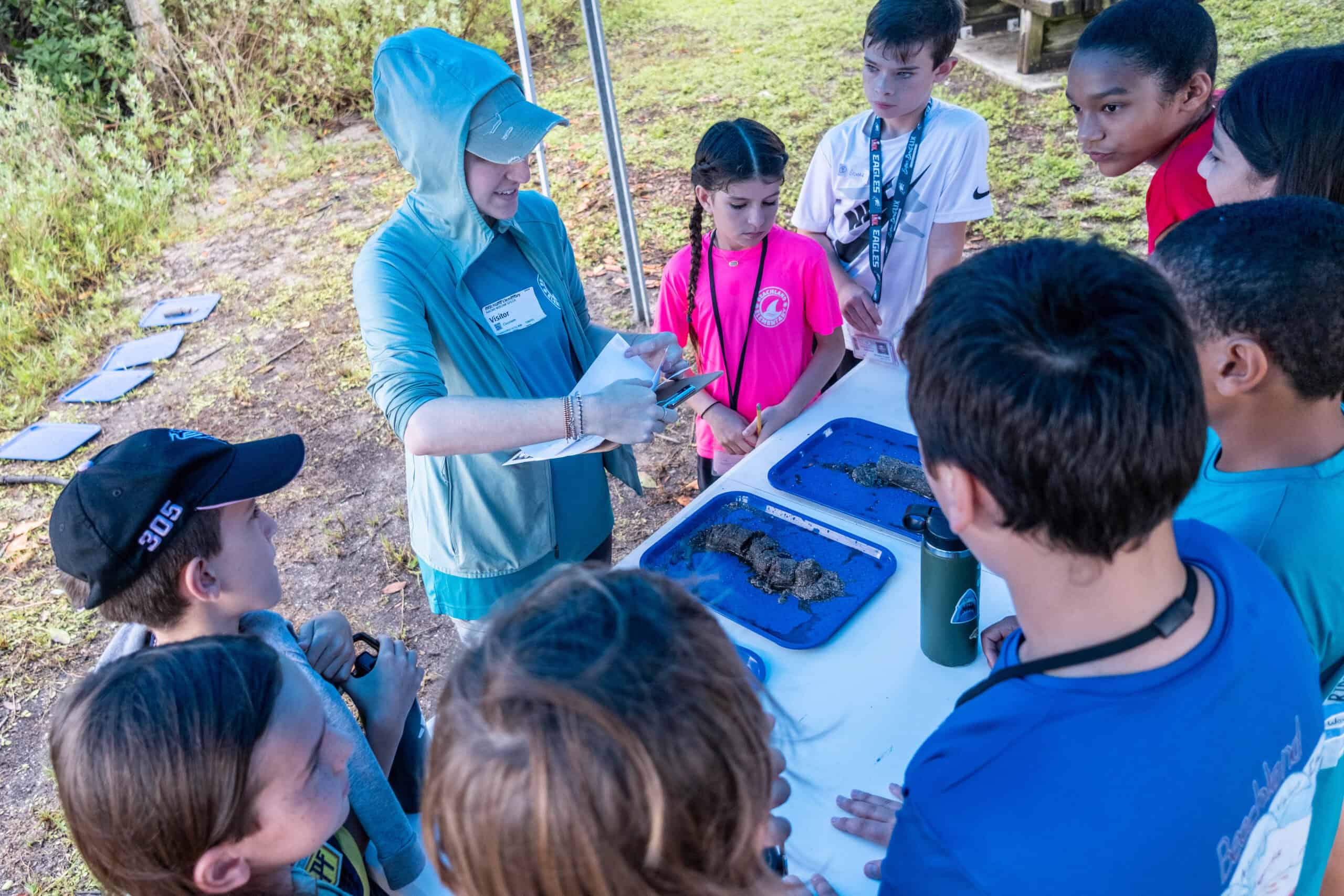
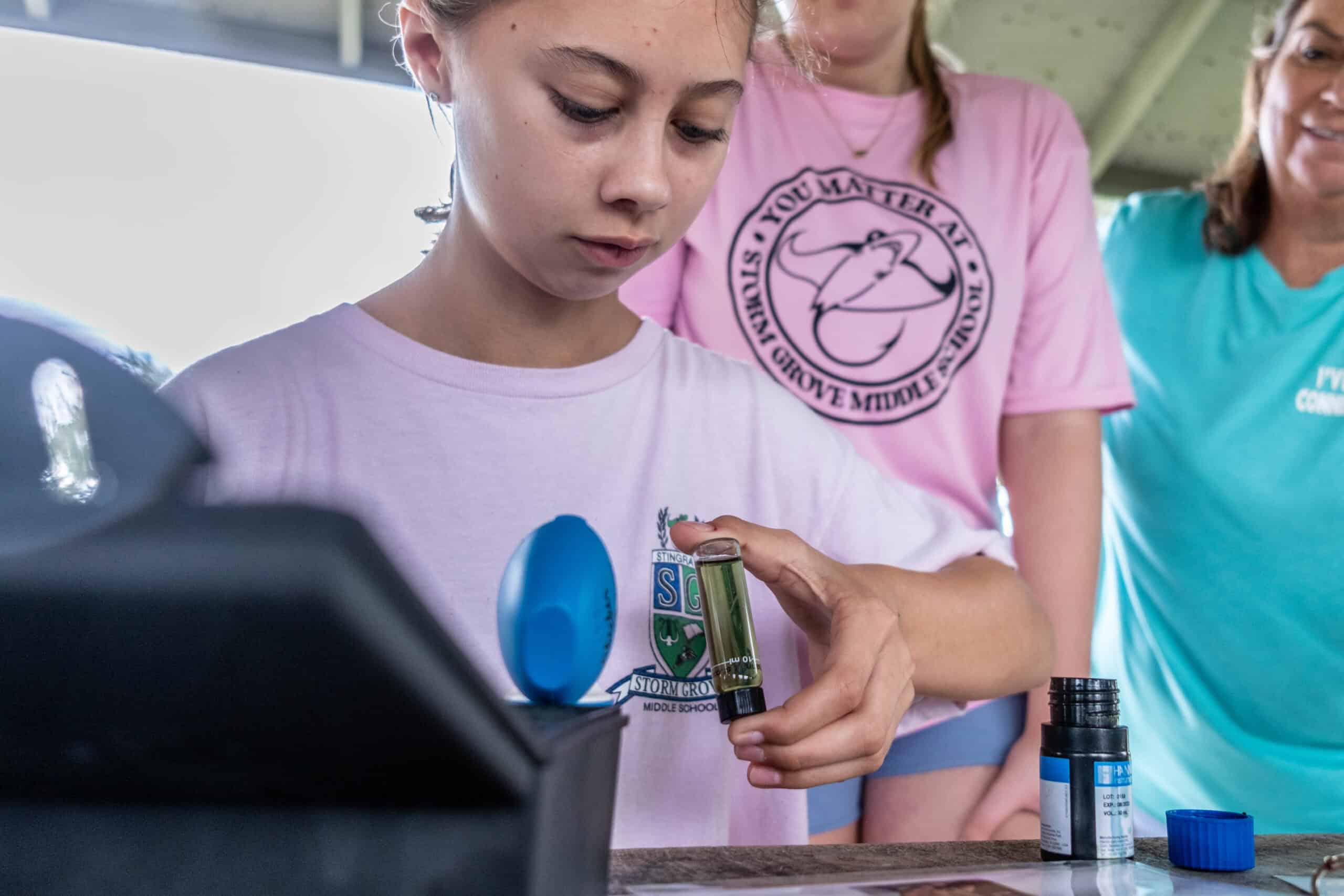
Working alongside environmental organizations, students conducted a comprehensive suite of tests, measuring core water quality parameters, including temperature, salinity, dissolved oxygen and pH, along with key nutrient concentrations such as nitrite and phosphate, while also performing biological inventories of local species.
By performing the same tests in the same way each year, the data can be compared, providing insight into environmental changes and tracing long-term health trends in the estuary.
Despite efforts to limit the use of glyphosate, Missy Weiss, ORCA director of Citizen Science, said that low concentrations of the herbicide continue to show up year after year all along the lagoon, meaning that there is a continuous input.
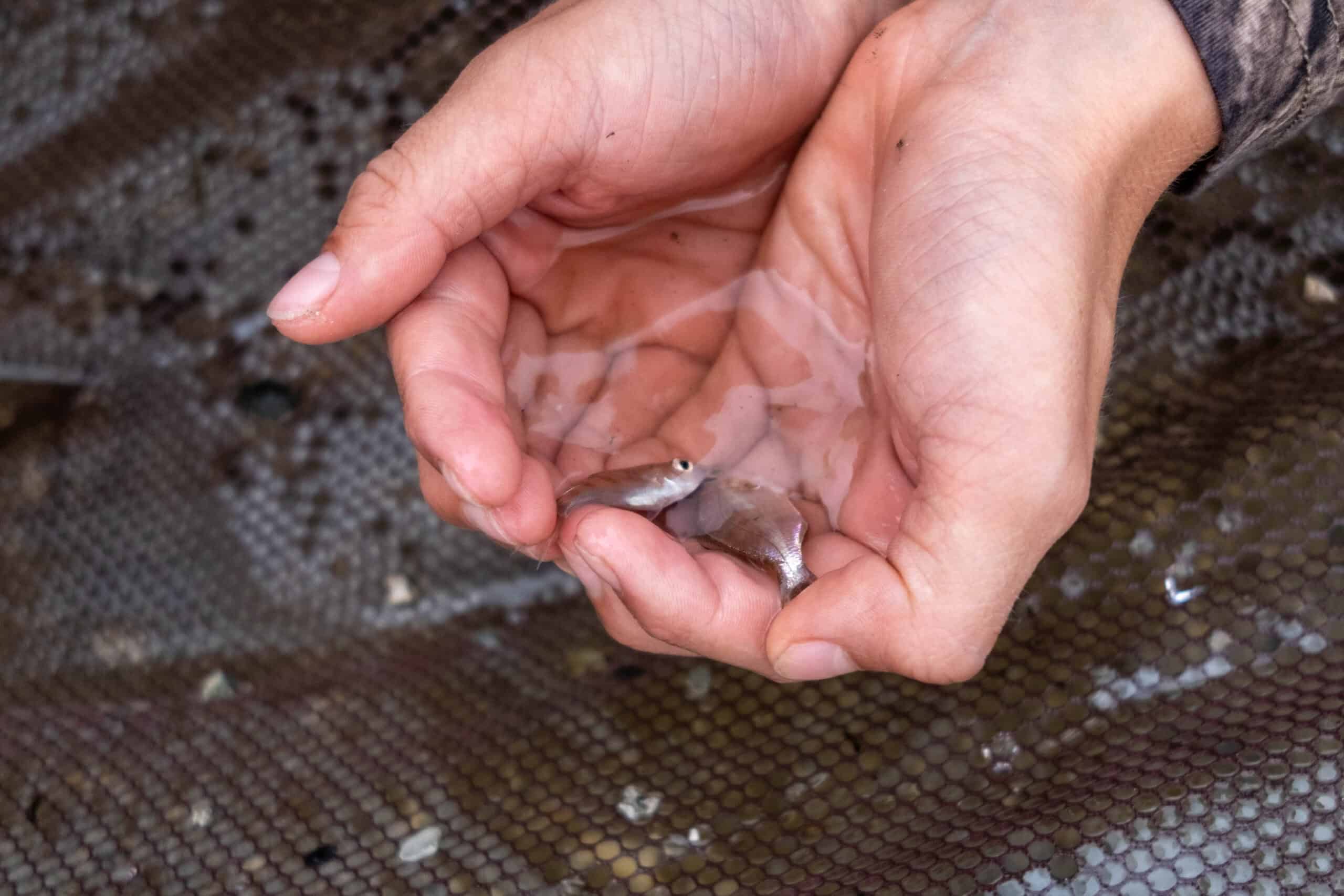
Weiss explained that while some locations hauled in seine nets filled with juvenile snook, mojarra and mangrove snapper, others came up empty, demonstrating how unique and sensitive each sample site along the lagoon is. The heavy rain preceding this year’s ADIL will also add a variable that will affect results, including diluting salinity.
ORCA offers five free classes to schools participating in ADIL. Two classes occur before the day in the field, introducing students to the Citizen Scientist program and generating excitement. A hands-on session allows students to practice using the water quality equipment.
“It puts into context everything that they may have heard or learned about in books or stories or in school. You allow for more of a meaningful relationship between themselves and the Indian River Lagoon,” Weiss explained.
For many students, the lagoon is an abstract concept until they wade in and explore. Then it transforms into a living, tangible world. Getting their hands dirty and their feet wet enhances their understanding of the lagoon’s ecosystem.
“Any opportunity to allow students of any age to interact physically with the Indian River Lagoon is a valuable opportunity,” said Weiss.
“Just like when you go to the doctor and you’re trying to understand what may be wrong with you, we’re going to do a series of tests to try to identify how healthy or unhealthy the lagoon is to them.”
The data collected will serve as a core data set for participants in ORCA’s Data Jam competition held each spring, during which students use the information to analyze trends and present findings through various artistic means.
Weiss noted that ORCA is planning to expand the ADIL project to include adult community volunteers, including HOAs and civic organizations, recognizing that broad community participation is essential for the long-term health of the lagoon.
Since 2018, more than 10,000 students and citizen scientists have participated in ADIL, one of ORCA’s four citizen scientist programs.
Other programs include the One Health Fish Monitoring Project, where volunteers collect and test fish for natural toxins and manufactured toxicants; Pollution Mapping, where citizen scientists monitor key sites seasonally, collecting water and sediment data to identify pollution sources; and Land to Sea, where volunteers build and monitor living shorelines using native plants to filter runoff and minimize pollution entering the waterways.
The nonprofit’s annual fundraiser, the ORCA Explorer’s Experience, is scheduled for Feb. 28, 2026. For more information, visit teamorca.org.
Photos by Joshua Kodis