Founded in 2003 by the Rev. Crystal Bujol as the Gifford Youth Orchestra, the nonprofit is now entering into an exciting new chapter with a broader mission, more varied programming, and a new name reflective of those aims – the Gifford Academy for Performing Arts.
Casey Lunceford, executive director, said that days after announcing their new moniker, they received a unique opportunity to celebrate the milestone with a Stradivarius Violin Reception and Lecture.
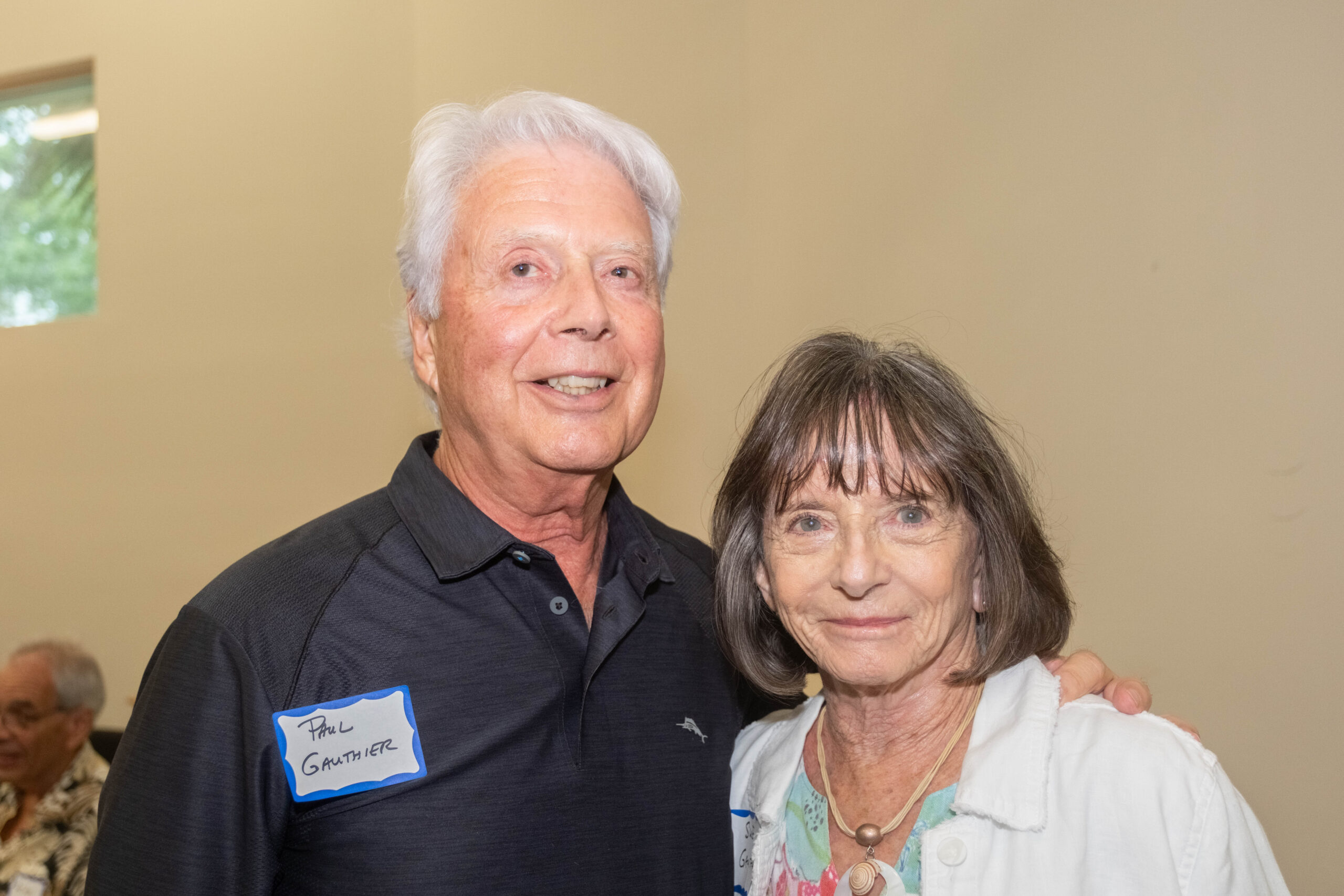
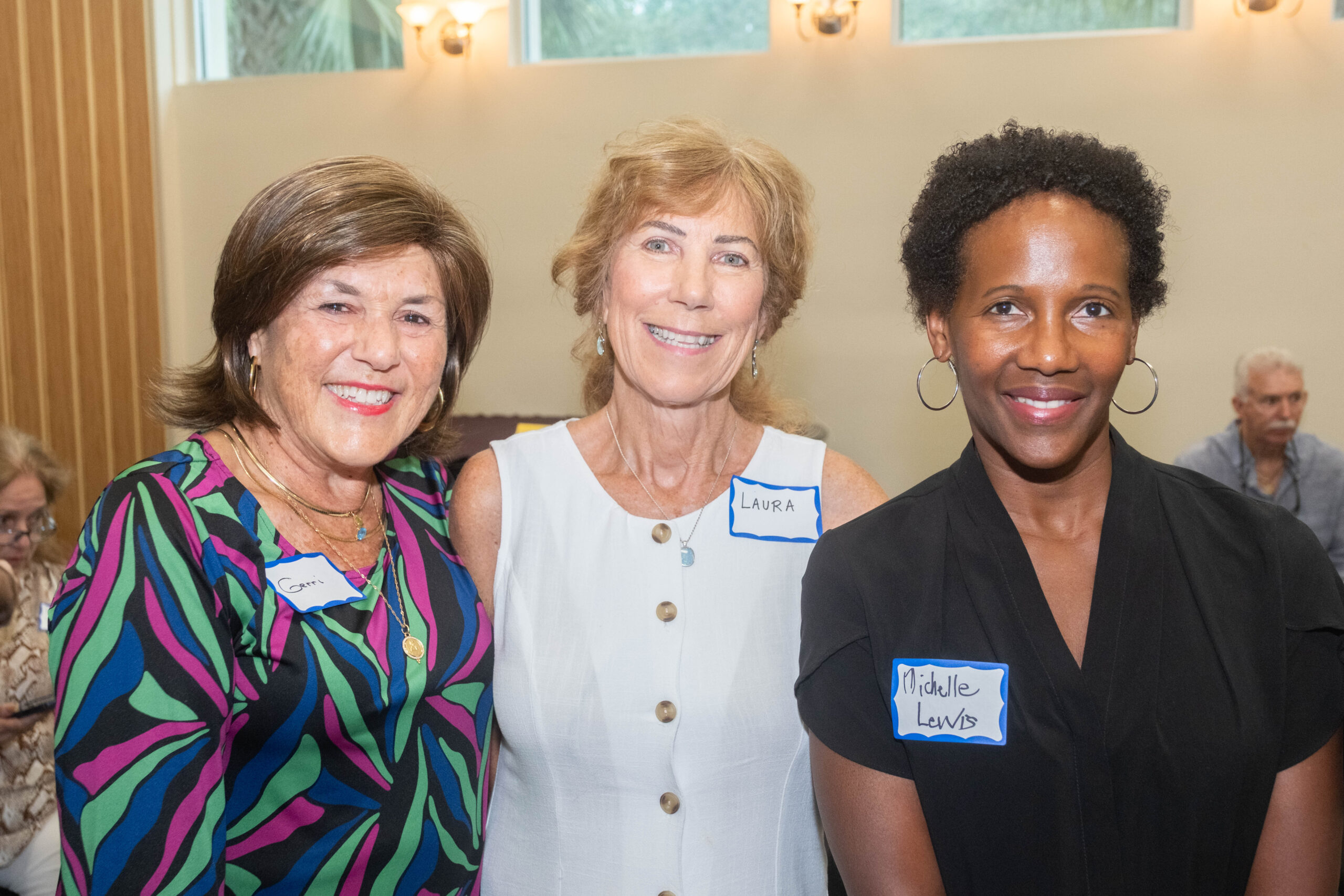
The two-part event took place at the Community Church of Vero Beach, with VIP supporters gathering in the choir room where they heard the rare instrument played by gifted violinist Matt Stott. Later in the evening, there was a lecture about it in the church’s main sanctuary.
“This is such a unique story, and I think that’s the thing that caught my attention. We had a unique opportunity here,” said Lunceford during the VIP reception.
“The whole story, it’s just fascinating. Not only is it about the instrument, it’s about the journey they’ve been on to get to this point. So, we are really in for a treat this afternoon,” he added.
Vero Beach was a stop on the way to Palm Beach by Cleveland resident Terry Kavalec, where the violin is slated for auction.
Kavalec, who has spent years on his quest to verify the authenticity of the Stradivarius, spoke of its known history and the difficulties in proving it as genuine.
His business partner, luthier Peter Zaret, holds a master’s degree from Julliard and has some 40 years in violin acoustics research and development through his company, Peter Zaret and Sons Violins in Cleveland.
Establishing the violin’s provenance has been hindered by the fact that little is known of its early history. The inside label states “Antonius Stradivarius faciebat Cremonensis [made at Cremona] Anno 1737.” However, as labels can be forged, that alone is far from enough.
What is known is that in 1924, violinist Antonio Gerardi (who played for the Boston Symphony Orchestra and the New York Philharmonic) purchased it from the estate of wealthy businessman Gordon McKay, an amateur violinist. Gerardi passed it on to his daughter, and Zaret purchased it from her 1998 estate at auction for $20,000.
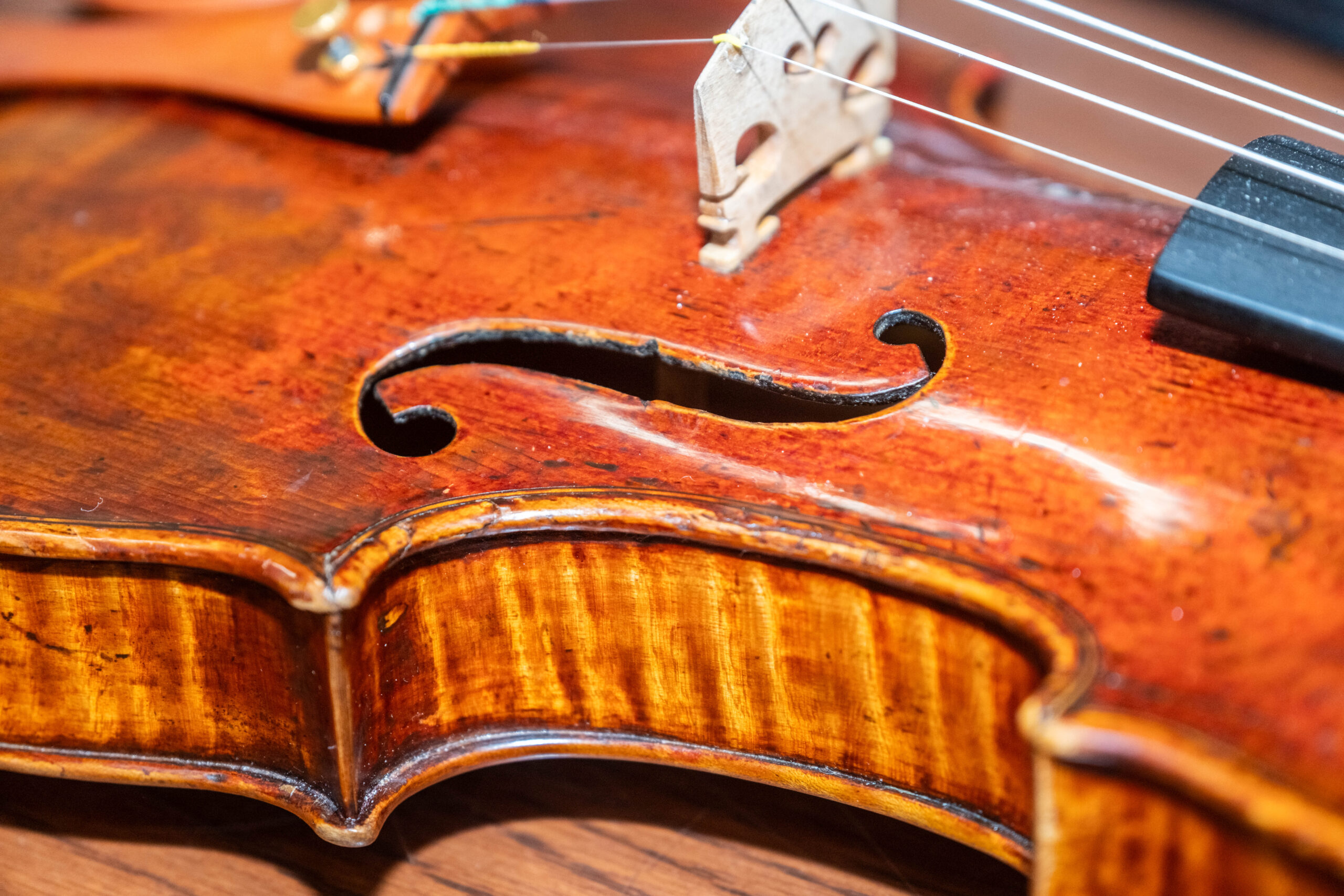
Through his extensive research, speaking with scientific experts inside and outside of the violin world, Kavalec said he has learned many things. Among them, the reddish cochineal varnish, made from the cochineal beetle that lives on pear cactus plants, is a unique characteristic of Stradivarius violins.
“Cochineal varnish is now known as one of the fingerprints of Stradivari,” said Kavalec.
Another unique feature, he said, are the F-holes, the two stylized openings at the front, which were proven to be made by the master after conducting a series of photographs on an X-ray spectrometry machine.
“By the way, the true litmus test of the Stradivarius, especially when it’s unpublished, is you will not get an insurance policy unless you have an airtight file. There can be nothing in question,” said Kavalec.
Before delighting the crowd with his playing, Stott recalled one of his favorite poems, ‘The old Violin: The Touch of the Masters Hand,’ by Myra Brooks Welch. In it, a battered violin at auction had a top bid of $3 until an elderly man showed its worth by playing it, increasing the bid to $3,000.
“Driving over here, I was worried I would have the opposite effect,” said Stott with a laugh, before enthralling his audience by playing the famed symphonic intermezzo “Méditation,” from the opera “Thaïs” by Jules Massenet.
Stott, a lifelong violinist and graduate of Baylor University School of Music in Texas, served as director of orchestras in the Indian River County school system from 2001 to 2019, and is now music director and children’s pastor at King’s Baptist Church.
When asked what contributes to the rich sound of a Stradivarius violin, Stott answered that nobody really knows. Despite technological advances and the ability of makers to copy every exact nuance, they still cannot seem to produce that same quality.
“There’s a lot of really good theories,” said Stott.
“I think the best theory is that there had been like a mini-ice age in that Black Forest in northern Italy and Europe, and the wood grew very slowly and densely. It was the right age at the right time during this golden age, and so they just had a great natural resource to work with. And then, obviously, they were masters themselves.”
Stott played a couple other pieces including “Amazing Grace,” during which he demonstrated how the violin can produce different resonance characteristics, transitioning from what he called the brighter key of G to the darker key of A.
The Gifford Academy for Performing Arts is an afterschool program with a goal of empowering and transforming the lives of local children through performance, dignity and artistic excellence.
Proceeds from the event will support their students’ lessons, performance opportunities, and cultural enrichment, opening the world of music up to them. The Gifford Academy is currently working to build a state-of-the-art space to be able to reach and encourage even more young people.
For more information, visit GiffordAcademy.org.
Photos by Joshua Kodis