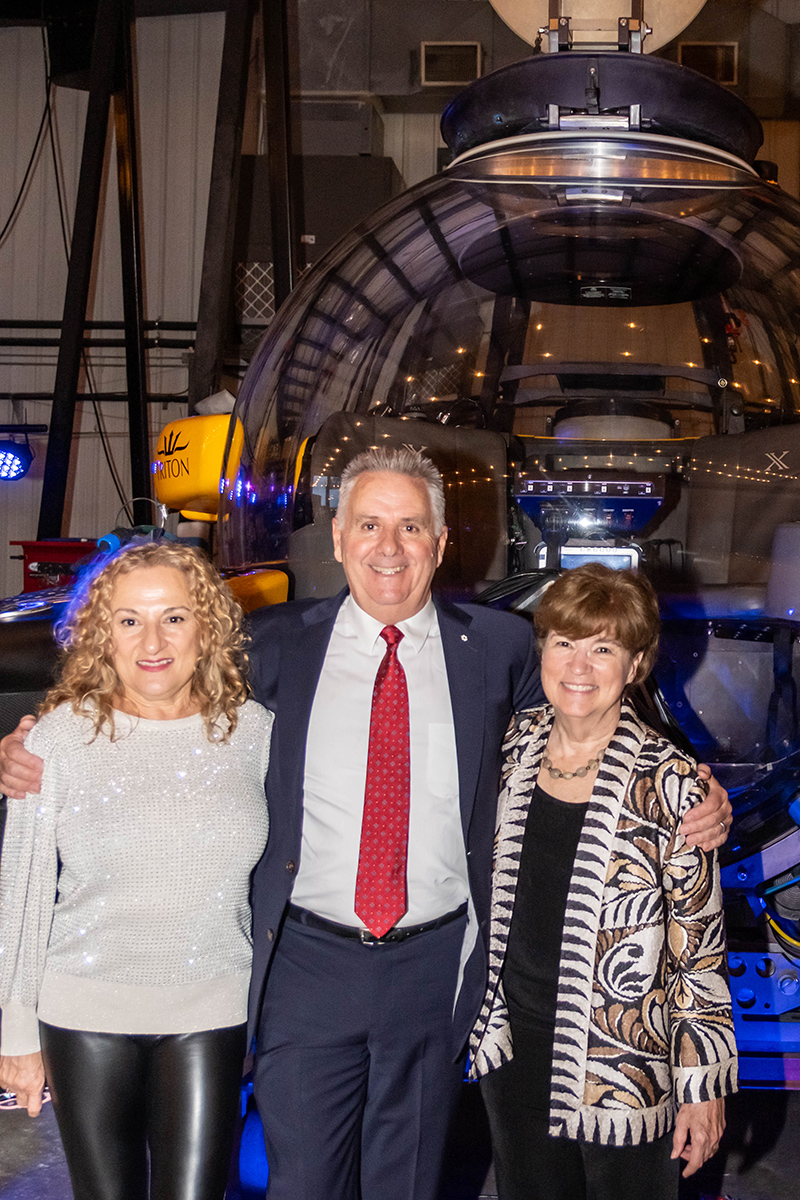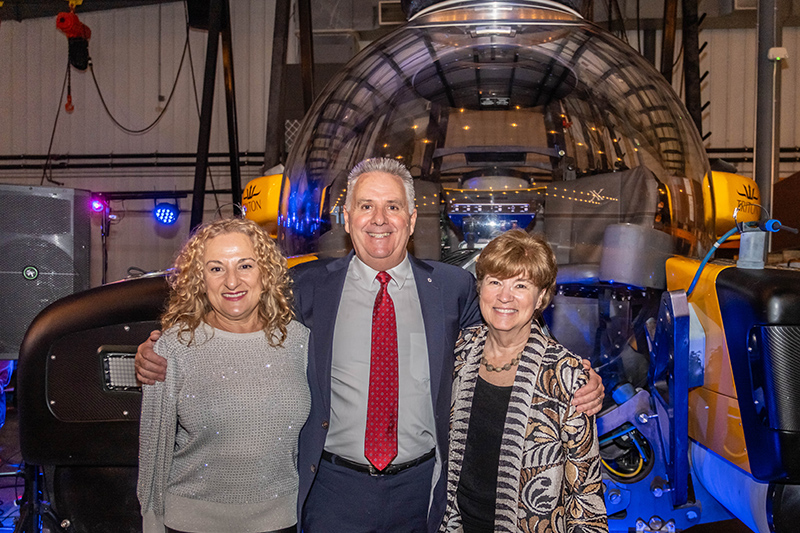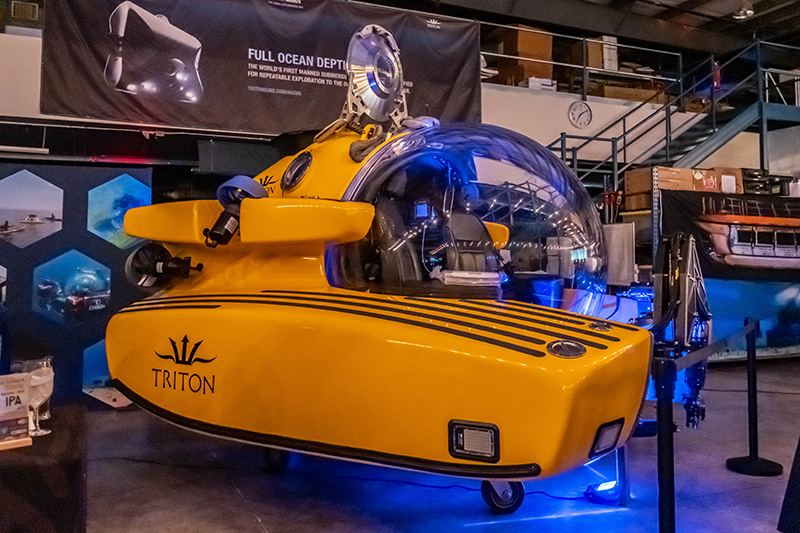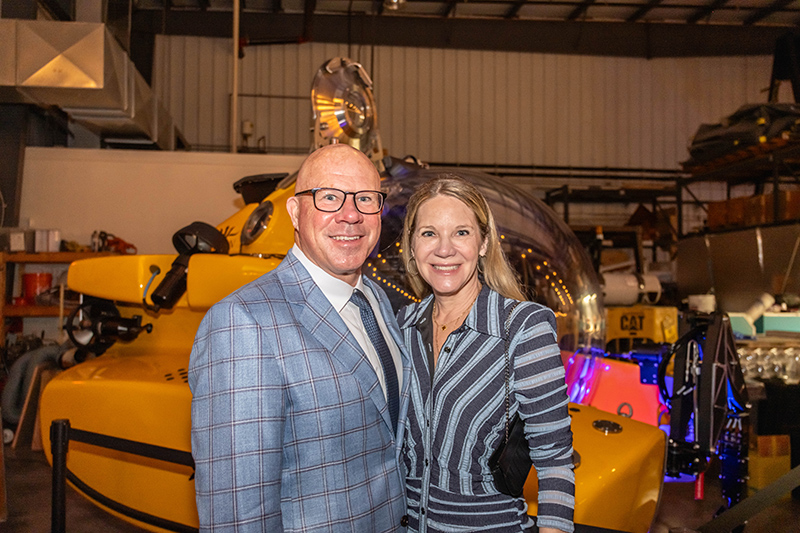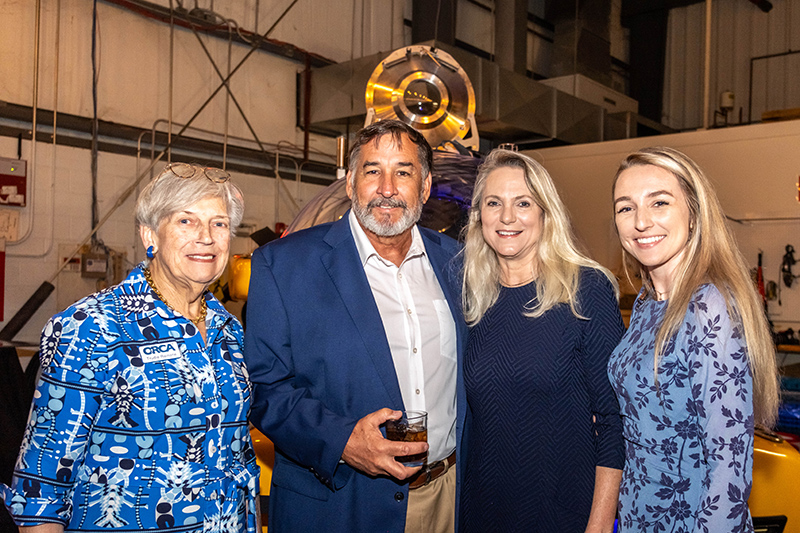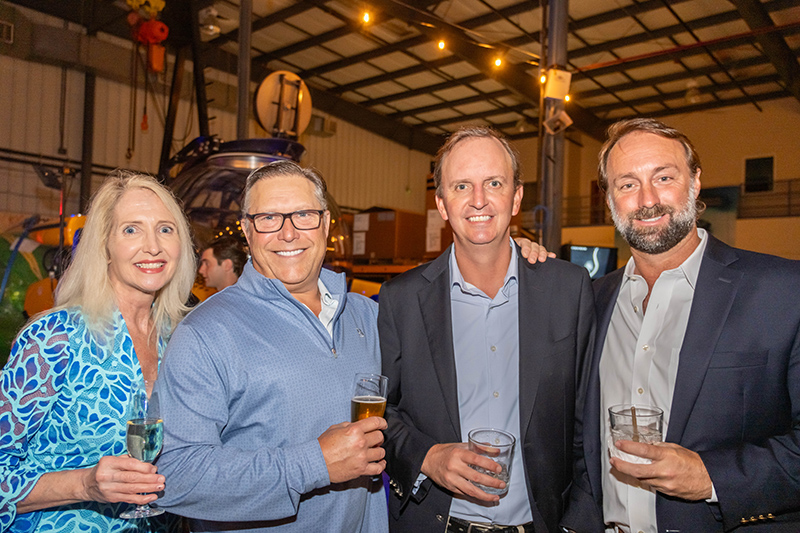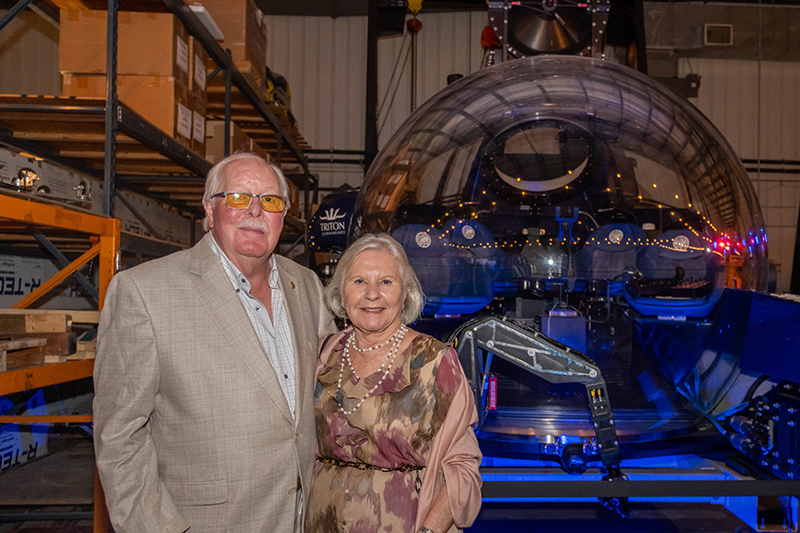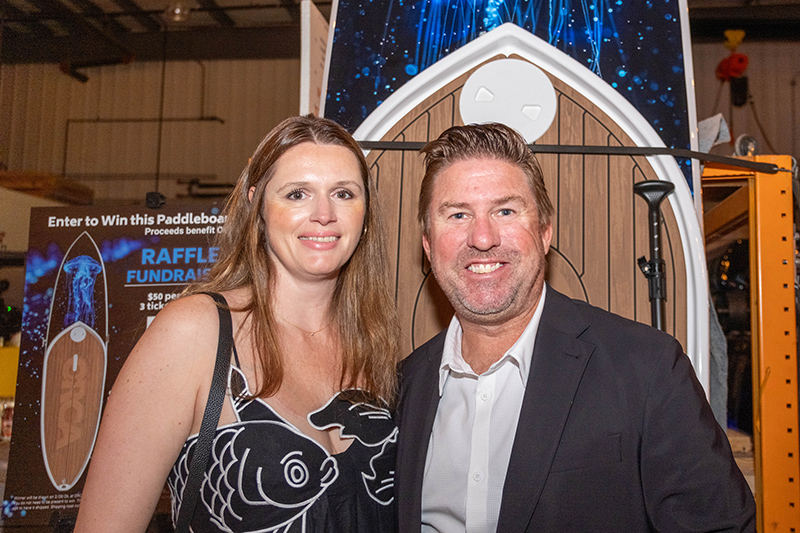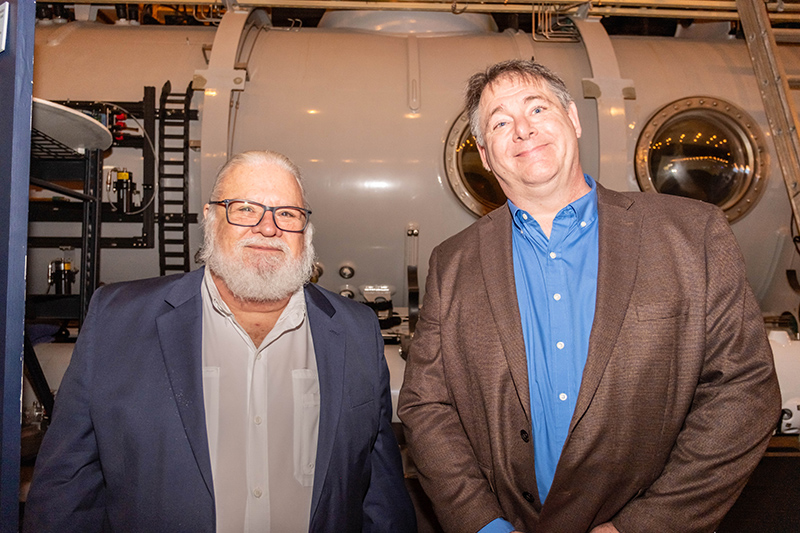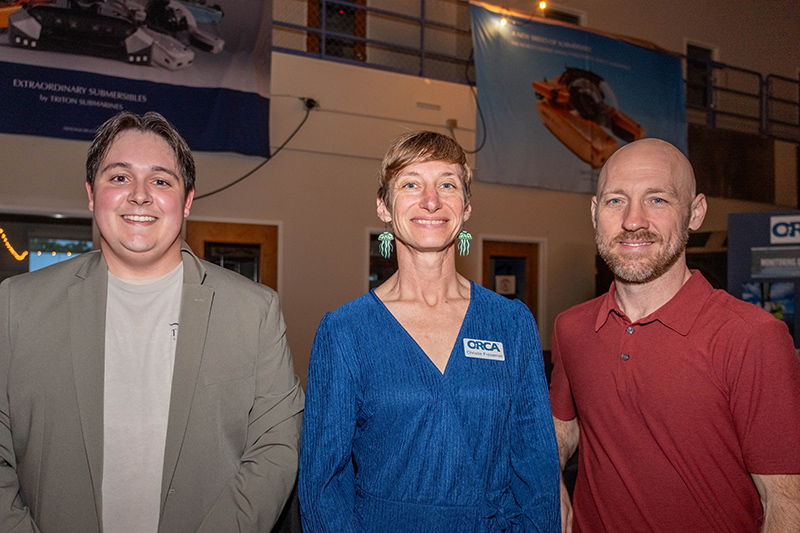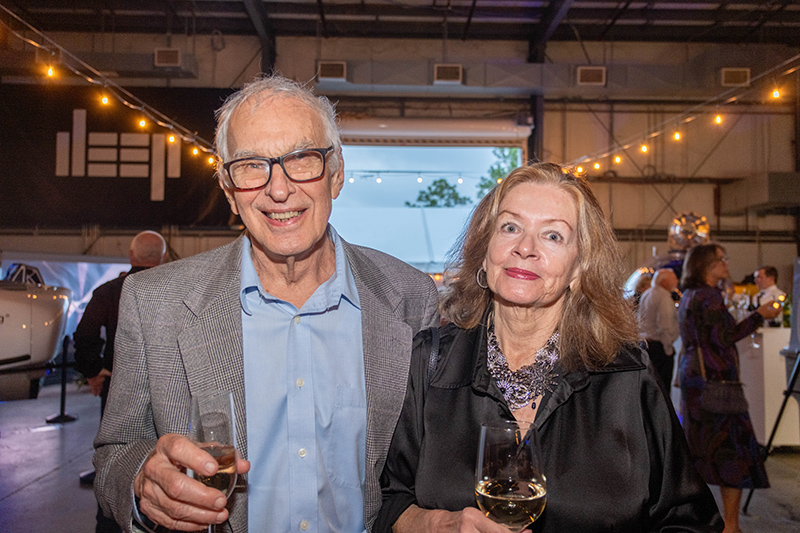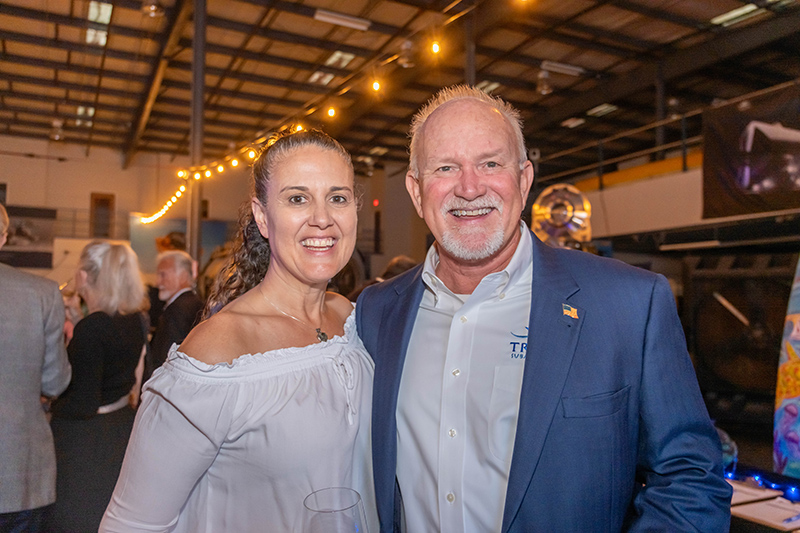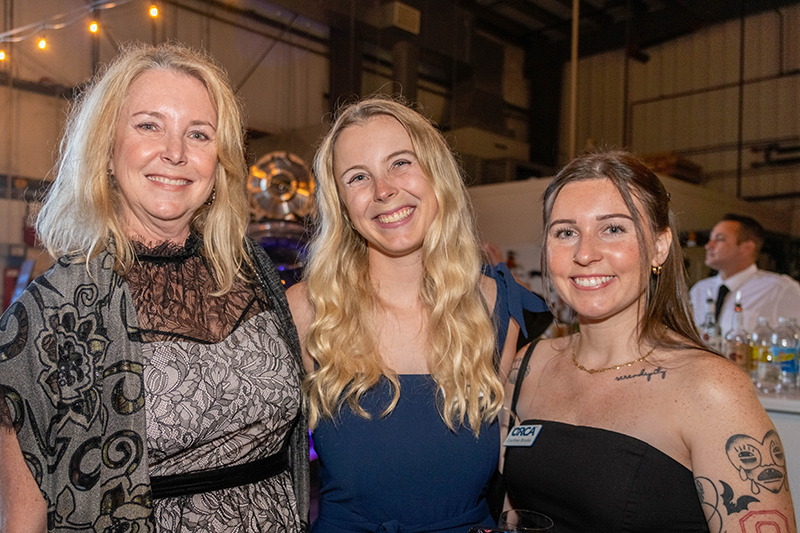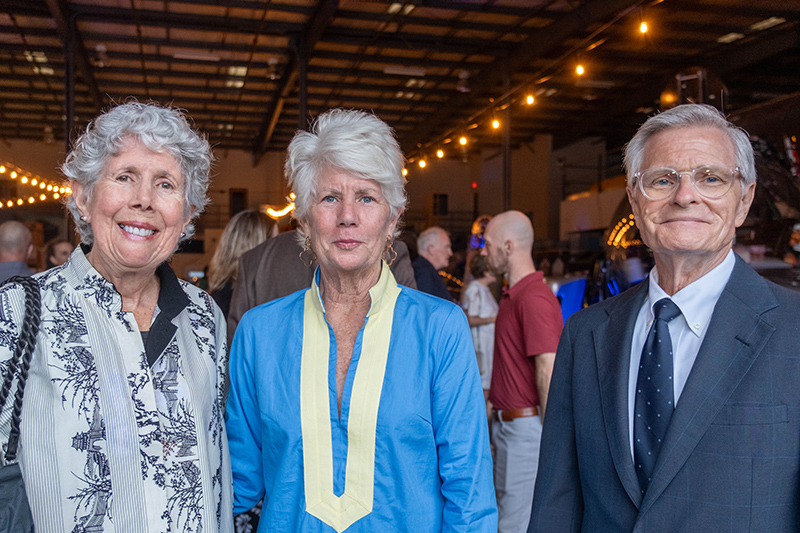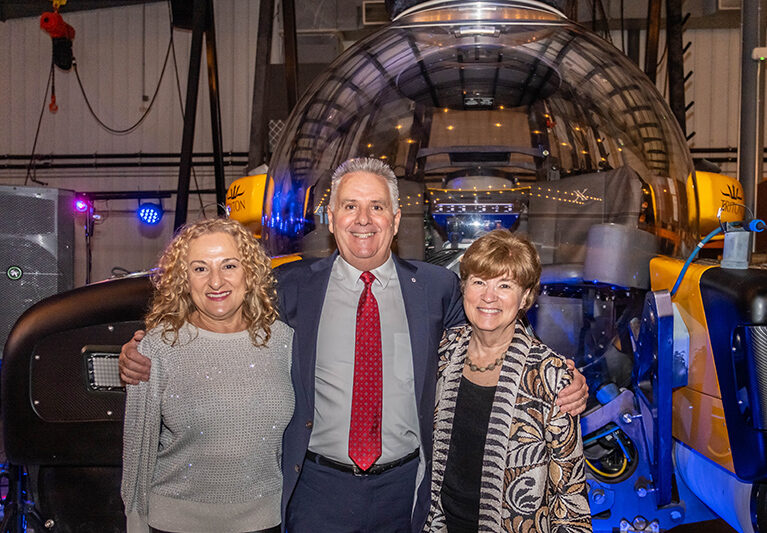
Guests at the Explorer’s Experience fundraiser to benefit the Ocean Research and Conservation Association entered the undersea world of Triton Submarines, surrounded by the types of state-of-the-art, deep-sea submersibles used by ocean explorers, including ORCA founder and CEO Edie Widder, Ph.D.
The goal of the nonprofit is to protect and restore the Indian River Lagoon and, ultimately, the ocean, through science and education.
“It’s just so amazing to me that Triton opens their facility up to us like this every year. I’m just so incredibly grateful” said Widder.
Widder said she had enjoyed a “fabulous career” at Harbor Branch Oceanographic Institution before founding ORCA in 2005 after learning about the degradation of the lagoon, a biodiverse estuary and important marine life nursery.
“It’s always been a little tricky to try to get people to understand this connection between the deep sea and the Indian River Lagoon. But trust me, they are very, very much connected,” said Widder.
Her interest in oceanography is highlighted in a new documentary about bioluminescence, “A Life Illuminated.”
“The first time I went down in a submersible in 1984 and turned out the lights, I knew I would see bioluminescence, but I was just completely unprepared for how much I saw. And it changed the course of my career. I was in the middle of a fireworks display, and it was absolutely breathtaking.
I’ve got to tell you: there’s just no better experience,” said Widder, before introducing Triton Submarines CEO Patrick Lahey.
“We’re always so delighted that we can host this event for Edie and her brilliant organization, ORCA. We love working with them and we recognize the importance of the work that they do and the impact that it can have,” said Lahey.
He agreed with Widder that experiencing a submersible dive can fundamentally change the way people think of the ocean.
“I can virtually guarantee you that it’s nothing like what you expect,” said Lahey.
After giving a shout-out to his team, Lahey gave a quick walk-through of the subs on display, including the Pagoo, “a fantastic sub” which can carry 10 people and dive to 1,200 feet.
He explained that many subs are labeled by the diving depth and number of people it carries, such as a pair of yellow Triton 1650/3s, a silver Triton 3300/3, and a blue 3300/6.
“Today we’re building a sub that will go to 13,000 feet that has a pressure boundary made out of acrylic. It’ll be the first time that anybody can go to those kind of depths with a transparent pressure valve,” said Lahey, noting that the more compelling the visuals, the more powerful the experience.
“Thank you for being out here to support Edie and ORCA, because the work they do really matters and really makes a difference.”
As people sat for a dinner by Elizabeth D. Kennedy & Co. Catering, Widder spoke a little more about ORCA, an independent science-based organization whose dedicated staff are getting measurable solutions.
ORCA has the largest real-time monitoring network in Florida, and an ecotoxicity mapping program that indicates polluted areas of the lagoon to help stop it at its source.
Commenting on the seriousness of toxic algae blooms, she said evidence is growing of a connection between aerosolized blooms and Alzheimer’s ALS and Parkinson’s diseases.
“It’s clearly not good for you. It has both chronic and acute effects,” said Widder. She added that we need to find solutions for our own sake as well as for the lagoon and marine life in our oceans.
For more information, visit TeamORCA.org.
Photos by Norah Kodis