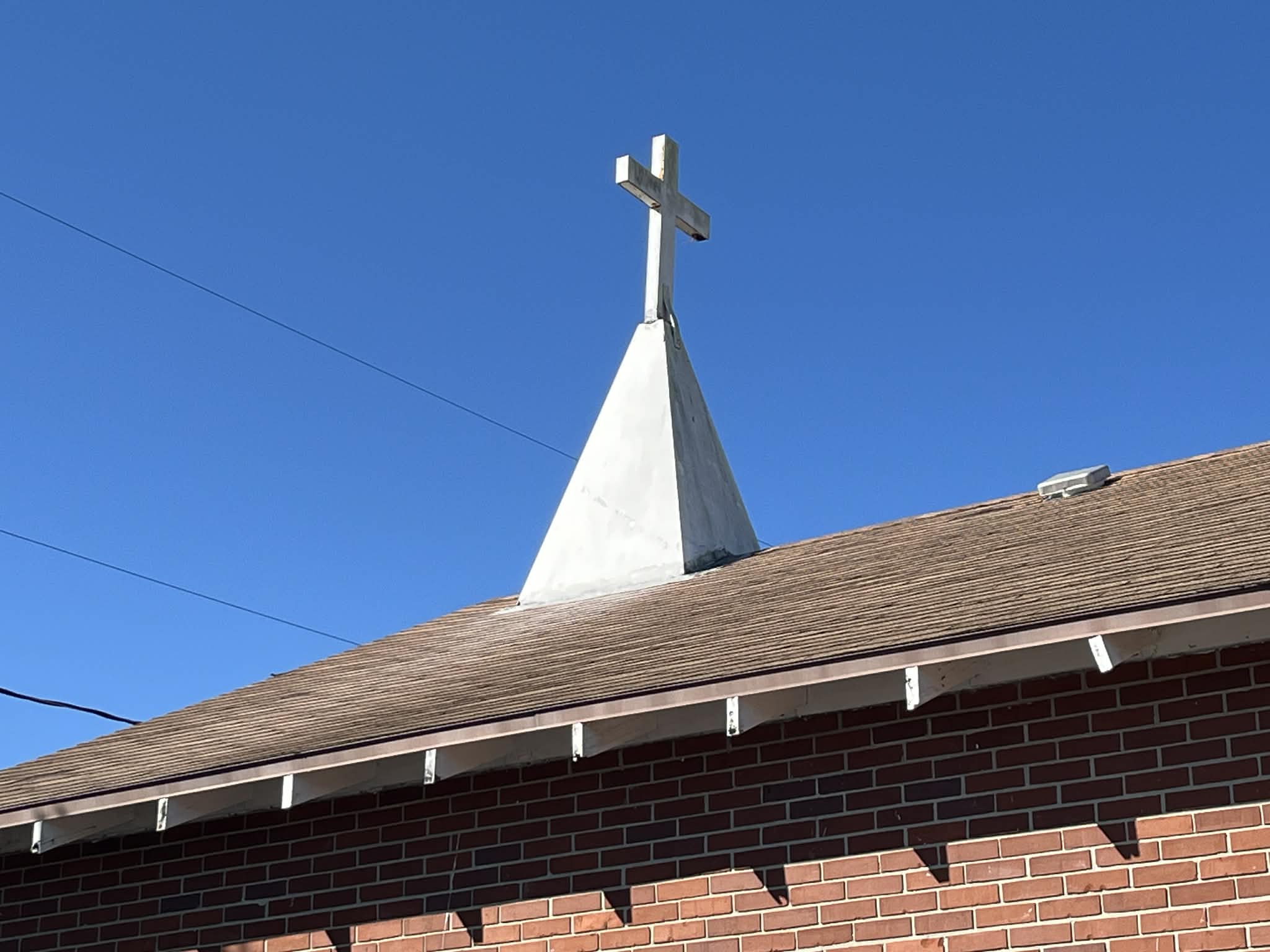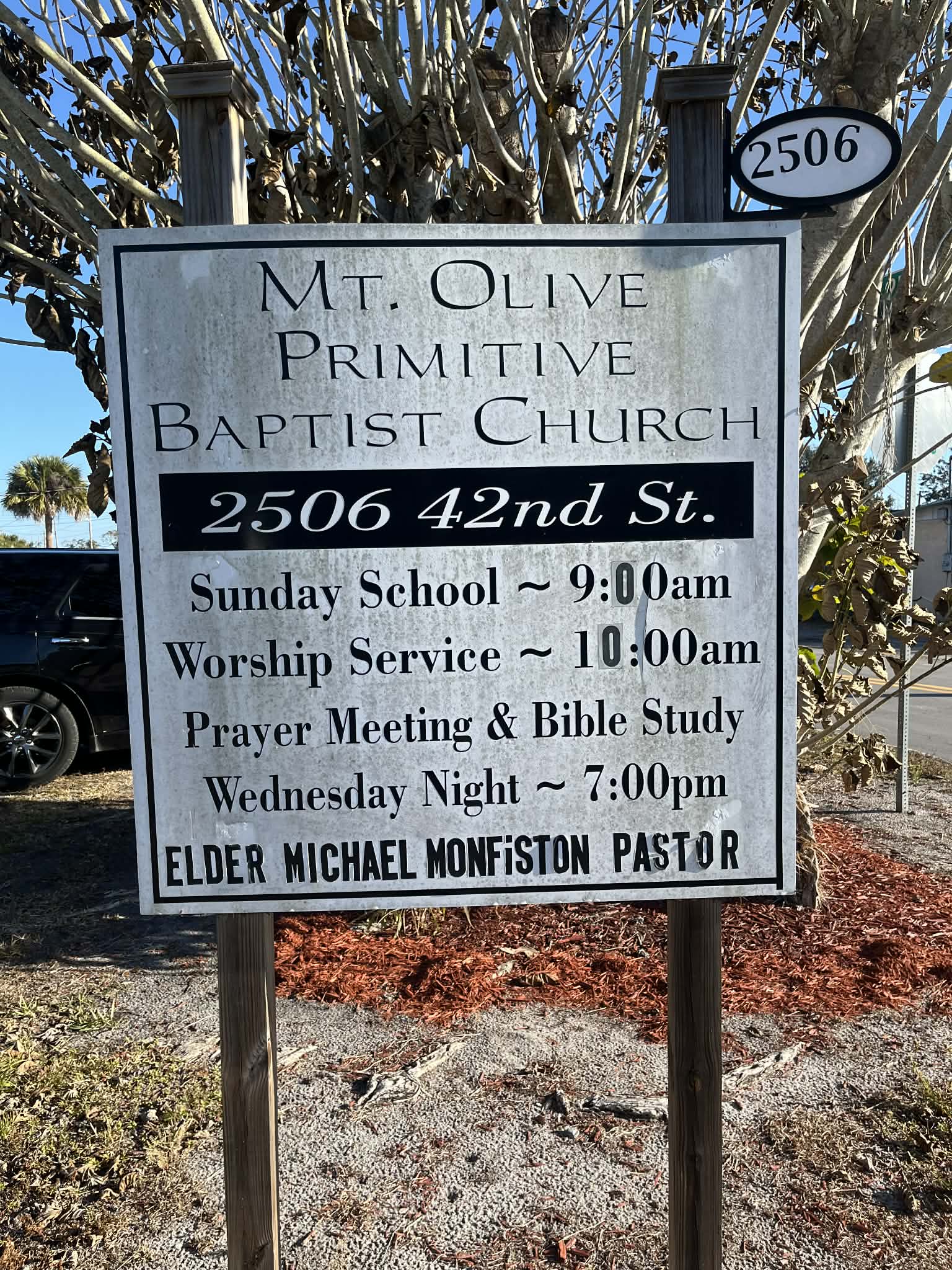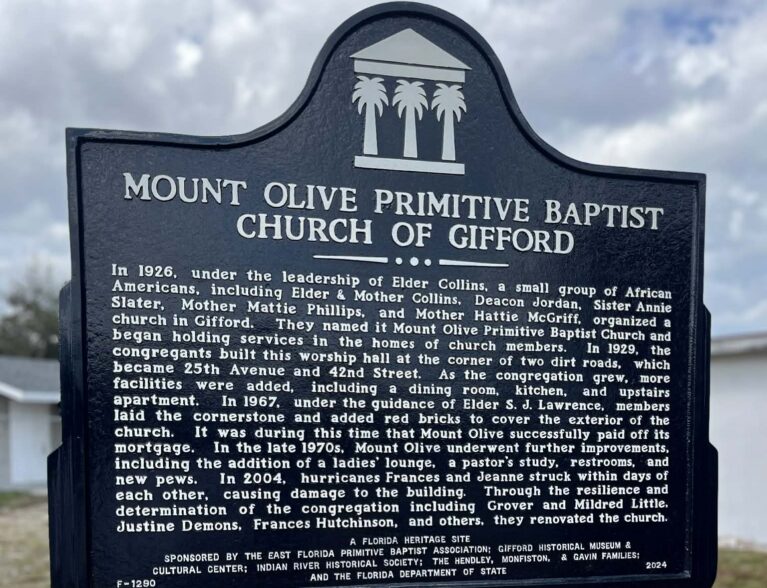
Several generations of families have walked through the hallways of Mount Olive Primitive Baptist Church of Gifford – a small, red-brick worship hall on the corner of 42nd Street and 25th Avenue. The sanctuary, where the practice of foot washing is carried out as part of Communion as a sign of humility and service to others, received a historical marker in February ahead of its upcoming centennial anniversary this fall.
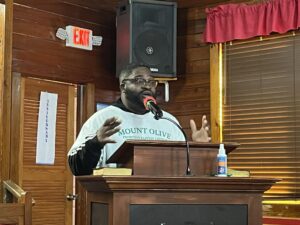
Elder Michael Monfiston, pastor of Mount Olive Primitive Baptist Church of Gifford. PHOTO BY NICK SAMUEL
Elder Michael Monfiston said the centennial will allow congregants to honor the church’s past and intentionally prepare for the future.
“This church has a very rich history. Reaching 100 years is a milestone,” said Monfiston, who recently celebrated his 10-year anniversary as pastor of the church. “A lot of educators and entrepreneurs are part of this church. This church is (ingrained) in the history of Gifford.”
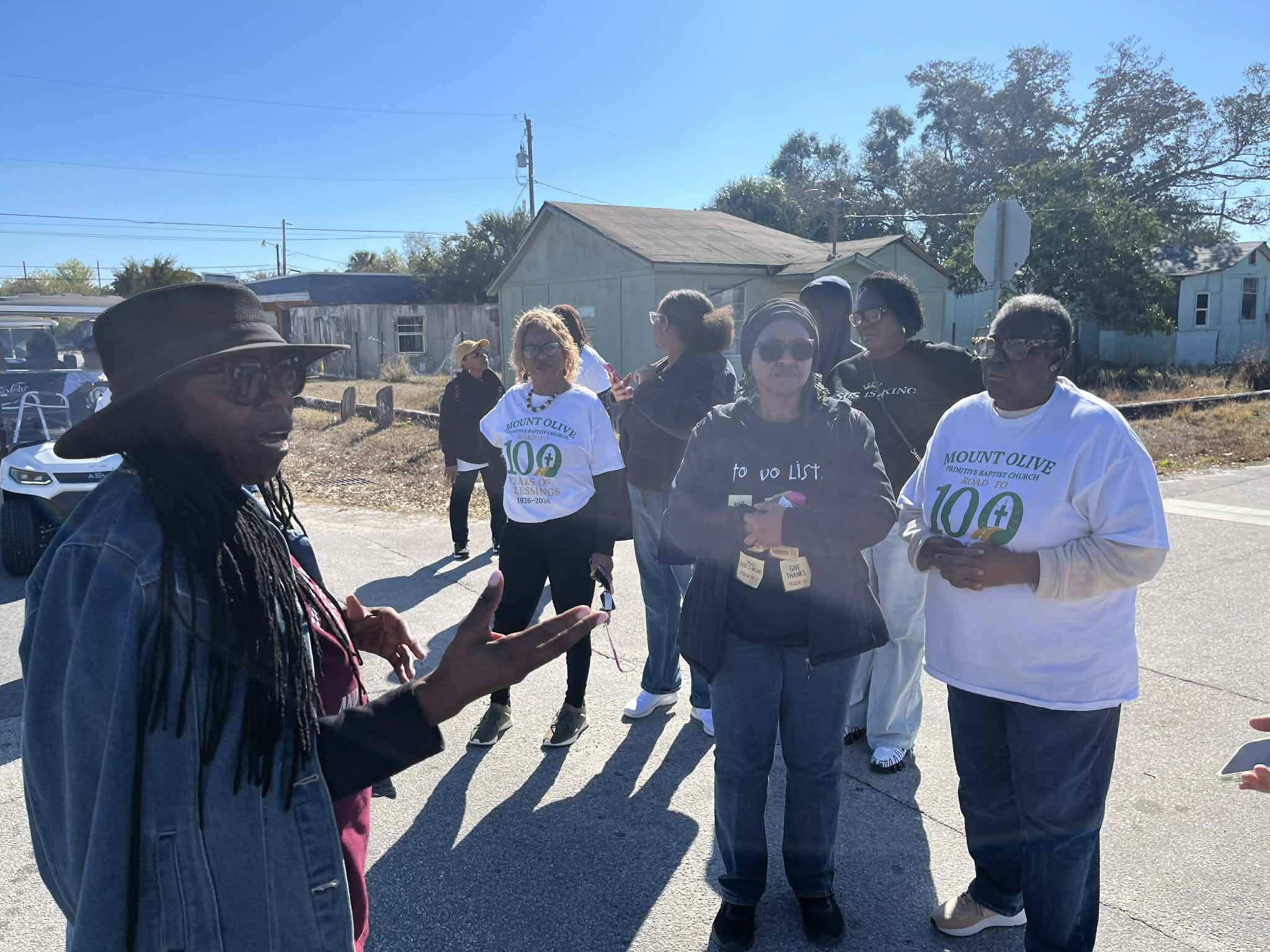
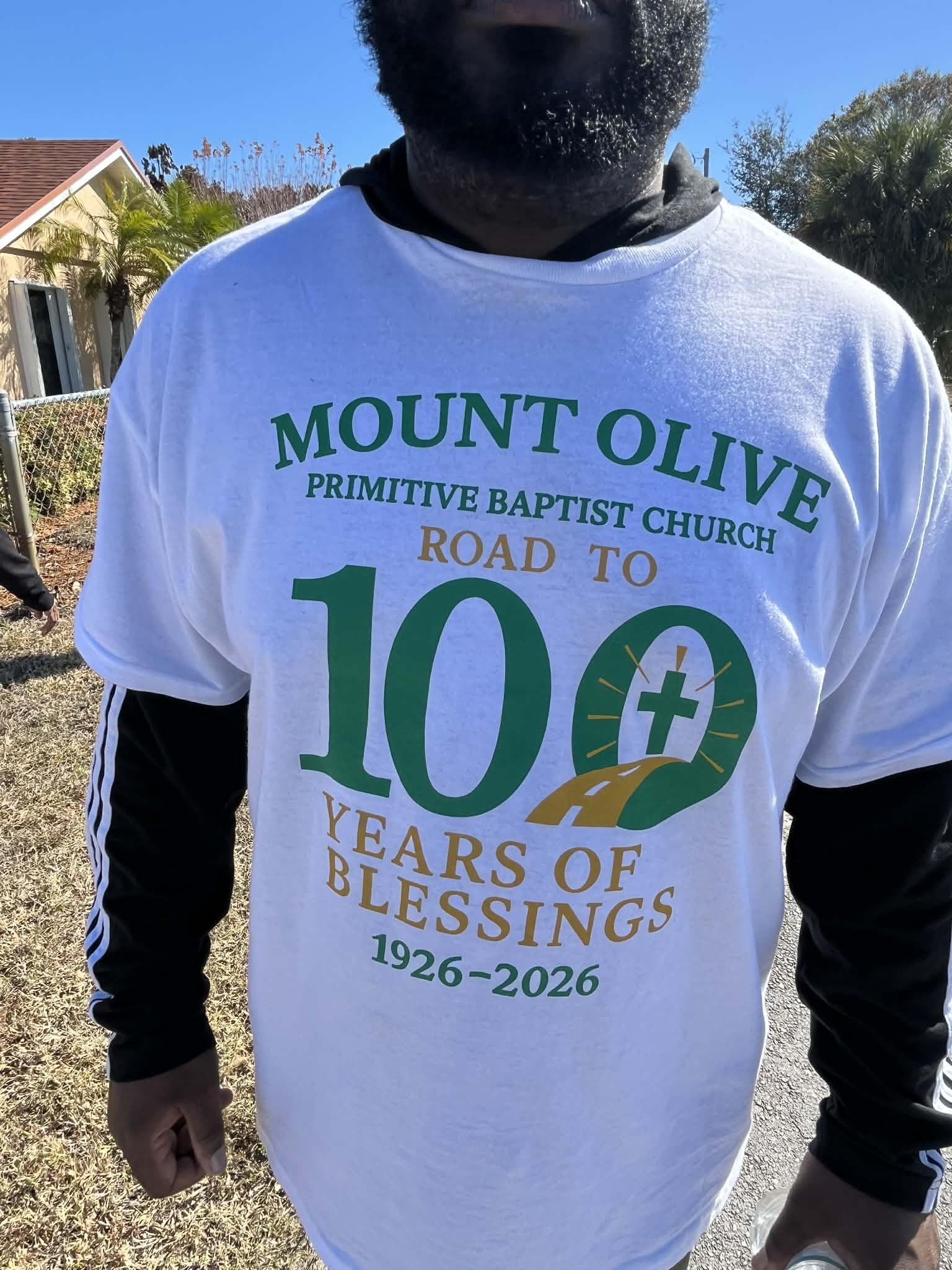
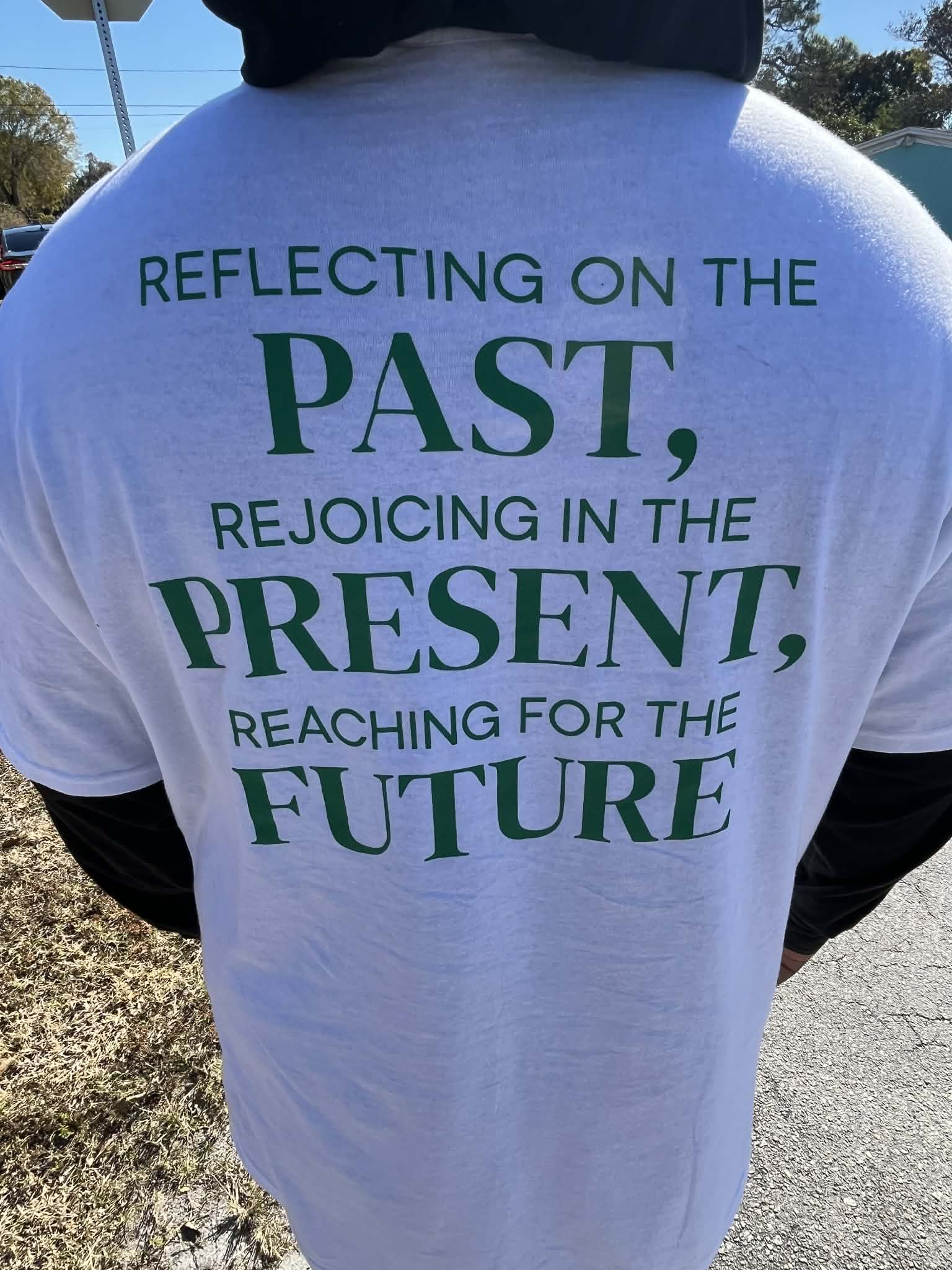
Congregants gathered at the church on Feb. 7 for the ‘Road to 100’ event which featured the historical marker unveiling.
Video by Nick Samuel
The gathering was one of many pre-celebrations planned before the main centennial weekend program to be held in September at the church. The recognition marks it as one of Indian River County’s oldest churches.
“It’s quite amazing. There’s not a lot of churches that reach 100 years,” said Aalaya Allen, who is part of the choir and president of the Nehemiah Generation – the church’s youth and young adults’ group. “God is working wonders in this church. We are very blessed.”
Church goers who attended the ‘Road to 100’ program learned about the church’s origins through oral stories told by lifelong members, including Estelle Gibson. Gibson, 92, said she joined the church as a young girl. When Gibson got older, she oversaw the youth department and would take the children to Sunday School conventions around the state.
“Some of the youth had never been out of Gifford,” Gibson said. “We took them. We took up collections because some of the parents couldn’t afford it.”
One of the youths was Mildred Little. Little, now 79, serves as the mother of the church.

Longtime Mount Olive church members left to right: Mildred Little, Estelle Gibson and Debra Marshall. PHOTO BY NICK SAMUEL
“We grew under Mrs. Gibson. She was very strict, very respectful and very honest. She and I also worked at the hospital together for many years,” Little said. “You had to listen to her. She meant what she said.”
Little said it was a pleasure to work with Gibson as well as her family in the church. Little said her mother, aunts, uncles and cousins all worked at Mount Olive Primitive Baptist Church.
“I was a secretary. I was in the choir. I was a Sunday School teacher,” Little said. “Anything that my hands could do, I would do it. The church is in my heart.”
Congregants kept traditions alive by singing old hymns such as “Glory, Glory Hallelujah” and “We Have Come This Far by Faith.”
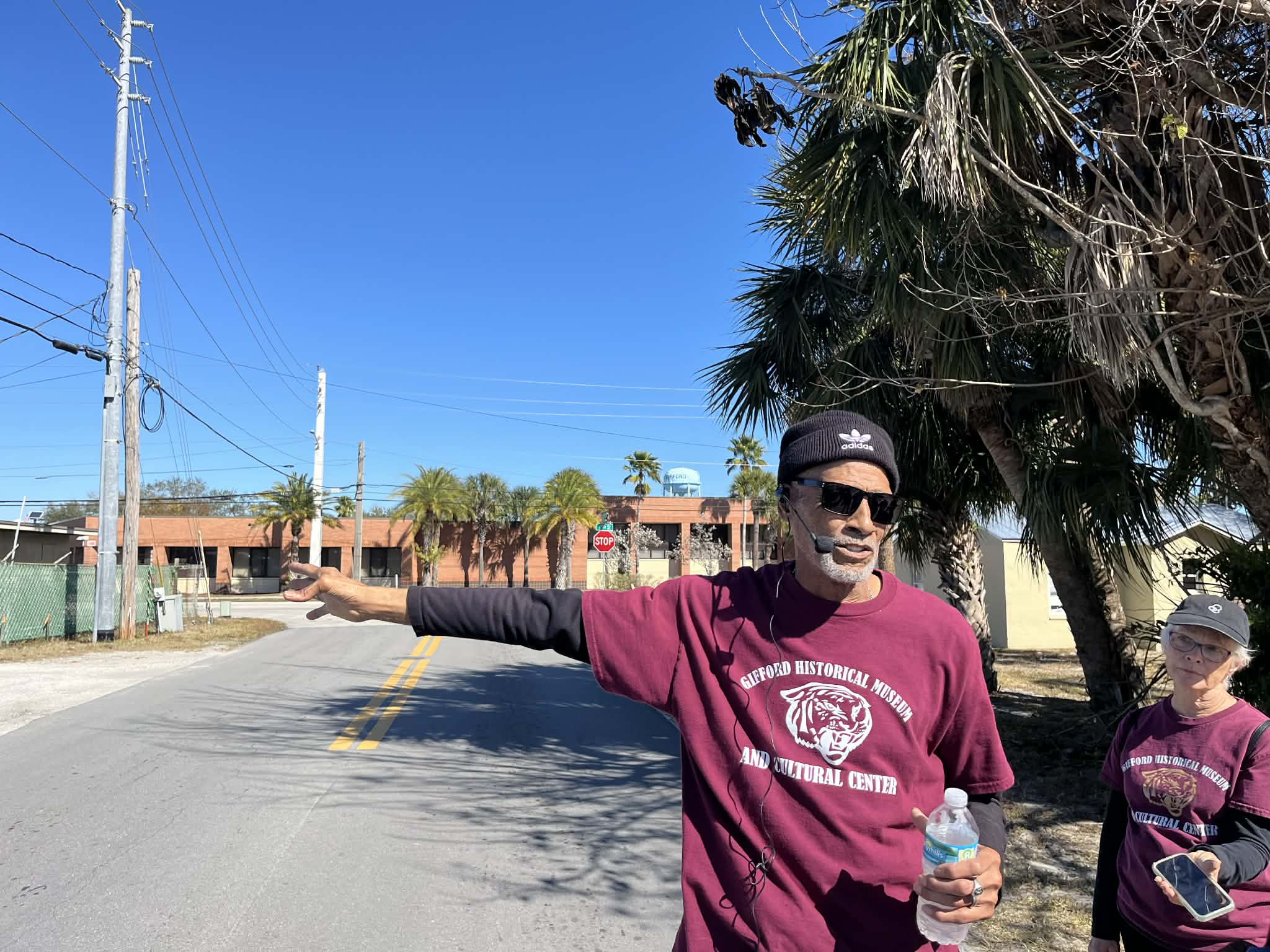
Afterwards, the crowd journeyed on a historical walk and tour through Gifford hosted by the Gifford Historical Museum and Cultural Center.
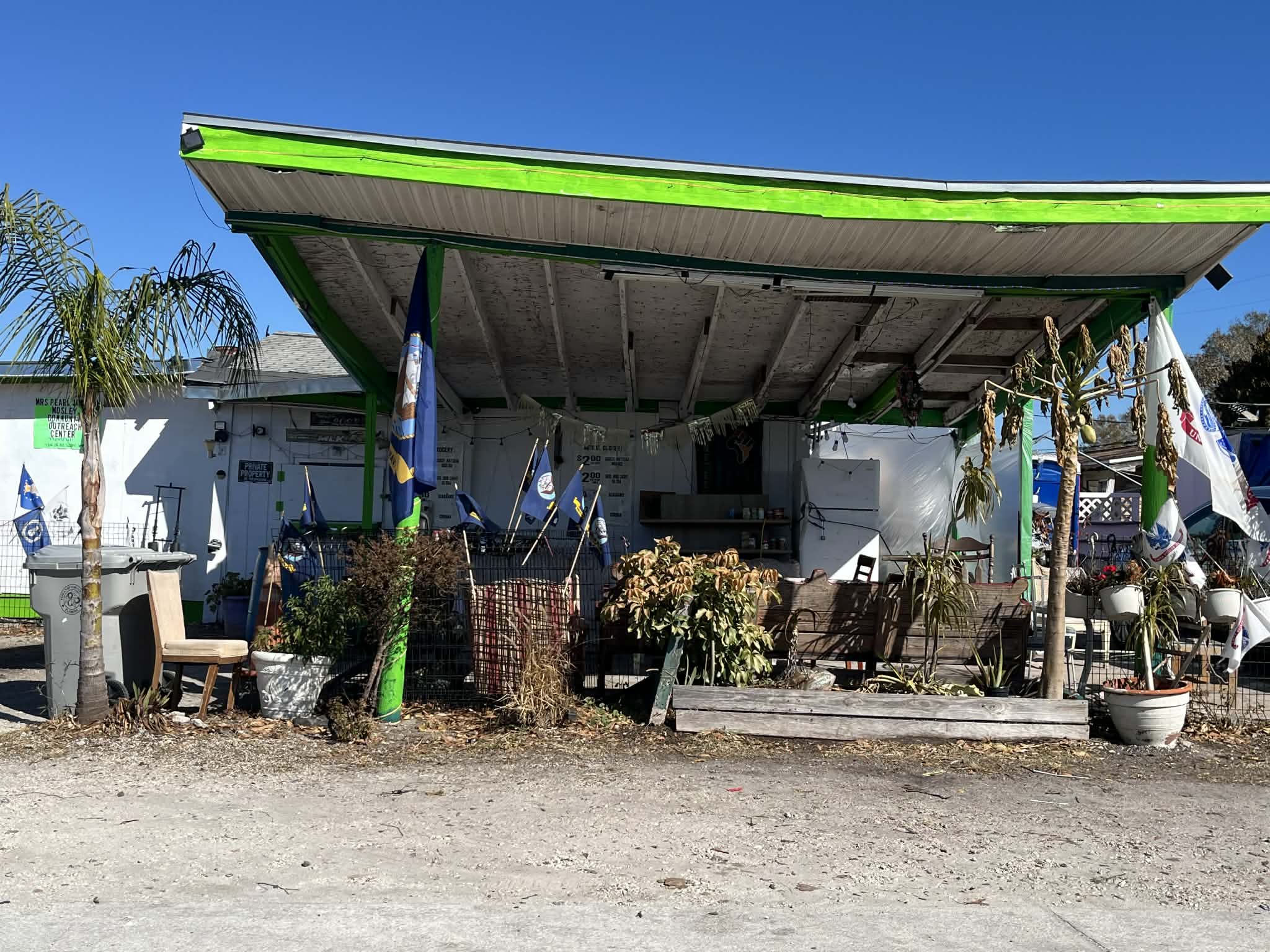
The group listened attentively as museum board member Percy Perry pointed out historic sites such as Mosley Grocery Store. The grocery store, built in May 1961, is still in operation, according to museum officials.
Other Black-owned businesses in Gifford – such as post offices, grocery stores and even a movie theatre – would later shut down.
Video by Nick Samuel
Allen said Mount Olive Primitive Baptist Church was built by God-fearing Black families who had faith in each other and a future that they could not yet see. It was a time of struggle, where families survived long hot summers and in many cases, worked the fields harvesting citrus and other crops.
During times of hardship – from the Great Depression, war and the Civil Rights era – the church served as a place where dignity was affirmed, prayers were lifted and a community was formed, according to Allen.
“Through segregation, labor struggles, hurricanes and change, Mount Olive remained steady,” Allen said before the congregation. “Children were raised here. Families were strengthened here. Elders were honored here. When Gifford was finding its way, Mount Olive helped shape its spirit.”
Allen said the story of Mount Olive Primitive Baptist Church is inseparable from the story of Gifford.
Deeply rooted
Mount Olive Primitive Baptist Church’s humble beginnings are deeply rooted.
A small group of African-Americans, under the leadership of Elder Collins, first organized Mount Olive Primitive Baptist Church in 1926. The congregants initially held services in the homes of church members on the low end of Gifford, according to the historical marker.

Mount Olive Primitive Baptist Church of Gifford PHOTO BY NICK SAMUEL
In 1929, the congregants built the church house at the corner of two dirt roads, which later became 25th Avenue and 42nd Street. Over the years, more amenities were added to the church, including a dining room, kitchen and upstairs apartment.
“We are blessed to (still) be in a building that’s over 95 years old,” Monfiston said.
Red bricks were placed on the exterior of the building in 1967. In the late 1970s, the church added a women’s lounge, pastor’s study, restrooms, and new pews.
The church was renovated after damage from Hurricanes Frances and Jeanne that hit Indian River County in 2004.
Anna Lee Lane, the late centenarian who was part of the first graduating class of Gifford High School, attended Mount Olive Primitive Baptist Church as a young girl, Monfiston said.
Preserving Heritage
Mount Olive Primitive Baptist Church is considered a Florida Heritage site.
To qualify for a Florida Heritage site, a building, structure or site must be at least 30 years old and have a key importance in the areas of architecture, archaeology, Florida history or traditional culture, according to the Florida Division of Historical Resources. The site or building can also qualify as a state heritage site if it’s associated with a significant event that took place at least 30 years ago.
Monfiston thanked the “Road to 100” committee for their work in obtaining the historical marker from the state. The pastor said this is a great time for the church.
“Just to walk outside and see the marker there speaks volumes of hard work, dedication, tenacity and God,” Monfiston said.
Photos by Nick Samuel