News Analysis
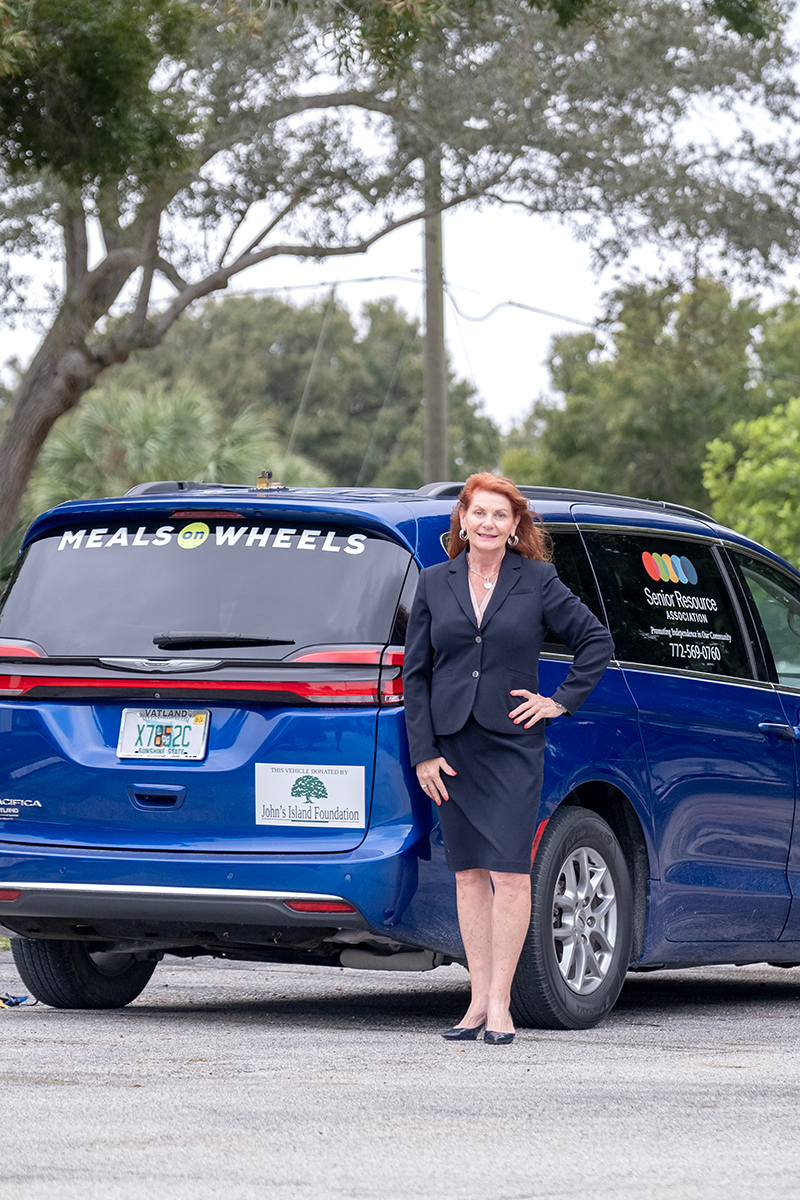
Indian River County Health Department employees told Hospital District trustees last week that the local Meals on Wheels program is essential to public health and warrants full funding – even though the Health Department itself contributes zero dollars toward the meal delivery program for seniors.
As part of its effort to slow the growth of its budget and bring spending more closely in line with the legislative act that created the Hospital District more than 60 years ago, district trustees have put Meals on Wheels and some other programs it funds on a sunset path, cutting Meals on Wheels funding by 25 percent this year.
The founding legislation says district funding should go to support healthcare services delivered by licensed healthcare practitioners to benefit indigent and low-income county residents. Local organizations that have been receiving grants from the Hospital District but that don’t meet these strict criteria are still being funded this year at a reduced level. District funding is slated to be phased out gradually, giving nonprofits time to find other grants or ramp-up private fundraising.
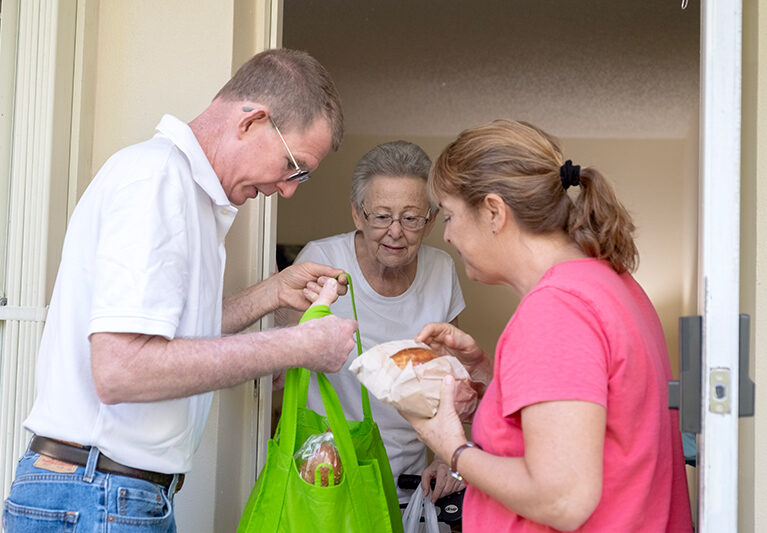
Health Department director Miranda Swanson – who is not a physician or nurse but holds a master’s degree in public health – argued in her presentation that nutrition equates to health for seniors, and that five-day a week social interaction with Meals on Wheels delivery drivers boosts clients’ mental health by providing much-needed human connection.
“Many seniors already suffer from chronic disease, and it is essential to have good, nutritious food to eat so things don’t get worse,” Swanson told the Hospital District board, noting that proper nutrition works in conjunction with medications and medical treatments, and that Meals on Wheels helps seniors manage limited financial resources so they can afford their medications.
“Food access and food insecurity are a major concern for our residents and have cascading effects, especially for those with chronic disease,” Swanson said.
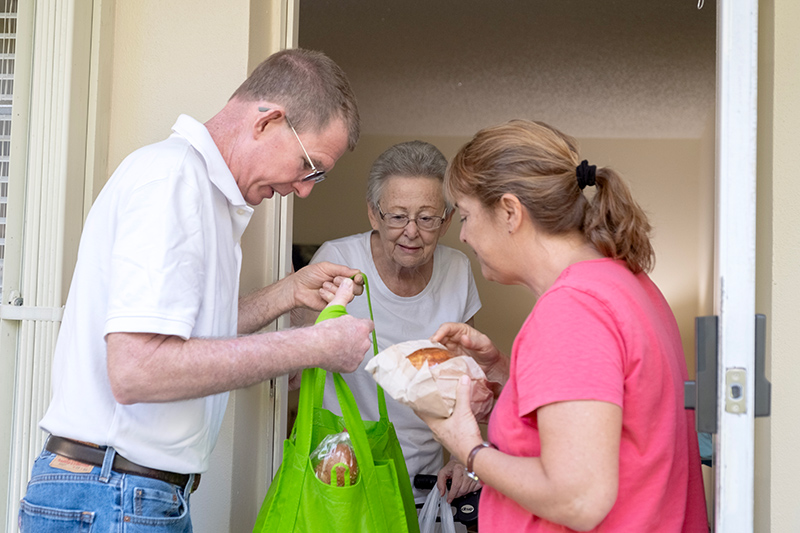
Swanson and a colleague cited survey results that show many Meals on Wheels recipients rely on the delivered meals, which are provided five days a week, along with frozen meals for weekends, as their primary or only food source. They also cited statistics showing high suicide rates among the county’s senior citizens, tying those tragic deaths to the isolation faced by old people who live alone.
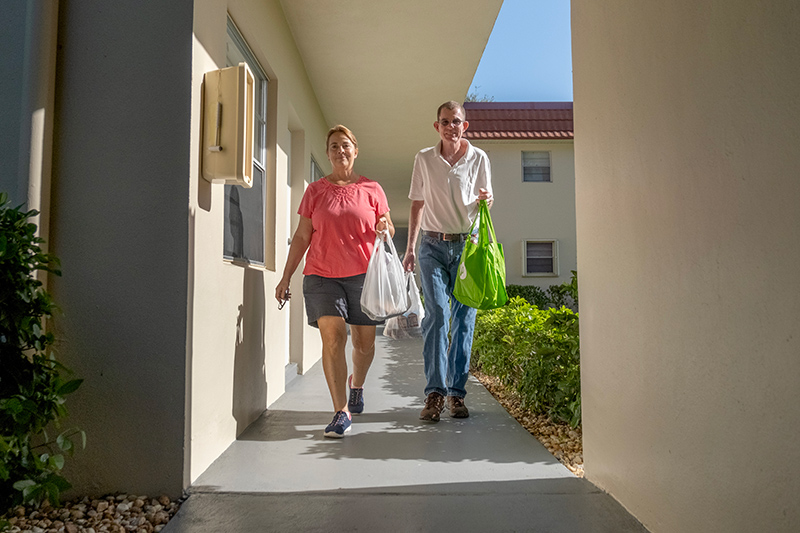
The Hospital District and Health Department both see Meals on Wheels as an important and much-needed service. The problem is that even though a licensed dietician oversees planning the meals, they are delivered by unlicensed volunteers, and no direct healthcare services are provided to senior citizens who receive the meals.
Because of that, trustees cut the district’s allocation to Senior Resource Association, which runs Meals on Wheels, from $1 million to $756,000 for the current year. That number is slated to drop another quarter of million dollars to $500,000 for the 2026-27 budget year.
Despite her passionate insistence on the importance of Meals on Wheels to public health, Swanson admitted when asked that the Health Department itself does not provide any funding for the program.
The Health Department does run a food bank in Wabasso and funds a nutrition program for women, infants and children, so budgeting money to help feed seniors could be a simple and appropriate way for it to help fill the gap left by reduced district funding.
It is also possible the program could be successfully tweaked. Grant recipients losing funding are given the opportunity to bring their programs into compliance with the Hospital District’s healthcare mission. So, if Senior Resource could find a way to incorporate a medical service into its Meals on Wheels program, trustees might reconsider the funding cuts.
Providing limited medical training for volunteers, equipping clients with first aid kits, and/or offering free, monthly or twice-monthly health and mental wellness checks by licensed practitioners could empower Senior Resource to replead its case.
The district also encourages partnerships between funded agencies to accomplish goals, so another option would be for Meals on Wheels to link up with the Visiting Nurse Association or another local agency to incorporate healthcare into its services.
The Hospital District’s budget jumped from about $15 million in 2019 to nearly $24 million for the 2025-26 fiscal year, even as Cleveland Clinic Foundation picked up more than $7 million in indigent care costs previously funded through Hospital District taxes.
Reducing funding for non-compliant programs is part of an effort to stem recent property tax increases that were imposed by the Hospital District to expand its budget and provide funds for a wide range of health and health-related services to the county’s growing population.
Photos by Joshua Kodis